
As remote and hybrid work continue to reshape how companies operate, managing employee laptops has become significantly more complex than simply purchasing hardware and shipping it to employees.
Modern organizations now manage devices across:
- Multiple countries
- Remote onboarding workflows
- Different compliance environments
- Distributed vendors
- Cross-border shipping requirements
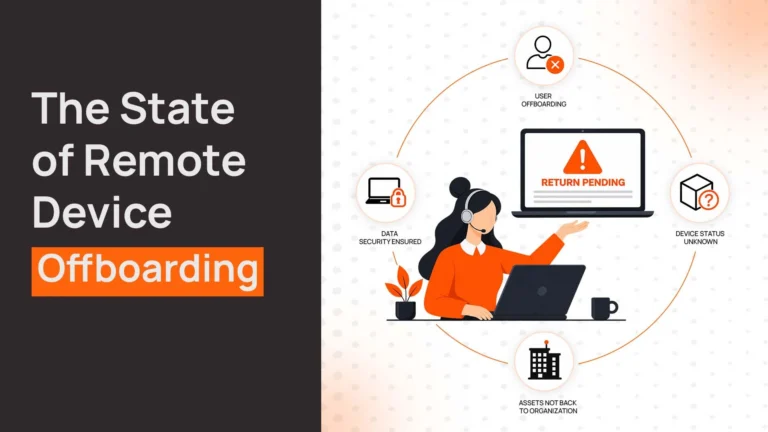
- Employee exits and retrieval operations
What used to be a simple procurement process has evolved into a full operational lifecycle challenge.
This is one of the main reasons companies begin searching for Esevel alternatives.
Esevel has emerged as a recognizable platform for device procurement and onboarding operations across APAC regions. Many distributed companies use it to simplify laptop delivery and employee setup for remote teams, particularly in Southeast Asia.
For early-stage and mid-sized distributed organizations, Esevel often solves an important operational problem:
“How do we reliably provision laptops to remote employees without managing dozens of local vendors ourselves?”
But as organizations scale globally, operational expectations change.
Teams eventually need:
- Better global procurement coverage
- More structured lifecycle visibility
- Stronger retrieval workflows
- Better redeployment systems
- More automation between HR, IT, and operations
- Greater cost efficiency at scale
At that point, companies begin evaluating alternatives to Esevel—not necessarily because the platform is ineffective, but because their operational maturity has evolved beyond onboarding-focused workflows.
This guide takes a deeper, lifecycle-focused approach to evaluating the best Esevel alternatives in 2026.
Instead of comparing superficial feature lists, we analyzed:
- Public G2 and Capterra reviews
- Reddit and IT community discussions
- Product documentation
- Operational workflows
- Global coverage capabilities
- Lifecycle depth
- Procurement and retrieval infrastructure
The goal is to help teams understand:
- Which platforms are strongest for onboarding
- Which tools scale best globally
- Which vendors solve retrieval and recovery well
- And which platforms truly support the full laptop lifecycle across distributed teams
Because the biggest operational difference between these tools is not whether they can ship laptops.
It is whether they can manage what happens after the laptop is shipped.
Related Read:
- Laptop Asset Management Software
- Best Laptop as a Service (LaaS) Providers
- Best Laptop Return Services for Remote Teams
- Laptop Inventory Management Software
What Is Esevel? (And What It Actually Does Well)
Esevel is a laptop operations platform focused primarily on device procurement, deployment, and onboarding workflows for distributed teams across APAC regions.
The platform is commonly used by:
- Remote-first startups
- Mid-market distributed companies
- Fast-growing organizations hiring across Southeast Asia
Esevel helps companies centralize:
- Laptop procurement
- Device assignment
- Employee onboarding logistics
- Basic asset visibility
- Delivery coordination
Instead of relying on fragmented local vendors, manual approvals, and spreadsheet-based workflows, teams can standardize onboarding operations through one centralized system.
Read Also: Leasing Laptops for Business: Best Practices & Benefits
What Esevel Does Well
Strong APAC operational infrastructure
Esevel’s biggest operational strength is its regional execution model.
For companies hiring across:
- Singapore
- Indonesia
- Malaysia
- Thailand
- Vietnam
- Philippines
Procurement can quickly become fragmented due to:
- Different local vendors
- Currency variations
- Import duties
- Delivery inconsistencies
- Regional logistics complexity
Esevel helps reduce this fragmentation by centralizing procurement coordination.
This significantly reduces manual operational overhead for companies without local IT teams in each region.
Better onboarding coordination
Esevel improves onboarding operations by creating more structured laptop provisioning workflows.
Instead of:
- HR manually informing IT
- IT manually ordering devices
- Procurement coordinating vendors separately
- Employees waiting days or weeks for setup
The platform creates more predictable onboarding workflows tied to employee provisioning. This matters because onboarding delays impact:
- Employee productivity
- First impressions
- IT coordination workload
- Internal support tickets
Operational onboarding is now directly tied to employee experience.
Centralized visibility for distributed teams
One of the biggest operational problems in distributed organizations is fragmented visibility. Many companies still manage laptops through:
- Google Sheets
- Airtable
- Slack messages
- Procurement emails
- Shared spreadsheets
As headcount grows, these systems become difficult to maintain accurately.
Esevel improves operational visibility by centralizing:
- Device ownership
- Delivery tracking
- Assignment records
- Procurement status
This gives operations teams significantly more control compared to manual systems.
Why Teams Look for Esevel Alternatives
Most companies searching for alternatives are not replacing Esevel because onboarding itself is broken. They are evolving from onboarding workflows into lifecycle operations.
1. Regional limitations outside APAC
Esevel performs strongly in APAC-focused operations.
However, organizations hiring globally often encounter operational fragmentation when expanding into:
- North America
- Europe
- LATAM
- Middle East
Instead of one operational system, teams often end up managing:
- Multiple procurement vendors
- Different retrieval providers
- Region-specific workflows
- Inconsistent operational processes
This creates significant operational complexity over time.
2. Lifecycle gaps beyond deployment
Procurement and onboarding are only one stage of laptop operations. As organizations mature operationally, they also need:
- Device retrieval workflows
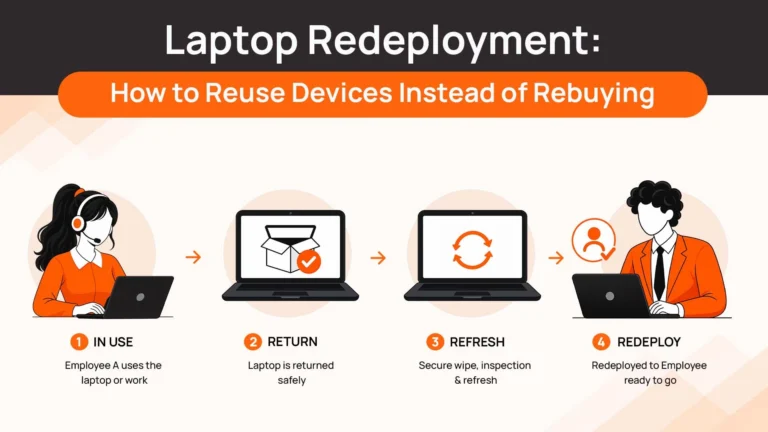
- Redeployment systems
- Secure storage operations
- Reuse optimization
- End-of-life coordination
Many onboarding-focused systems are less mature in these areas. This is one of the biggest reasons companies begin evaluating lifecycle-first platforms instead.
3. Vendor fragmentation creates operational overhead
Many distributed companies eventually end up managing:
- Procurement with one vendor
- Retrieval with another
- Storage internally
- Redeployment manually
This creates:
- Visibility gaps
- Process inconsistencies
- Higher operational overhead
- Reduced asset efficiency
At scale, fragmented systems become expensive to coordinate.
4. Scaling distributed operations becomes harder
Operational systems that work at:
- 50 employees
- 100 laptops
Often become inefficient at:
- 1,000+ employees
- Multi-country hiring
- Enterprise-scale onboarding
As companies scale, they prioritize:
- Automation
- Lifecycle visibility
- Standardization
- Operational consistency
Over isolated onboarding workflows.
5. Rising total lifecycle costs
Many organizations focus heavily on procurement pricing initially. But lifecycle inefficiencies eventually create much larger costs:
- Unreturned laptops
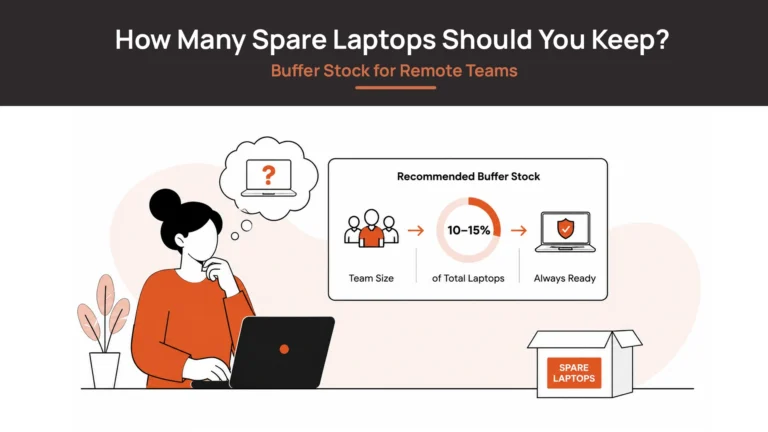
- Duplicate purchases
- Idle inventory
- Poor retrieval rates
- Low redeployment efficiency
Lifecycle visibility becomes critical because procurement cost is only one part of total operational spend.
How We Evaluated Esevel Alternatives
To ensure this guide remained useful operationally and not just commercially, we evaluated each platform across the same structured framework.
| Evaluation Criteria | Why It Matters |
| Global Coverage | Distributed hiring requires operational consistency |
| Procurement Infrastructure | Determines onboarding speed and regional execution |
| Retrieval Capabilities | Critical for remote offboarding |
| Lifecycle Visibility | Prevents asset loss and duplicate purchases |
| HRIS Automation | Reduces manual coordination |
| Storage & Redeployment | Improves asset utilization |
| Pricing Transparency | Important for long-term scalability |
| Compliance & Security | Supports enterprise governance |
| Public Review Signals | Validates operational claims |
11 Best Esevel Alternatives in 2026
| Platform | G2 Rating* | Countries | Procurement | HRIS Trigger | Pricing Model | Best For |
| Esevel | 4.6/5 | APAC-focused | ✓ | ✓ | Subscription | APAC onboarding |
| RemoAsset | 4.7/5 | 80+ | ✓ | ✓ Native | Pay-as-you-go / Annual | Full lifecycle operations |
| Workwize | 4.4/5 | 100+ | ✓ | ✓ Native | Per employee | Mid-market distributed teams |
| GroWrk | 4.2/5 | 150+ | ✓ | ✓ Native | Platform + device | Enterprise global operations |
| Firstbase | 4.8/5 | 150+ | ✓ | ✓ Native | Custom pricing | Compliance-heavy organizations |
| Allwhere | 4.6/5 | ~27 | ✓ | Via HRIS | Per-device | Regional onboarding |
| Hofy | NA | 100+ | ✓ | ✓ Native | Subscription | Employee experience-focused onboarding |
| Reready | 5/5 | 40–60+ | ✓ | ✓ Native | Custom | LATAM + US operations |
| Unduit | 4.8/5 | Global | ✗ | ✗ | Per-device | ITAD and disposal |
| Retriever | NA | US/UK | ✗ | Via Zapier | Per return | Retrieval-only operations |
| ZenAdmin | 4.8/5 | Global | ✓ | ✓ | Subscription | IT operations teams |
*Ratings should always be verified before publishing.
1. RemoAsset
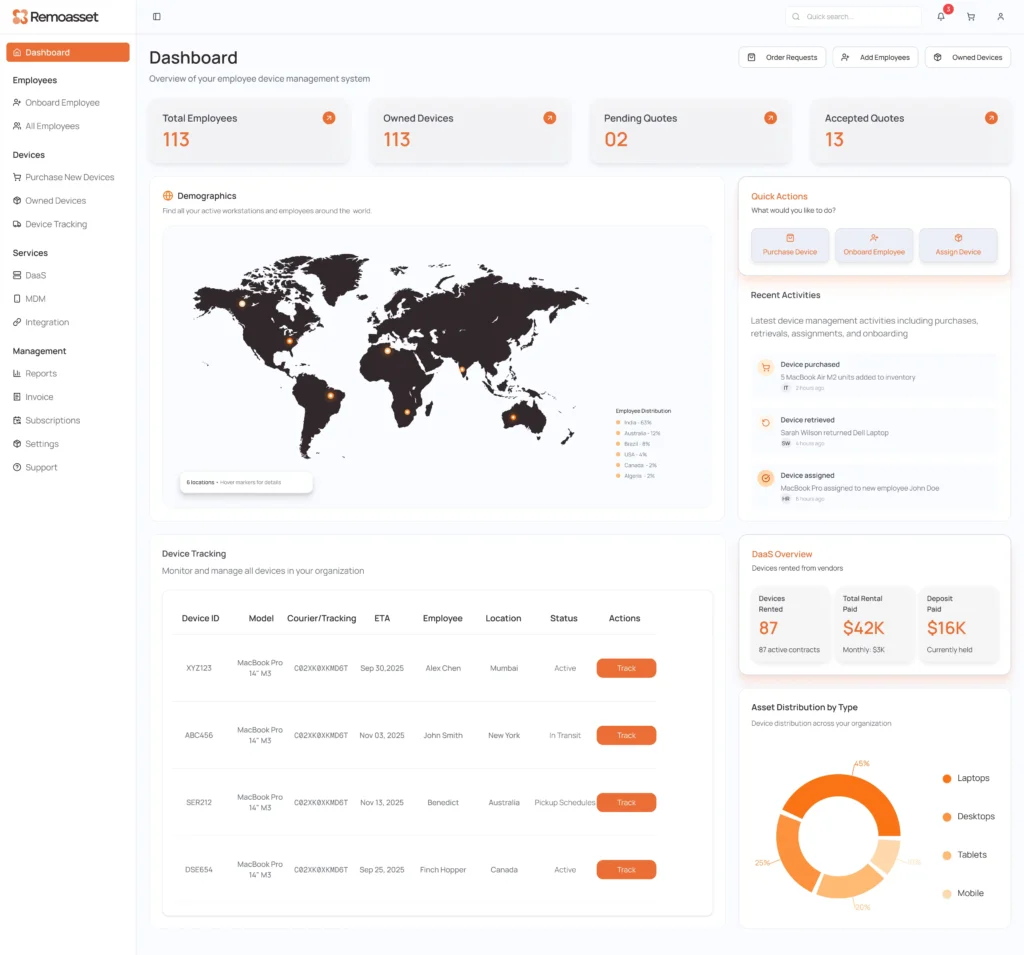
RemoAsset is a global laptop lifecycle platform designed for distributed teams managing procurement, onboarding, tracking, retrieval, storage, and redeployment across multiple countries.
Unlike onboarding-focused platforms that primarily solve procurement and delivery, RemoAsset is built around the full operational lifecycle of employee devices.
This operational distinction matters significantly for companies scaling globally because procurement is only one stage of device operations.
RemoAsset combines:
- Procurement infrastructure
- Global delivery
- HR-triggered provisioning
- Real-time lifecycle visibility
- Retrieval workflows
- Storage operations
- Redeployment systems
Into one operational platform. Instead of stitching together multiple vendors for onboarding, retrieval, and storage, teams can manage the entire laptop lifecycle through a centralized system.
Key Features
Global procurement infrastructure
RemoAsset supports laptop procurement across 80+ countries with centralized operational visibility. This helps organizations avoid fragmented regional vendor management.
HRIS-triggered onboarding workflows
Employee lifecycle events automatically trigger provisioning workflows tied to onboarding, role changes, or exits. This significantly reduces manual coordination between HR and IT teams.
Zero-touch deployment support
Devices can arrive pre-configured and ready to use on Day 1. This improves onboarding speed and employee experience significantly.
Retrieval and recovery workflows
One of RemoAsset’s strongest operational differentiators is retrieval infrastructure.
The platform supports:
- Return coordination
- Pickup scheduling
- Recovery tracking
- Secure wipe workflows
- Redeployment readiness
This becomes extremely important at scale.
Storage and redeployment operations
Returned laptops can be stored, tracked, reassigned, and redeployed instead of sitting idle or being repurchased unnecessarily. This improves long-term hardware utilization significantly.
Pros
- Strong lifecycle visibility across procurement, deployment, retrieval, and reuse
- Built specifically for distributed and global operations
- Reduces operational fragmentation
- Strong retrieval and redeployment infrastructure
- Better long-term lifecycle efficiency
Cons
- Best suited for teams managing distributed operations at scale
- More operationally comprehensive than lightweight onboarding tools
Pricing
Custom lifecycle-based pricing depending on procurement volume, countries, and operational workflows.
Best For
Organizations needing:
- Full laptop lifecycle management
- Global onboarding operations
- Retrieval and reuse workflows
- Multi-country procurement visibility
- Scalable lifecycle infrastructure
2. Workwize
Workwize is a structured IT operations platform focused on procurement, onboarding, and employee laptop management for distributed organizations.
The platform is commonly used by:
- Mid-market remote teams
- European distributed companies
- Fast-scaling organizations standardizing onboarding
Workwize emphasizes operational consistency and process standardization across onboarding workflows.
Key Features
- Device procurement workflows
- Asset visibility dashboards
- Employee onboarding coordination
- Offboarding workflows
- Vendor management support
Pros
- Structured operational workflows
- Strong onboarding coordination
- Good European operational presence
Cons
- Retrieval and redeployment capabilities less mature than lifecycle-first platforms
- Can become process-heavy operationally at scale
Pricing
Typically employee-based pricing.
Best For
Mid-market distributed teams prioritizing onboarding standardization.
Related Read: Best Workwize Alternatives & Competitors
3. GroWrk
GroWrk is one of the better-known global laptop operations providers focused heavily on distributed workforce enablement.
The platform combines:
- Procurement
- Global shipping
- Retrieval operations
- ITAD support
For enterprise-scale distributed teams.
Key Features
- Procurement in 150+ countries
- Global shipping infrastructure
- Device recovery operations
- Lifecycle support workflows
- IT asset disposition coordination
Pros
- Very strong global reach
- Mature logistics infrastructure
- Good retrieval operations
Cons
- Enterprise pricing structure
- Can be operationally complex for smaller teams
Pricing
Platform fee + lifecycle services.
Best For
Enterprise organizations operating globally.
Read Also: Best Growrk Alternatives & Competitors
4. Firstbase
Firstbase focuses heavily on employee onboarding and equipment provisioning. The platform is commonly used by fast-growing startups managing remote onboarding operations.
Key Features
- Employee onboarding workflows
- Laptop provisioning
- Global shipping support
- Compliance-focused workflows
Pros
- Strong onboarding experience
- Good workflow automation
- Employee-focused operational design
Cons
- More onboarding-centric than lifecycle-centric
- Retrieval and reuse capabilities less extensive
Best For
Remote-first startups prioritizing onboarding efficiency.
5. Allwhere
Allwhere provides procurement and onboarding infrastructure for distributed organizations. The platform focuses heavily on employee provisioning and regional delivery coordination.
Key Features
- Laptop procurement
- Global delivery support
- Device assignment workflows
- Operational visibility dashboards
Pros
- Simple onboarding workflows
- Strong employee provisioning focus
Cons
- More limited lifecycle depth
- Regional operational limitations compared to larger providers
Best For
Teams prioritizing onboarding operations.
Related Read: Best Allwhere Alternatives
6. Hofy
Hofy focuses heavily on employee equipment provisioning and onboarding experience for distributed teams. The platform emphasizes employee convenience and operational simplicity.
Key Features
- Employee equipment provisioning
- Remote onboarding workflows
- Vendor coordination
- Global procurement support
Pros
- Strong employee experience
- Simplified onboarding coordination
Cons
- Less mature lifecycle visibility
- More onboarding-centric operationally
Best For
People Ops-focused onboarding teams.
Final Thoughts
Most companies initially evaluate onboarding platforms based on procurement speed and delivery convenience.
But operational maturity changes the evaluation criteria significantly.
As distributed organizations scale, the bigger challenge becomes:
- Retrieval
- Redeployment
- Reuse
- Lifecycle visibility
- Operational consistency
That is why more companies are moving away from fragmented onboarding tools toward lifecycle-driven operational systems.
For teams managing:
- Global hiring
- Distributed onboarding
- Multi-country laptop operations
- Remote offboarding
- Retrieval complexity
Lifecycle completeness matters far more than onboarding alone.
Platforms like RemoAsset increasingly stand out because they connect:
- Procurement
- Delivery
- Tracking
- Retrieval
- Storage
- Redeployment
Inside one operational system rather than fragmented workflows.
That operational continuity becomes significantly more valuable as distributed operations scale globally.