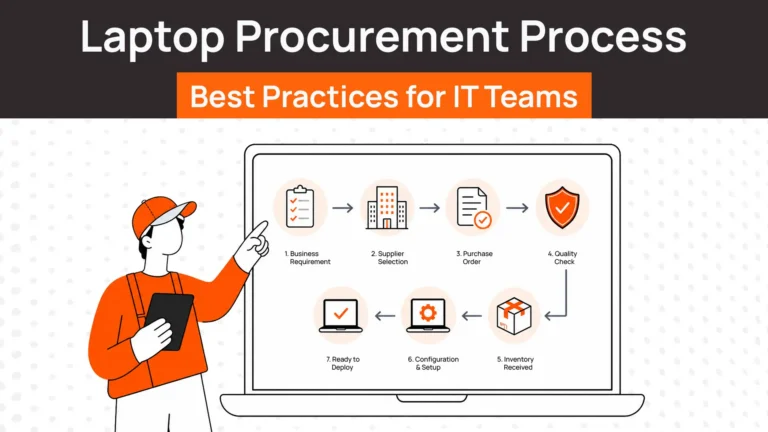
Device procurement is no longer just about purchasing laptops at the lowest possible cost. For modern companies, especially those operating across remote and global teams, procurement directly impacts employee productivity, onboarding speed, IT efficiency, and overall operational scalability.
The challenge is that most organizations are still operating with outdated procurement models.
Many teams rely on ad-hoc vendor relationships, region-specific sourcing, and manual approval workflows. This leads to delayed onboarding, inconsistent device quality, poor cost visibility, and fragmented inventory management. In distributed environments, these inefficiencies multiply quickly.
According to industry estimates, 10–30% of IT assets become “ghost assets” due to poor visibility and fragmented procurement systems, leading to both financial loss and security risks.
This guide is built on real-world IT operations practices, procurement frameworks, and patterns observed across companies scaling distributed teams globally.
We’ll break down the most important device procurement best practices from vendor standardization and automation to global logistics and lifecycle planning so you can build a procurement system that is scalable, efficient, and future-ready.
What is Device Procurement? (And Why It’s More Complex Today)
Device/laptop procurement refers to the process of sourcing, purchasing, and delivering hardware devices such as laptops, peripherals, and accessories required by employees to perform their work.
Traditionally, procurement was a centralized function handled by IT or procurement teams within a single office location. Devices were bulk-purchased, stored locally, and distributed physically to employees.
Today, that model no longer works.
Modern procurement involves:
- Multi-country sourcing and vendor coordination
- Employee-specific device allocation
- Direct-to-home delivery across regions
- Coordination between IT, HR, procurement, and finance
This makes procurement a cross-functional responsibility, involving:
- IT teams (device selection, security standards)
- Procurement teams (vendor sourcing and negotiation)
- HR teams (onboarding timelines)
- Finance teams (budgeting and cost control)
The most important shift is this:
👉 Device procurement is no longer a one-time activity. It is part of a continuous lifecycle that includes deployment, tracking, recovery, and reuse.
Why Device Procurement is Challenging for Modern Teams
Device procurement complexity today is not caused by poor execution. It is driven by structural changes in how companies operate.
Global Logistics Complexity
When employees are spread across multiple countries, procurement becomes significantly harder. Teams must deal with:
- Import duties and taxes
- Local vendor availability
- Currency fluctuations
- Shipping delays and customs clearance
A laptop that takes 2 days to deliver locally may take 10–15 days internationally.
Lack of Standardization
Many organizations allow teams to choose devices freely. While flexible, this creates:
- Multiple configurations across teams
- Higher IT support complexity
- Difficulty managing security policies
- Increased repair and replacement costs
Manual Procurement Workflows
Procurement processes often rely on:
- Email approvals
- Spreadsheets
- Manual vendor coordination
These workflows do not scale and introduce delays at every step.
Poor Visibility into Inventory and Spend
Without a centralized system, teams struggle to answer basic questions:
- How many devices do we own?
- Where are they located?
- Who is using them?
This leads to over-purchasing and underutilization.
Onboarding Delays
One of the most common issues is devices not reaching employees before Day 1.
This directly impacts:
- Productivity
- Employee experience
- Employer brand perception
👉 The key insight:
These are not isolated issues. They are system-level problems that require a structured procurement approach.
10 Device Procurement Best Practices for Scalable Operations
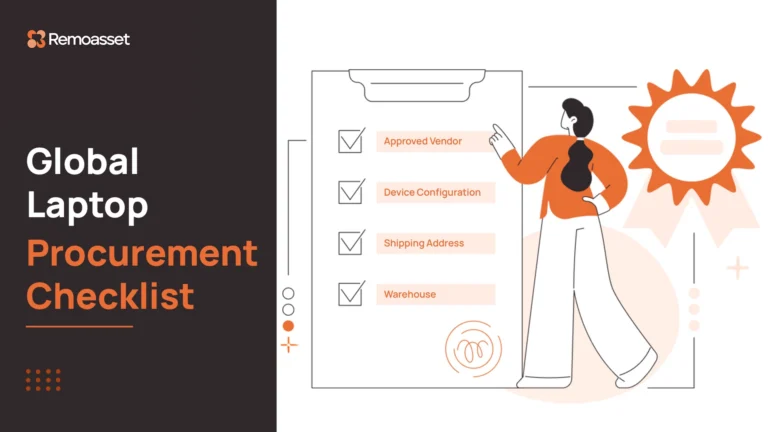
1. Standardize Device Configurations
Standardization is the foundation of scalable procurement.
Instead of allowing unlimited device choices, organizations should define approved configurations based on roles such as engineering, design, sales, and support.
This reduces:
- IT support complexity
- Security risks
- Procurement variability
Example:
Instead of 20 different laptop models, define 3–5 standard configurations.
2. Centralize Vendor Management
Working with multiple vendors across regions creates inconsistency and operational overhead.
A centralized vendor strategy ensures:
- Better pricing through volume negotiation
- Consistent device quality
- Simplified procurement workflows
Teams should maintain a pre-approved vendor network instead of sourcing reactively.
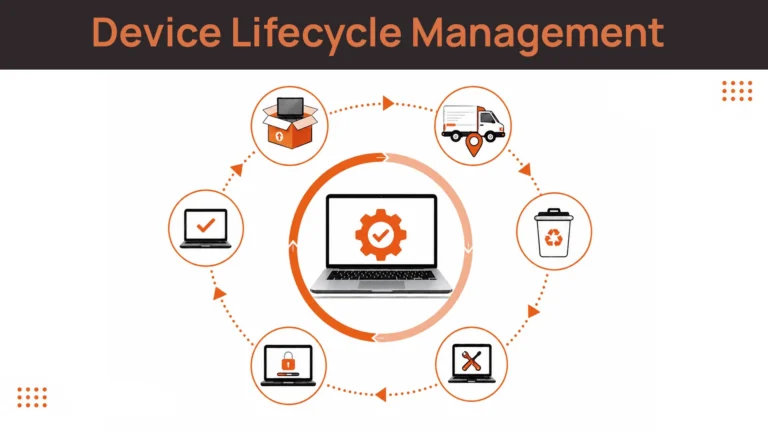
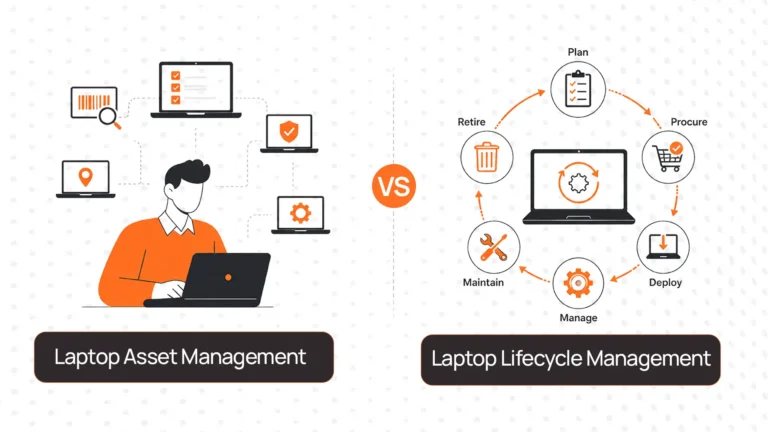
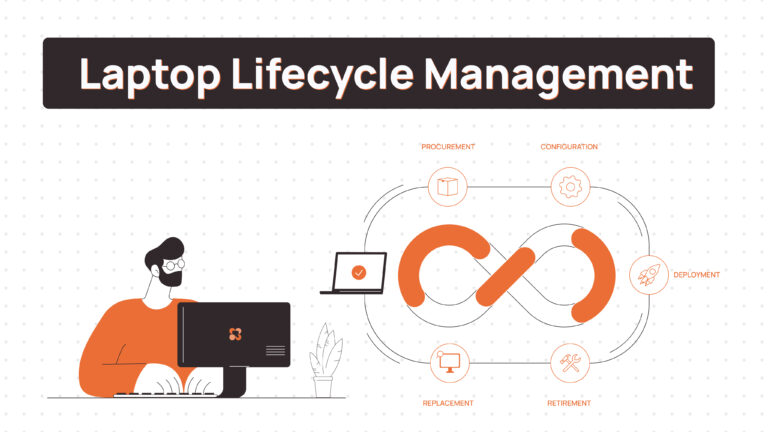
3. Plan Procurement as Part of the Full Lifecycle
Procurement should not be treated as an isolated activity.
Every device should be planned with its entire lifecycle in mind:
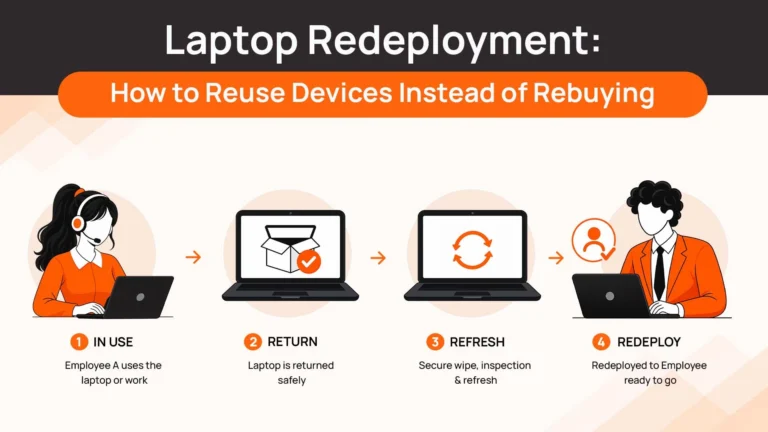
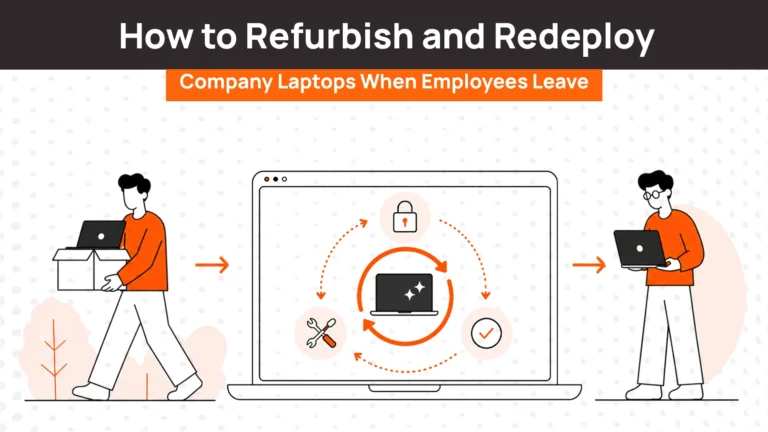
- Procurement → Delivery → Usage → Recovery → Reuse
This approach ensures:
- Better asset utilization
- Lower long-term costs
- Reduced device loss
👉 This is where lifecycle-driven platforms like RemoAsset become relevant connecting procurement with recovery and reuse instead of treating them separately.
4. Automate Procurement Workflows
Manual procurement processes slow down operations.
Modern teams automate:
- Approval workflows
- Vendor selection
- Order placement
Automation ensures:
- Faster execution
- Reduced human error
- Scalability across teams
For example, when a new hire is added, the system can automatically trigger device procurement.
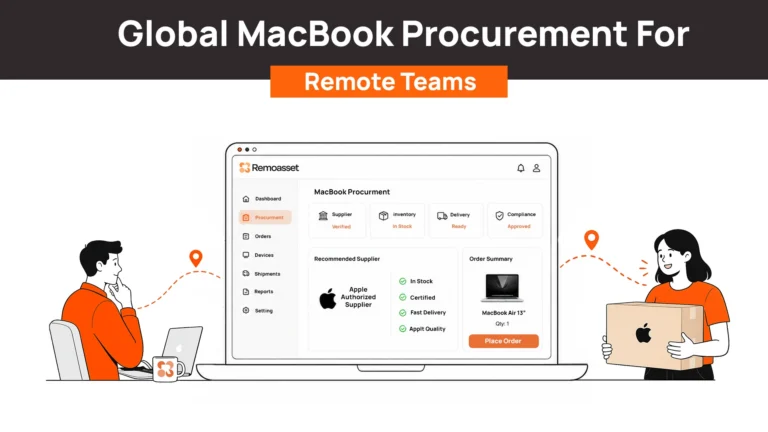
5. Enable Global Procurement Capabilities
Distributed teams require location-independent procurement.
Instead of shipping devices internationally, leading companies:
- Source devices locally within the employee’s country
- Use regional vendor networks
- Optimize delivery timelines
This reduces:
- Shipping delays
- Import costs
- Warranty complications
👉 Platforms like RemoAsset support global procurement by enabling local sourcing + global delivery orchestration, reducing complexity significantly.
6. Align Procurement with Onboarding Timelines
Procurement must be tightly aligned with hiring workflows.
Devices should arrive:
- Before Day 1
- Fully configured and ready to use
This requires coordination between:
- HR (hiring timeline)
- IT (device preparation)
- Procurement (ordering and delivery)
Failure here leads to lost productivity and poor employee experience.
7. Track Devices from Day One
Tracking should begin at procurement, not after deployment.
Each device must be:
- Tagged
- Assigned
- Monitored from the moment it is ordered
This ensures:
- Full lifecycle visibility
- Reduced asset loss
- Better compliance tracking
8. Optimize for Cost, Not Just Price
The cheapest device is not always the most cost-effective.
Organizations should evaluate:
- Total cost of ownership (TCO)
- Maintenance and repair costs
- Lifecycle duration
A slightly expensive device with longer usability may reduce overall spend.
9. Build a Reuse & Redeployment Strategy
Many companies ignore what happens after a device is returned.
Instead of discarding devices:
- Refurbish and reuse them
- Store them centrally
- Redeploy for new hires
This significantly reduces procurement costs over time.
👉 RemoAsset enables structured device storage, reuse, and redeployment workflows, helping teams extend asset value instead of repurchasing.
10. Ensure Security & Compliance from Procurement Stage
Security should not start after deployment.
Devices must be:
- Pre-configured with security policies
- Enrolled in management systems
- Ready for compliance from first login
This ensures:
- Reduced risk exposure
- Faster onboarding
- Consistent policy enforcement
What to Look for in a Device Procurement Solution
Not all procurement solutions are built equally. Some only handle ordering, while others support the full lifecycle.
Global Vendor Network
The solution should support sourcing devices across multiple countries without requiring manual coordination.
Automation Capabilities
Look for:
- HRIS integrations
- Workflow automation
- Approval systems
Lifecycle Visibility
You should be able to track:
- Procurement status
- Delivery status
- Usage and ownership
- Recovery and reuse
Storage and Redeployment
Returned devices should be:
- Stored securely
- Prepared for reuse
- Reassigned efficiently
Pricing Transparency
Hidden costs such as shipping, customs, and storage can significantly increase spend.
How Modern Teams Are Rethinking Device Procurement
Device procurement is undergoing a major shift.
The Shift
Earlier:
- Reactive purchasing
- Manual workflows
- Limited visibility
Now:
- Automated procurement systems
- Integrated lifecycle workflows
- Data-driven decision making
Key Trends Driving This Shift
- Procurement integrated with lifecycle platforms
- Automation replacing manual coordination
- Increased focus on asset reuse and optimization
Device Procurement Maturity Model
Most organizations evolve through four stages:
Stage 1: Ad-hoc Procurement
Manual purchasing, no standardization
Stage 2: Standardized Procurement
Approved vendors and configurations
Stage 3: Automated Procurement
Workflow automation and integrations
Stage 4: Lifecycle-Managed System
Procurement connected to delivery, tracking, retrieval, and reuse
👉 The final stage represents the most scalable model where procurement is fully integrated into device lifecycle operations.
How to Build a Scalable Device Procurement System
Most procurement setups work well in the early stages of a company. But as teams grow and become distributed, these systems start to break.
The best practices outlined above help build a procurement system that is:
- Predictable
- Scalable
- Cost-efficient
For organizations operating globally, the real challenge is not just sourcing devices. It is connecting procurement with delivery, tracking, retrieval, and reuse in a seamless system.
This is where lifecycle-driven platforms like RemoAsset come into play. By integrating procurement with global delivery, asset tracking, and recovery workflows, teams can reduce operational overhead and manage devices more efficiently across regions.
👉 Learn how to streamline global device procurement and lifecycle operations
Book a Demo with RemoAsset
Checkout others blog by Remoasset: How to manage company laptops?