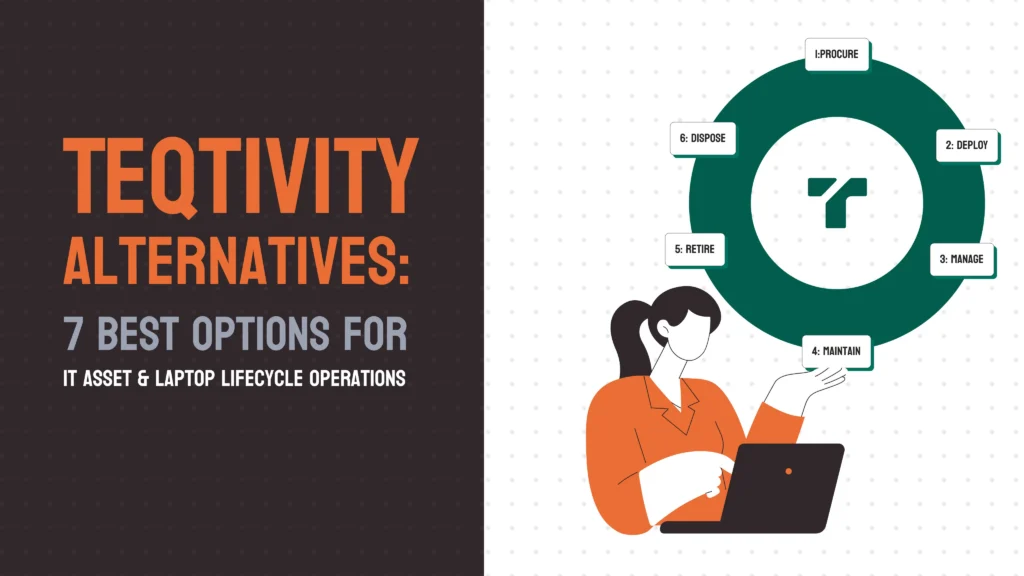
Teqtivity is one of the better-known IT asset management platforms for teams trying to move beyond spreadsheets and fragmented asset records. For many organizations, it provides a structured way to centralize hardware tracking, improve inventory visibility, and strengthen compliance workflows.
But as IT operations become more distributed, many teams eventually realize that asset tracking alone does not solve the operational challenges they are actually facing.
Knowing where a laptop is located is useful. But modern IT operations also require teams to:
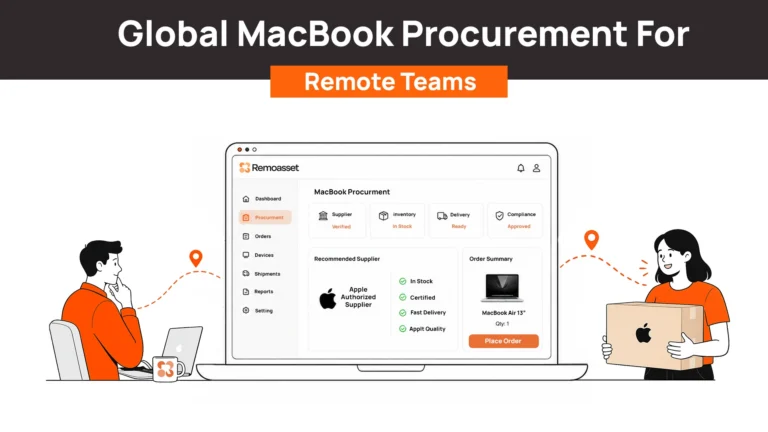
- Procure devices globally
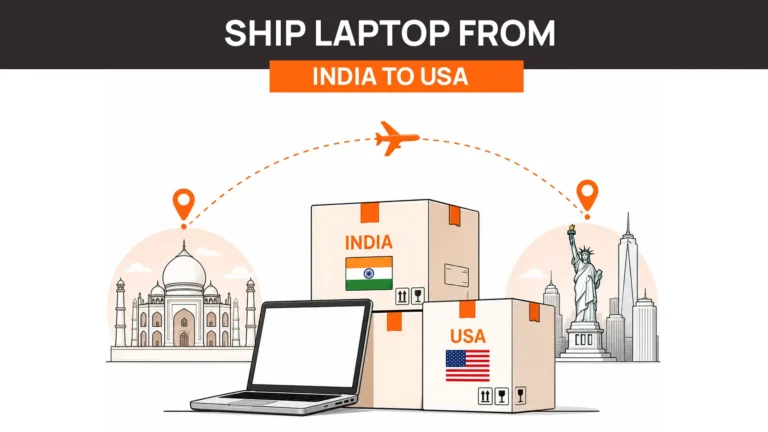
- Ship laptops directly to employees
- Coordinate onboarding logistics
- Retrieve hardware during offboarding
- Manage storage and redeployment
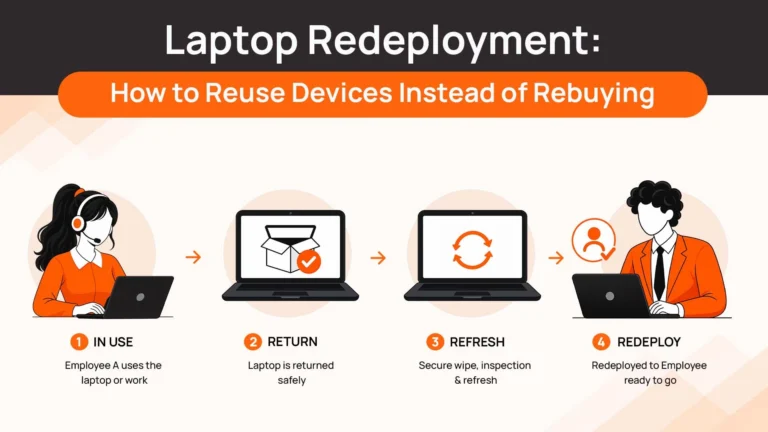
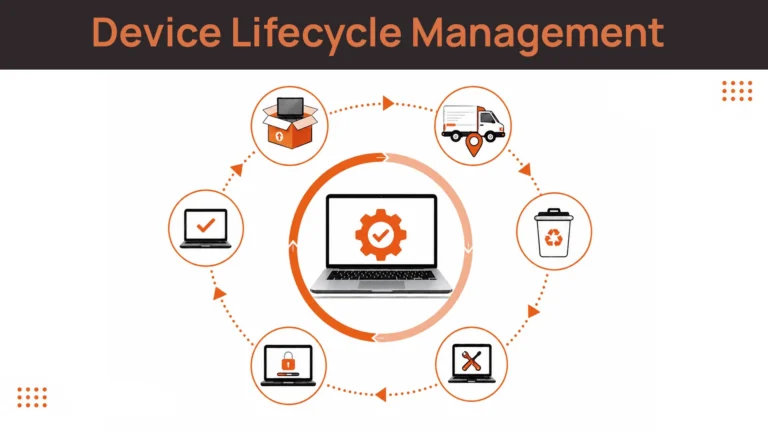
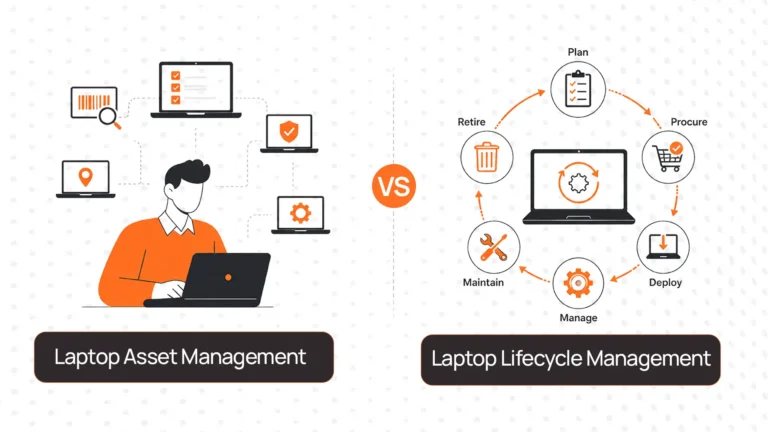
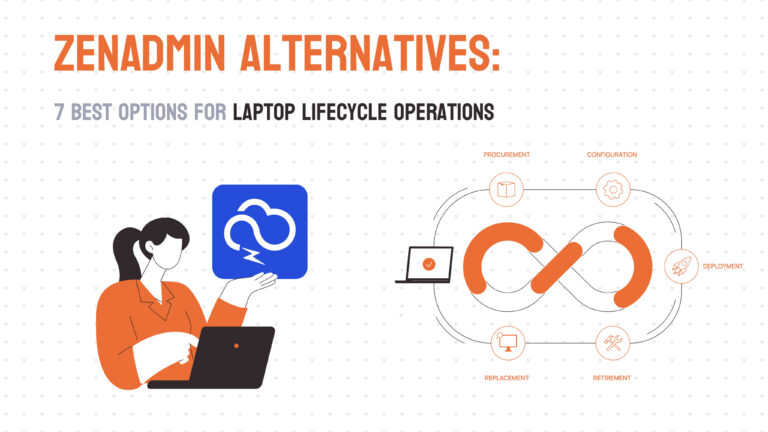
- Maintain visibility across the full laptop lifecycle
This is why many buyers start searching for Teqtivity alternatives. The shift is not necessarily about dissatisfaction with Teqtivity itself. In many cases, it reflects a broader operational evolution: teams outgrow basic asset tracking and start needing lifecycle execution.
To help buyers evaluate the market properly, we analyzed leading alternatives using:
- Product documentation
- Public pricing data
- G2 and Capterra reviews
- Reddit discussions across r/sysadmin and r/ITManagers
- Real-world operational use cases
Each platform in this guide was evaluated across two dimensions:
- How well it handles IT asset management (tracking, reporting, compliance)
- Whether it extends into full laptop lifecycle operations (procurement → deployment → retrieval → reuse)
Because different tools solve very different operational problems.
What Is Teqtivity? (and What It Actually Does Well)
Teqtivity is an IT asset management (ITAM) platform focused primarily on:
- Hardware inventory management
- Asset tracking
- Device reporting
- Compliance visibility
- IT asset audits
It is designed to help organizations centralize information about company devices and reduce the operational chaos that comes with manual spreadsheets or disconnected systems.
One reason Teqtivity is frequently evaluated by growing IT teams is that it improves foundational ITAM maturity relatively quickly.
Instead of tracking laptops through spreadsheets, emails, or scattered procurement records, teams gain:
- Centralized inventory visibility
- Assignment tracking
- Reporting dashboards
- Warranty tracking
- Asset audit support
- Device ownership history
For organizations early in their ITAM journey, this is often a meaningful operational upgrade.
What Teqtivity Does Well
Strong Asset Tracking & Reporting
Teqtivity’s core strength is visibility. The platform provides a centralized inventory system where IT teams can track:
- Assigned devices
- Ownership records
- Hardware details
- Device status
- Asset history
This becomes especially useful during:
- Internal audits
- Compliance reporting
- Device reconciliation exercises
- Procurement planning
Compared to spreadsheet-based asset tracking, the operational improvement is significant.
Cleaner Operational Visibility Than Manual Systems
Many growing companies initially manage assets using:
- Shared spreadsheets
- Procurement emails
- Manual checklists
- IT tickets
This creates fragmented operational data and weak audit reliability. Teqtivity solves this by creating a structured inventory layer where:
- Asset data becomes standardized
- Device ownership is easier to track
- Reporting becomes centralized
- Audit preparation becomes faster
This is one reason compliance-heavy organizations often evaluate the platform positively.
Useful for Compliance-Oriented IT Teams
Organizations operating under frameworks such as:
- SOC 2
- ISO 27001
- HIPAA
- Internal governance standards
Need stronger asset accountability. Teqtivity helps establish:
- Device assignment records
- Ownership history
- Inventory visibility
- Audit reporting workflows
Which improves operational readiness during audits and compliance reviews.
Where Teqtivity Starts Becoming Limiting
Teqtivity primarily focuses on asset visibility and inventory management.
The operational gap appears when companies need execution infrastructure around the lifecycle itself:
- Procurement
- Device delivery
- Employee onboarding logistics
- Retrieval coordination
- Redeployment workflows
This is the main reason many teams eventually start evaluating alternatives.
Why Teams Look for Teqtivity Alternatives
Most companies searching for alternatives are not necessarily abandoning Teqtivity because it “fails.” Instead, they are usually encountering operational requirements that extend beyond traditional ITAM.
1. Asset Tracking ≠ Laptop Lifecycle Execution
This is the biggest operational distinction buyers eventually discover. Tracking devices is not the same as managing how devices move operationally across:
- Procurement
- Delivery
- Assignment
- Retrieval
- Storage
- Redeployment
Teqtivity provides visibility into assets. But many distributed teams still need separate operational processes for:
- Global procurement
- Vendor coordination
- Laptop shipping
- Offboarding retrievals
- Storage operations
As organizations scale internationally, this operational overhead compounds quickly.
Related Read:
- Best Laptop Retrieval Services
- Laptop Asset Management Software
- Best Laptop as a Service (LaaS) Providers
- Best Laptop Return Services for Remote Teams
- Laptop Inventory Management Software
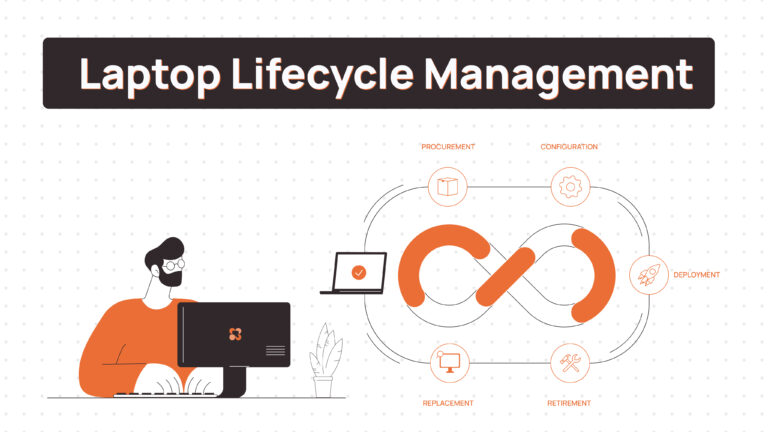
- Laptop Lifecycle Management: A Practical Guide for Modern IT Teams
2. Limited Procurement & Provisioning Workflows
Modern onboarding operations require much more than inventory visibility. Teams increasingly need systems that support:
- Device sourcing
- Regional procurement
- Pre-configured laptop delivery
- Direct-to-employee shipping
- Zero-touch deployment workflows
Teqtivity is primarily positioned as an ITAM platform rather than a procurement execution platform. As a result, many teams still coordinate onboarding logistics manually outside the system.
3. Manual Operational Coordination Still Exists
One recurring pattern in IT admin discussions and review ecosystems is that asset visibility alone does not eliminate operational coordination.
Teams may still manually manage:
- Vendor communication
- Shipping coordination
- Retrieval scheduling
- Cross-border logistics
- Employee device recovery
This becomes increasingly difficult across distributed workforces. Especially when:
- Employees operate internationally
- Teams scale quickly
- Device volumes increase
- Retrieval rates impact budgets directly
4. Global Operations Require More Than ITAM
Managing laptops across countries introduces operational challenges such as:
- Customs delays
- Regional vendor fragmentation
- International warranty limitations
- Local sourcing variability
- Country-specific compliance requirements
Traditional ITAM platforms were not originally built to operationalize these workflows. This is one reason lifecycle-focused procurement and retrieval platforms are gaining traction.
5. Modern Teams Want Automation-First Operations
Distributed teams increasingly expect onboarding and offboarding workflows to trigger automatically from:
- HRIS systems
- Identity platforms
- Employee status changes
Examples include:
- New hire created → laptop procurement triggered
- Employee termination → retrieval initiated automatically
- Role change → asset reassignment workflows updated
Many IT teams evaluating alternatives are specifically looking for stronger operational automation tied to employee lifecycle events.
How We Evaluated Teqtivity Alternatives
Every platform in this comparison was evaluated using the same operational framework.
| Evaluation Criteria | Why It Matters |
| Asset Management Depth | Core Teqtivity use case |
| Lifecycle Capabilities | Major operational gap area |
| Procurement & Provisioning | Critical for onboarding workflows |
| Automation & Integrations | Reduces manual coordination |
| Global Coverage | Essential for distributed teams |
| Public Reviews & Reputation | Real-world validation |
| Pricing Model | Impacts operational scalability |
| Retrieval & Redeployment | Important for lifecycle efficiency |
The goal was not simply to compare features. It was to understand which tools solve which operational problems best.
7 Best Teqtivity Alternatives in 2026
| Platform | G2 Rating* | Core Strength | Lifecycle Coverage | Pricing Model | Best For |
| Teqtivity | 4.5 | IT asset tracking | Limited | Subscription | Structured ITAM |
| 🔸 RemoAsset | 4.7 | Global laptop lifecycle ops | Full | Subscription | Procurement → retrieval |
| ManageEngine | 4.4 | Enterprise ITAM | Partial | Tiered | Traditional IT teams |
| Snipe-IT | NA | Open-source ITAM | None | Free/self-hosted | Technical teams |
| Asset Panda | 4.2 | Customizable tracking | Limited | Per asset | Flexible workflows |
| IT Glue | NA | Documentation + IT ops | None | Per user | MSPs |
| Freshservice | 4.6 | ITSM + ITAM | Partial | Subscription | Service-driven IT teams |
| GroWrk | 4.2 | Global laptop operations | Strong | Platform + device | Distributed organizations |
*Ratings should always be verified live before publishing.
1. RemoAsset
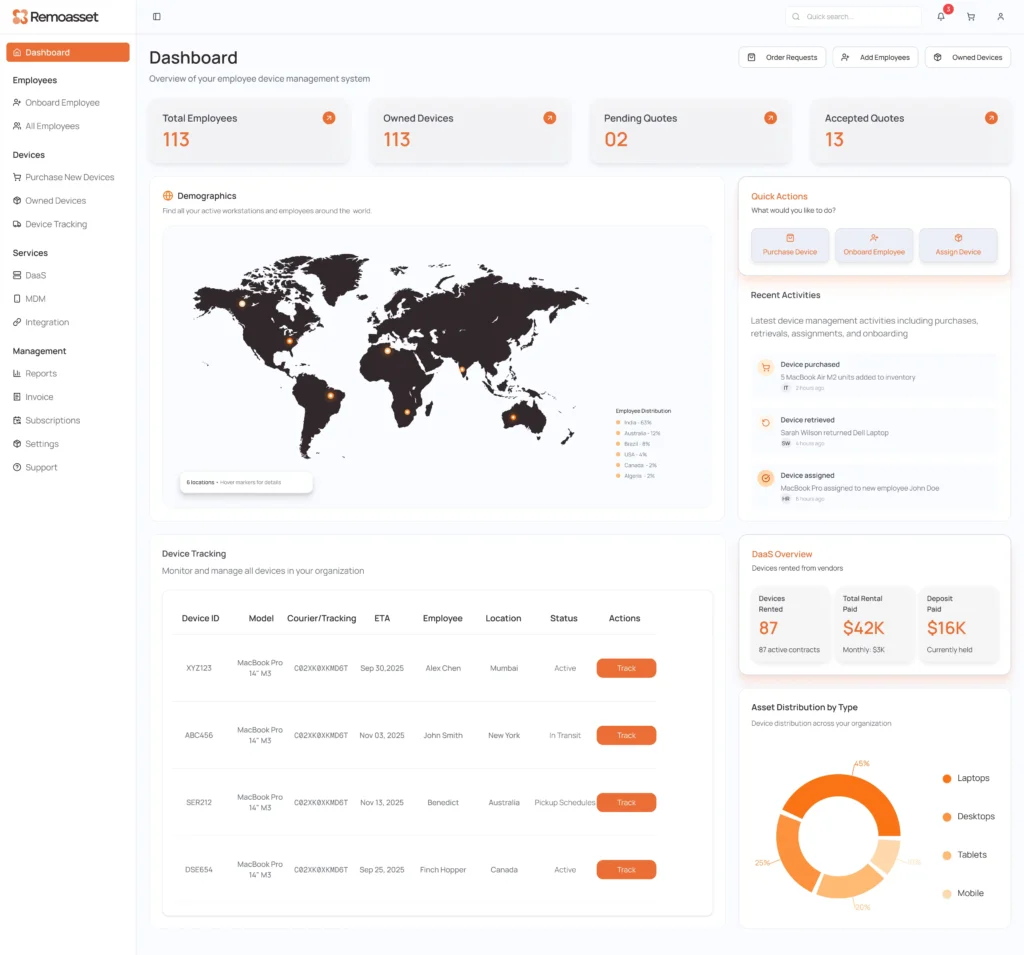
RemoAsset is designed specifically for companies managing laptops across distributed and international teams. Unlike traditional ITAM tools focused mainly on inventory visibility, RemoAsset operationalizes the full laptop lifecycle:
- Procurement
- Delivery
- Assignment
- Tracking
- Retrieval
- Storage
- Redeployment
Inside one operational workflow. This makes it fundamentally different from inventory-centric ITAM platforms.
Key Features
- Global laptop procurement support
- Device delivery across multiple regions
- HR-triggered onboarding workflows
- Automated retrieval coordination
- Centralized asset tracking
- Storage and redeployment workflows
- Lifecycle visibility across the full device journey
Pros
- Strong operational execution beyond inventory visibility
- Reduces manual coordination across vendors and logistics
- Built specifically for distributed teams
- Procurement and retrieval connected operationally
- Better suited for lifecycle management than standalone ITAM
Cons
- Less focused on deep ITSM workflows
- More operationally specialized than generic asset tools
Pricing
Subscription-based lifecycle pricing aligned to operational usage.
Best For
Companies managing distributed laptop operations globally.
2. ManageEngine
ManageEngine is one of the most established enterprise ITAM platforms in the market. Its strength lies in:
- Asset discovery
- Endpoint visibility
- Reporting
- IT governance
- ITSM integrations
It is particularly attractive for organizations already operating inside traditional enterprise IT ecosystems.
Key Features
- Asset discovery
- Inventory management
- License tracking
- Endpoint reporting
- ITSM integrations
- Compliance monitoring
Pros
- Strong traditional ITAM depth
- Mature enterprise reporting
- Good IT governance capabilities
Cons
- Less lifecycle execution depth
- Procurement and retrieval workflows remain operationally separate
- More complex implementation than modern lifecycle platforms
Pricing
Tiered pricing depending on deployment and feature modules.
Best For
Traditional enterprise IT teams needing deeper ITAM visibility.
Read Also: Best ManageEngine Alternatives & Competitors
3. Snipe-IT
Snipe-IT is a popular open-source IT asset management platform focused on inventory control and asset visibility. It is commonly used by technical teams comfortable managing self-hosted infrastructure.
Key Features
- Open-source asset tracking
- Inventory management
- Device assignment
- License tracking
- Asset audit workflows
Pros
- No licensing costs for self-hosted deployments
- Flexible customization potential
- Strong for inventory-focused teams
Cons
- Requires technical administration
- No procurement or retrieval execution layer
- Limited automation compared to modern lifecycle platforms
Pricing
Free for self-hosted usage; paid hosted versions available.
Best For
Technical IT teams prioritizing low-cost asset tracking.
4. Asset Panda
Asset Panda focuses on highly customizable asset management workflows across both IT and non-IT assets. Its flexibility is one of its strongest differentiators.
Key Features
- Custom asset workflows
- Barcode scanning
- Mobile inventory management
- Reporting dashboards
- Flexible asset categorization
Pros
- Highly configurable workflows
- Supports broader asset categories beyond laptops
- Flexible operational setup
Cons
- Lifecycle execution depth remains limited
- Global procurement and retrieval workflows are not core strengths
- Can require heavy configuration
Pricing
Typically priced per asset volume.
Best For
Organizations needing customizable inventory workflows.
5. IT Glue
IT Glue is more documentation-oriented than lifecycle-oriented. The platform is commonly used by MSPs and IT service teams for:
- Documentation management
- Operational process visibility
- Asset referencing
Rather than procurement execution.
Key Features
- IT documentation management
- Asset relationship mapping
- Password documentation
- Operational workflow visibility
Pros
- Strong documentation ecosystem
- Useful for MSP operational standardization
- Good operational knowledge management
Cons
- Not a procurement or lifecycle platform
- Minimal operational logistics functionality
- Weak retrieval execution support
Pricing
Per-user pricing structure.
Best For
Managed service providers needing centralized IT documentation.
6. Freshservice
Freshservice combines:
- IT service management
- Helpdesk workflows
- Asset management
Inside one service-oriented operational platform. It is often evaluated by organizations wanting stronger alignment between:
- IT support operations
- Asset visibility
- Ticketing workflows
Key Features
- ITSM workflows
- Asset tracking
- Ticket-linked device visibility
- Workflow automation
- Service desk integrations
Pros
- Strong IT service alignment
- Good workflow automation
- Useful for service-heavy environments
Cons
- Procurement and retrieval operations are limited
- More ITSM-focused than lifecycle-focused
- Global laptop logistics are not core functionality
Pricing
Subscription-based SaaS pricing.
Best For
IT service organizations wanting integrated helpdesk + ITAM workflows.
7. GroWrk
GroWrk focuses heavily on distributed laptop operations across global teams. The platform combines:
- Procurement
- Delivery
- Retrieval
- IT asset disposition workflows
With strong international operational coverage.
Key Features
- Global laptop procurement
- Device shipping
- Retrieval coordination
- Lifecycle tracking
- ITAD workflows
Pros
- Strong international logistics capabilities
- Good fit for distributed workforces
- Better lifecycle execution than traditional ITAM tools
Cons
- Enterprise-oriented operational structure
- Less ITSM depth than traditional enterprise platforms
Pricing
Platform-based pricing plus operational device costs.
Best For
Distributed organizations managing international laptop operations.
Read Also: Best Growrk Alternatives & Competitors
Which Teqtivity Alternative Should You Choose?
The right alternative depends on whether your operational challenge is:
- Better asset tracking
or - Better laptop lifecycle execution.
Because these are not the same problem.
“I Just Need Better Asset Tracking”
→ ManageEngine or Snipe-IT
These platforms are stronger fits for organizations primarily focused on:
- Inventory visibility
- Device reporting
- Compliance workflows
- Traditional ITAM
Without needing procurement or retrieval infrastructure.
“I Want Flexible Asset Tracking Workflows”
→ Asset Panda
Asset Panda is ideal for organizations wanting highly configurable inventory workflows across multiple asset categories.
Better for:
- Flexible asset structures
- Mixed inventory environments
- Custom reporting needs
Less ideal for global lifecycle operations.
“I Need ITSM + Asset Management Together”
→ Freshservice
Freshservice is a better fit for service-driven IT teams needing:
- Ticketing
- ITSM workflows
- Asset visibility
- Service desk integration
Inside one operational platform.
“I Need Procurement + Laptop Lifecycle Operations”
→ GroWrk or RemoAsset
This is where the category shifts.
If your operational bottleneck involves:
- Procurement
- Shipping
- Retrieval
- Redeployment
- Distributed onboarding
Traditional ITAM tools are usually insufficient on their own. These platforms operationalize lifecycle execution itself.
“I Need Full Lifecycle Automation”
→ RemoAsset
RemoAsset is strongest when organizations want:
- Procurement
- Delivery
- Tracking
- Retrieval
- Storage
- Redeployment
Connected operationally inside one lifecycle system. Rather than managed through disconnected vendors and manual coordination. This becomes especially valuable for:
- Global teams
- Remote-first organizations
- High-growth distributed companies
Where operational overhead compounds quickly.
Finding the Right Fit for Your IT Operations
Teqtivity works well for structured asset tracking and inventory visibility. For many organizations, it is a meaningful upgrade from spreadsheets and fragmented IT operations.
But as distributed operations scale, tracking alone often becomes insufficient.
The operational challenge shifts toward:
- Procurement execution
- Employee onboarding logistics
- Laptop retrieval workflows
- Redeployment efficiency
- Lifecycle coordination across countries
Some alternatives in this guide deepen traditional ITAM capabilities.
Others extend into full laptop lifecycle operations.
The best choice depends on which operational problem your team is actually trying to solve.
If your challenge is not simply knowing where devices are — but managing how laptops move across procurement, onboarding, offboarding, retrieval, and reuse, platforms like RemoAsset are built specifically around that operational reality.
Explore how RemoAsset compares for global laptop lifecycle operations. Book a Demo