Most organizations think laptop fleet management means tracking company devices in an inventory system.
But tracking is only one part of the challenge.
As workforces become increasingly remote, hybrid, and globally distributed, IT teams are responsible for much more than knowing where a laptop is. They must coordinate procurement, deployment, security, maintenance, retrieval, refurbishment, redeployment, and disposal across multiple countries, vendors, employees, and compliance frameworks.
When these processes break down, the consequences are significant. New hires start without working equipment. Devices disappear during offboarding. Hardware refreshes become unpredictable. Security teams lose visibility. Procurement costs rise because perfectly usable devices aren’t recovered or reused.
The reality is that poor laptop fleet management creates more than operational headaches. It impacts employee productivity, security posture, compliance readiness, and overall IT efficiency. Learn more on How to manage company laptops
Leading organizations have recognized this shift. Rather than treating laptops as inventory items to be tracked, they manage them as assets that move through a structured lifecycle. From the moment a device is sourced to the day it is redeployed, resold, or recycled, every stage is managed intentionally.
In this guide, we’ll explore what laptop fleet management actually means, why it matters more than ever, the complete laptop lifecycle, the biggest operational challenges organizations face, key performance metrics to track, and the systems modern IT teams use to manage laptop fleets at scale.
What Is Laptop Fleet Management?
Laptop fleet management is the process of managing company-owned laptops throughout their entire lifecycle, including procurement, deployment, tracking, security, maintenance, retrieval, refurbishment, redeployment, and disposal.
At its core, the objective isn’t simply to know where devices are located.
Effective laptop fleet management ensures:
- Employees receive the right devices when they need them.
- Devices remain secure and compliant throughout their lifecycle.
- IT teams maintain visibility and operational control.
- Equipment is recovered efficiently after employee departures.
- Hardware investments deliver maximum value before replacement.
Many organizations start with spreadsheets or basic inventory systems. While those tools may provide visibility, they rarely support the operational workflows required to manage laptops at scale.
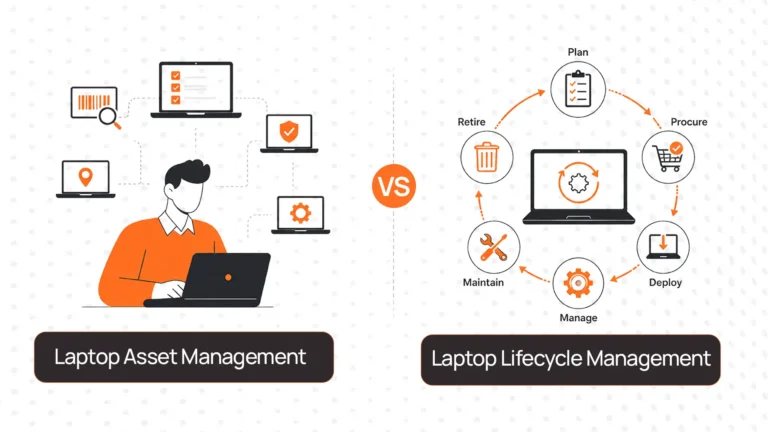
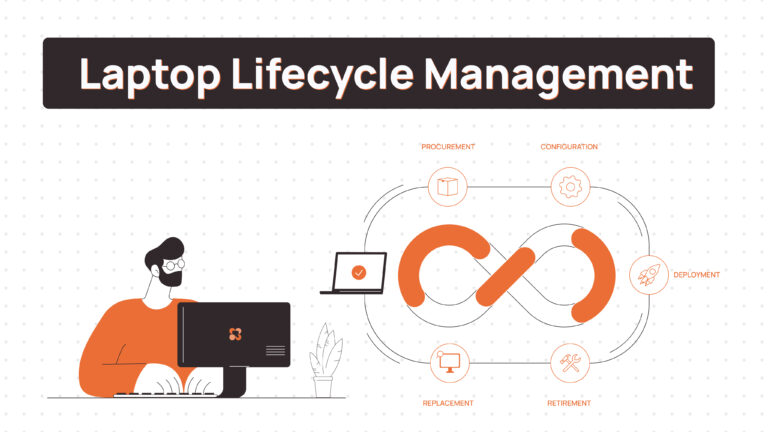
This evolution is similar to what we discussed in our guide to Laptop Lifecycle Management
Today, laptop fleet management has become a lifecycle discipline. Organizations are increasingly looking beyond visibility and focusing on execution, how devices are procured, deployed, supported, recovered, and reused efficiently.
This shift has created demand for laptop lifecycle management platforms that help organizations manage the physical movement of devices alongside traditional asset management functions.
Why Laptop Fleet Management Matters More Than Ever
Remote and Hybrid Work Have Changed Device Operations
A decade ago, most laptops lived inside office buildings.
Employees joined, received devices from IT, worked from a company location, and returned equipment before leaving.
Today’s reality looks very different.
Employees may live in different cities, states, or countries. Devices are shipped directly to homes. IT teams may never physically touch the hardware they manage.
This dramatically increases operational complexity.
A laptop fleet that spans 20 countries requires entirely different processes than a fleet operating from a single office.
Organizations looking to support distributed workforces often face the same challenges.
Rising Hardware Costs Increase Financial Risk
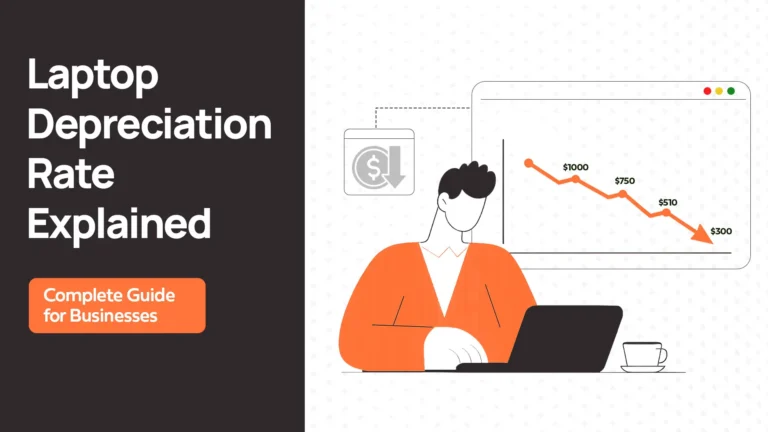
Modern business laptops can cost anywhere from $800 to $3,000+ depending on configuration.
When organizations lose visibility into assets, fail to recover devices, or replace equipment unnecessarily, costs escalate quickly.
The issue isn’t just the purchase price.
Additional costs include:
- Shipping
- Storage
- Repairs
- Insurance
- Support
- Device replacement
- Retrieval logistics
Organizations that actively manage laptop fleets typically achieve significantly better asset utilization and lower total ownership costs.
Related Reads:
- Laptop Asset Management Software
- Best Laptop Deployment Software for Remote Teams
- Laptop Inventory Management Software
- Best Laptop Retrieval Services
Security Risks Extend Beyond Asset Visibility
Knowing where a laptop is doesn’t automatically make it secure.
Organizations must also manage:
- Encryption policies
- Endpoint protection
- Patch management
- Remote lock and wipe capabilities
- Identity access controls
A single unmanaged laptop can expose sensitive customer information, employee records, intellectual property, or financial data.
This is why many companies pair fleet management programs with strong endpoint management strategies.
Compliance Requirements Continue to Expand
Organizations operating under frameworks such as GDPR, SOC 2, ISO 27001, or industry-specific regulations must demonstrate control over devices containing company data.
Laptop fleet management helps establish:
- Ownership records
- Device history
- Security status
- Recovery documentation
- Disposal records
Without those controls, compliance becomes significantly harder to maintain.
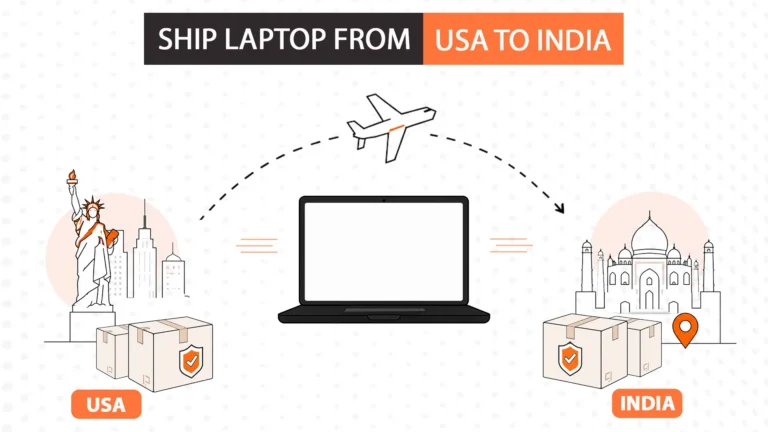
Global Hiring Creates New Logistics Challenges
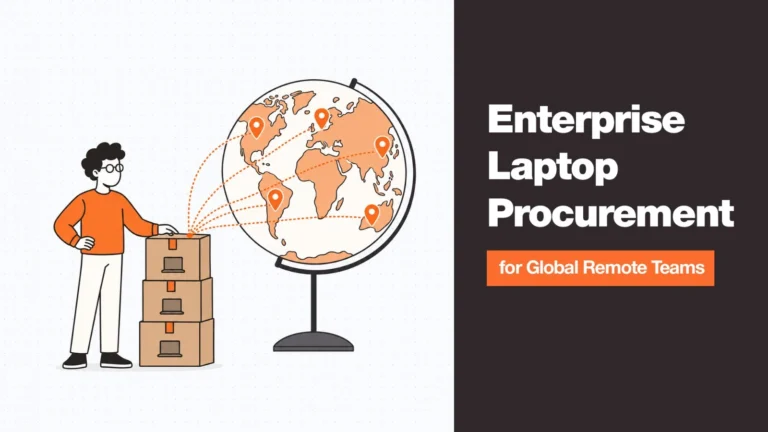
Hiring globally introduces operational challenges many organizations underestimate.
Questions quickly emerge:
- How do we source laptops locally?
- How do we avoid international shipping delays?
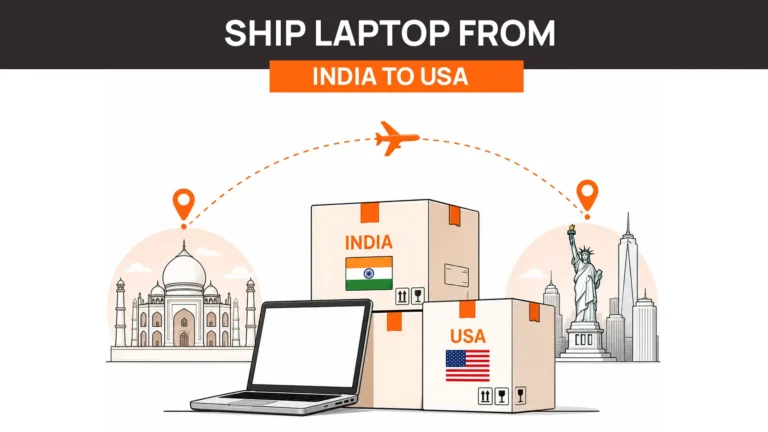
- How do we recover devices when employees leave?
- How do we redeploy equipment across countries?
The larger and more distributed a workforce becomes, the more laptop fleet management evolves from an administrative function into a strategic operational capability.
Related Read: Why Shipping Laptops Internationally Hurts Remote Teams
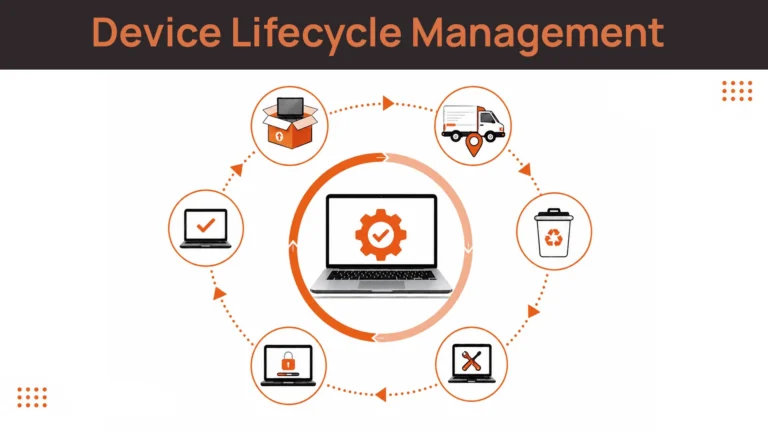
The Laptop Fleet Management Lifecycle
One of the biggest misconceptions about fleet management is that it starts when a laptop arrives and ends when an employee leaves.
In reality, it spans multiple stages.
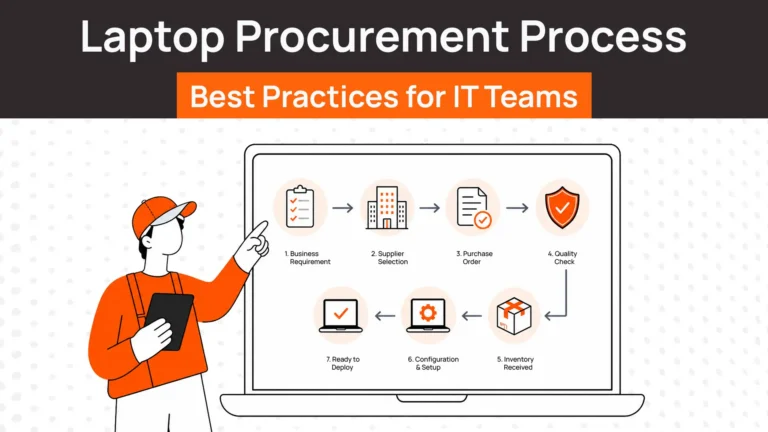
Stage 1: Procurement
Fleet management begins before a device is purchased.
Organizations must make decisions around:
- Approved vendors
- Standard device models
- Budget planning
- Hardware availability
- Regional sourcing requirements
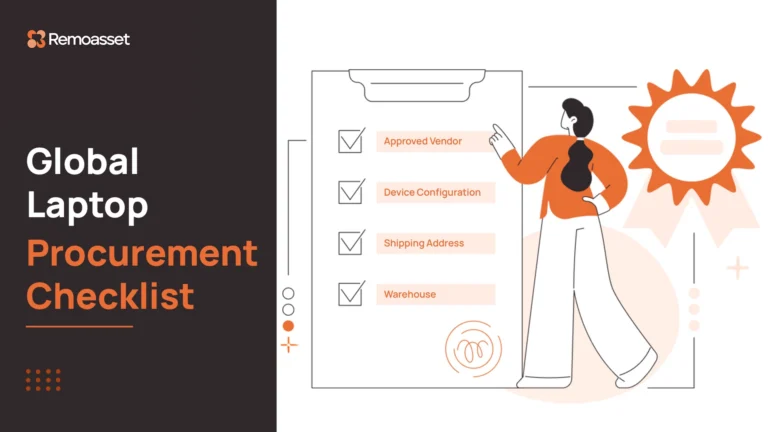
For global organizations, procurement becomes especially complex because availability, taxes, import regulations, and pricing differ significantly by country. Learn more on zero-touch laptop lifecycle management platform that lets you procure, deploy, manage, and retrieve laptops within days — in 80+ countries and growing.
This is why many IT teams increasingly follow structured Device Procurement Best Practices
Stage 2: Deployment
Once procured, devices must be configured and delivered.
Activities include:
- Employee assignment
- Security configuration
- Software installation
- Enrollment into management platforms
- Shipping and delivery
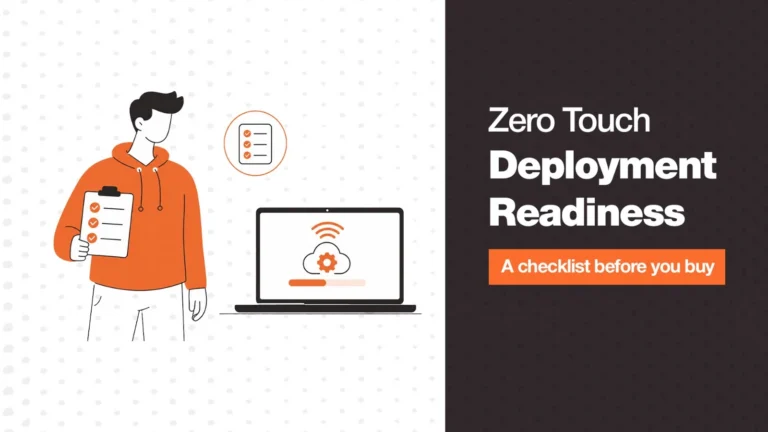
Organizations increasingly rely on Zero Touch Deployment workflows to accelerate onboarding and reduce manual IT effort.
A key success metric at this stage is time-to-productivity and how quickly a new employee can begin productive work after receiving a laptop.
Stage 3: Inventory & Asset Tracking
This stage focuses on maintaining visibility.
Organizations track:
- Device ownership
- Assignment history
- Location
- Warranty status
- Utilization
- Lifecycle stage
Many teams start with inventory tools before adopting dedicated and Asset Management solutions.
Stage 4: Security & Compliance
Every laptop must remain secure throughout its lifecycle. Key controls include:
- MDM enrollment
- Endpoint protection
- Encryption enforcement
- Patch management
- Access controls
- Remote lock and wipe
Without strong governance, laptop fleets become significant attack surfaces.
Stage 5: Maintenance & Support
Device management doesn’t stop after deployment. Organizations must support:
- Warranty claims
- Repairs
- Performance issues
- Hardware replacements
- Software troubleshooting
The goal is maximizing uptime while extending device lifespan whenever possible.
Stage 6: Retrieval
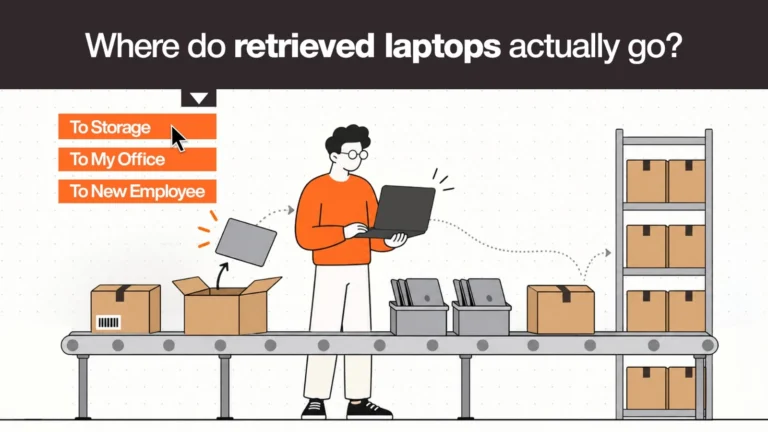
Retrieval is often the most overlooked stage of fleet management.
Many organizations discover that recovering devices from departing employees is far harder than deploying them.
Common challenges include:
- Remote employees
- International workers
- Missing return instructions
- Delayed offboarding processes
- Poor ownership records
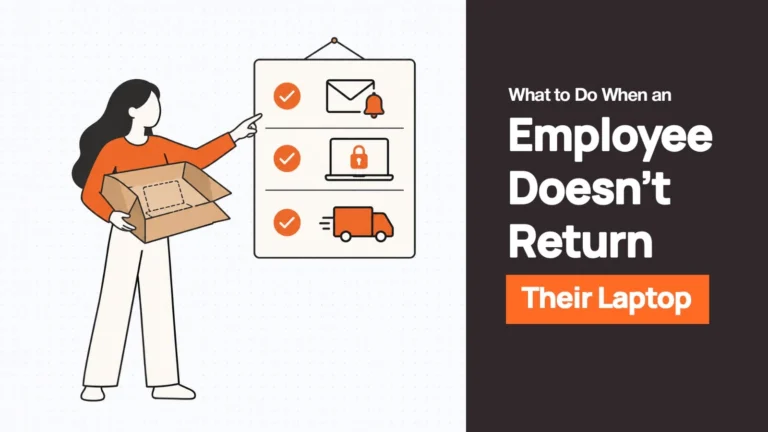
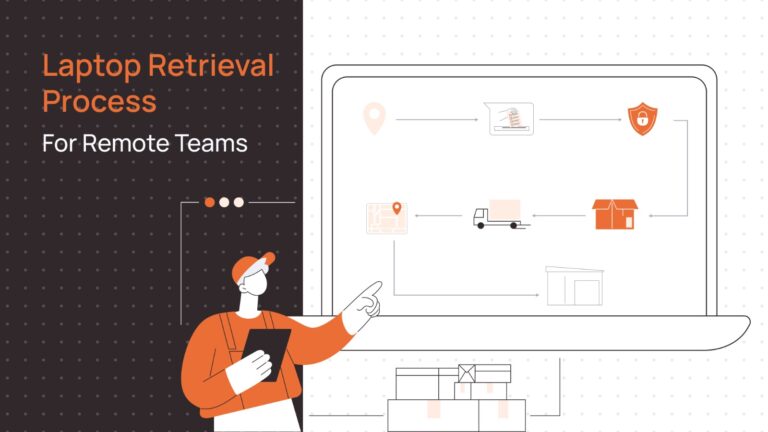
This is why many organizations invest in dedicated laptop return services and laptop retrieval solutions.
Lifecycle providers such as RemoAsset help automate retrieval workflows through local pickups, chain-of-custody tracking, and coordinated recovery operations across distributed workforces.
Stage 7: Refurbishment & Reuse
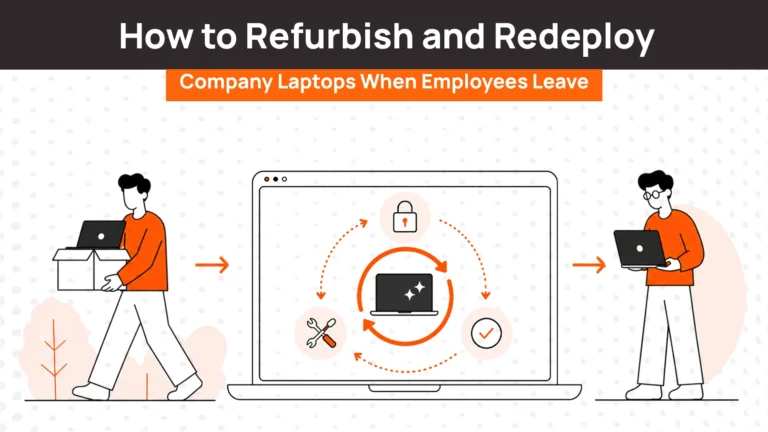
Historically, many organizations retired devices too early. Today, cost-conscious IT teams increasingly prioritize:
- Certified data wiping
- Hardware refurbishment
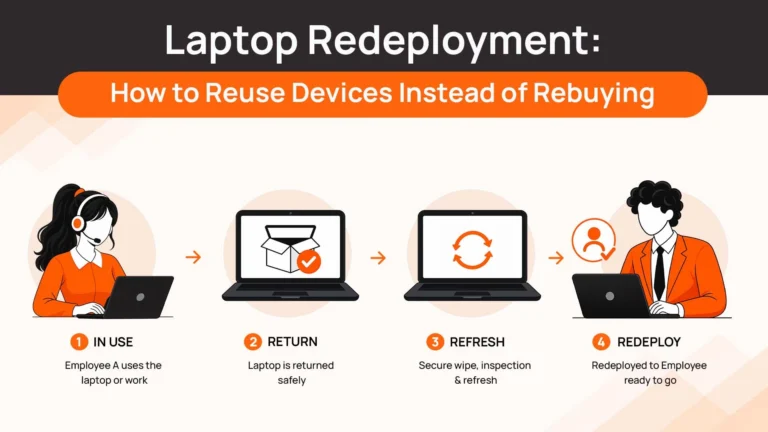
- Internal redeployment
- Secondary assignment programs
Extending device life by even one year can significantly reduce fleet costs.
Stage 8: Retirement & Disposal
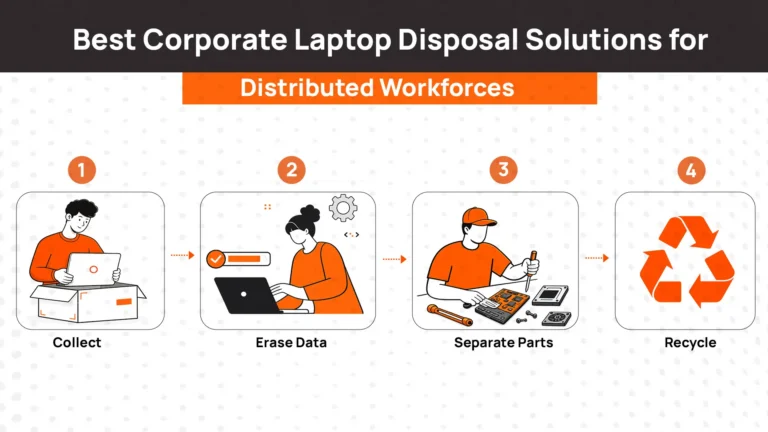
Eventually, every device reaches end-of-life. This stage includes:
- Secure data destruction
- Recycling
- Resale
- Compliance documentation
- Asset disposition
Organizations looking to improve disposal programs can learn more on Corporate Laptop Disposal
The Biggest Laptop Fleet Management Challenges
Global Logistics
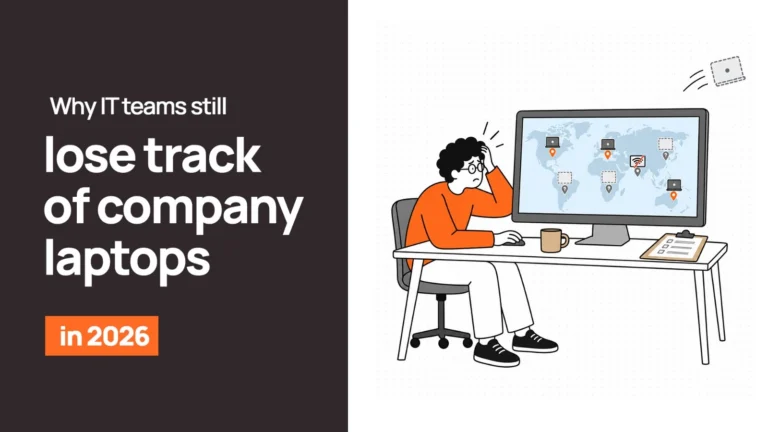
Many IT asset management systems can tell you where a device is. Far fewer help you move it.
Global logistics remains one of the largest operational gaps in fleet management. Challenges include:
- Cross-border shipping
- Customs regulations
- Device sourcing
- Regional warranty support
- International retrieval
This gap becomes especially visible during onboarding and offboarding events.
Maintaining Accurate Asset Visibility
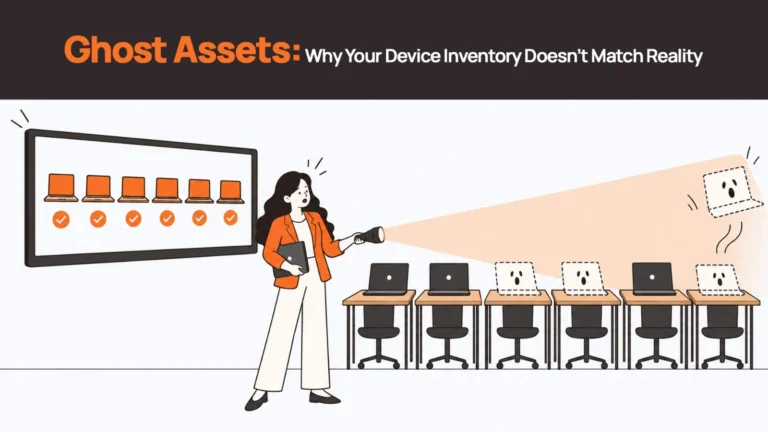
Even mature organizations struggle with inventory accuracy. Common issues include:
- Duplicate records
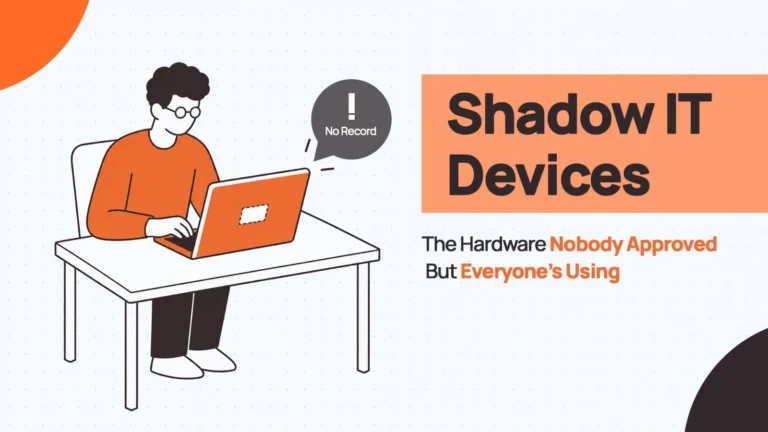
- Missing devices
- Ownership mismatches
- Outdated asset databases
Visibility becomes harder as fleets grow.
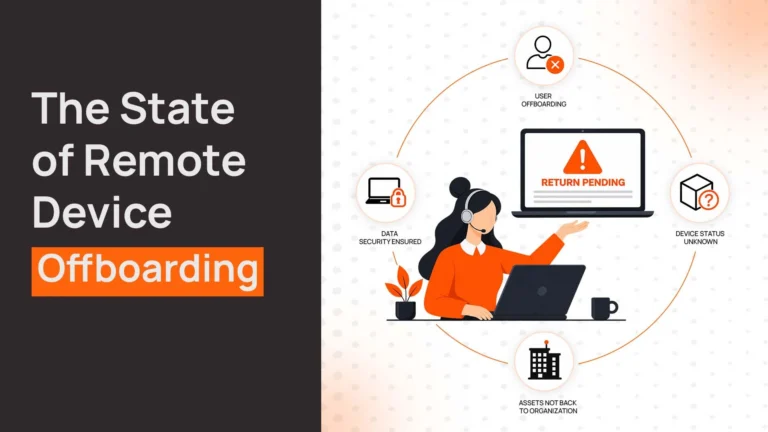
Device Recovery During Offboarding
Laptop recovery is consistently one of the highest-risk stages in the lifecycle. Organizations managing remote teams often experience:
- Lower recovery rates
- Longer retrieval timelines
- Increased device loss
This is why retrieval planning should begin when devices are issued and not when employees leave.
Security and Compliance Risks
Unmanaged devices create risks including:
- Data exposure
- Unauthorized access
- Compliance violations
- Incomplete audit trails
Fleet management programs must align closely with security policies.
Managing Costs Across the Lifecycle
Many organizations focus only on acquisition costs. However, the total cost of ownership includes:
- Procurement
- Support
- Shipping
- Retrieval
- Storage
- Disposal
Tracking lifecycle costs provides a more accurate picture of fleet efficiency.
Eliminating Manual Processes
Manual approvals, spreadsheets, and disconnected systems create operational bottlenecks. Automation improves:
- Speed
- Accuracy
- Employee experience
- Cost efficiency
Supporting Employee Experience at Scale
Employees rarely care about fleet management. They care about receiving working equipment on time.
Strong fleet management directly improves:
- Onboarding experiences
- Productivity
- Satisfaction
How to Measure Laptop Fleet Performance
The best fleet management programs are data-driven.
| KPI | Why It Matters |
| Recovery Rate | Measures retrieval effectiveness |
| Deployment Time | Measures onboarding efficiency |
| Device Utilization Rate | Measures hardware value |
| Laptop Loss Rate | Measures operational control |
| Average Device Age | Measures refresh health |
| Cost per Managed Device | Measures fleet efficiency |
| Mean Time to Repair | Measures support performance |
| Redeployment Rate | Measures lifecycle optimization |
Organizations that actively monitor these metrics often identify cost savings opportunities that would otherwise remain hidden.
Best Practices for Managing a Laptop Fleet
Standardize Device Models
Reducing hardware variation simplifies:
- Support
- Security
- Procurement
- Inventory management
Automate Device Provisioning
Automated provisioning improves consistency and reduces IT workload.
Organizations increasingly leverage zero touch deployment to support scalable deployment.
Enforce MDM Enrollment From Day One
Every device should be enrolled before reaching employees. This ensures visibility, compliance, and security from the beginning.
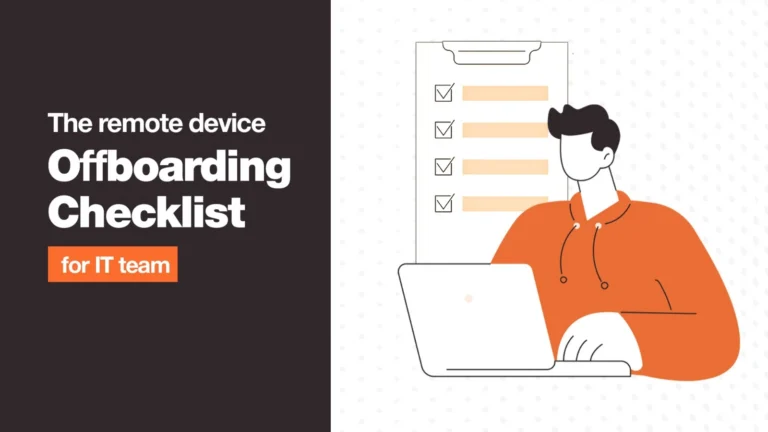
Build Retrieval Into Every Offboarding Workflow
High-performing organizations treat retrieval as a planned lifecycle stage. Not an emergency project.
Track Total Lifecycle Costs
Acquisition cost alone rarely tells the full story. Include:
- Shipping
- Repairs
- Recovery
- Disposal
- Redeployment savings
Maintain Accurate Asset Records
Visibility remains the foundation of effective fleet management.
Plan Refresh Cycles Proactively
Waiting for devices to fail often increases operational costs. Use lifecycle data to make refresh decisions proactively.
Laptop Fleet Management for Global Teams
Why Global Fleets Are Different
Global organizations face challenges that local fleets do not.
These include:
- Customs regulations
- Local procurement requirements
- Cross-border retrieval
- Regional compliance obligations
- Warranty differences
Why Visibility Alone Isn’t Enough
Traditional ITAM platforms answer:
- Where is the device?
- Who owns it?
- What is its status?
But operational teams also need answers to:
- How do we get it to a new employee?
- How do we recover it after offboarding?
- How do we redeploy it efficiently?
- How do we dispose of it securely?
This is where lifecycle-focused providers such as RemoAsset help bridge the gap between visibility and execution.
Common Laptop Fleet Management Tools
| Category | Primary Function | Examples |
| ITAM Platforms | Asset visibility and inventory tracking | Snipe-IT, ManageEngine |
| MDM Platforms | Security and device control | Jamf, Kandji, Intune |
| ITSM Platforms | Service management and support | Freshservice, Jira Service Management |
| Lifecycle Management Platforms | Procurement, retrieval, refurbishment, logistics | RemoAsset, GroWrk, Workwize |
Key Insight
No single platform typically manages every aspect of fleet operations. Most mature organizations combine multiple systems to support visibility, security, support, and lifecycle execution.
How to Build a Scalable Laptop Fleet Management Strategy
People
Define ownership across:
- IT
- Procurement
- HR
- Security
- Operations
Process
Document lifecycle workflows from procurement through disposal.
Technology
Use appropriate systems for:
- Visibility
- Security
- Support
- Lifecycle execution
Governance
Establish policies covering:
- Device ownership
- Security controls
- Refresh cycles
- Retrieval expectations
Continuous Optimization
Regularly review:
- Recovery rates
- Costs
- Utilization
- Employee feedback
The Future of Laptop Fleet Management
Several trends are reshaping fleet operations:
Workflow Automation
More lifecycle tasks will become automated.
Predictive Refresh Planning
Data-driven replacement decisions will reduce waste.
AI-Powered Asset Insights
Organizations will increasingly use predictive analytics.
Sustainability and Circular IT
Reuse, refurbishment, and resale will become standard practices.
Global Lifecycle Operations
Organizations will continue shifting toward local sourcing, retrieval, and redeployment models.
Managing Laptop Fleets Beyond Asset Tracking
Asset visibility remains important, but visibility alone doesn’t ensure devices are delivered, secured, maintained, recovered, or reused effectively.
The most successful organizations manage the entire lifecycle from procurement and deployment to retrieval and disposal through repeatable processes, automation, and clear ownership.
As workforces become increasingly distributed, laptop fleet management is evolving beyond traditional inventory tracking. Organizations are investing in lifecycle-focused approaches that combine procurement, deployment, retrieval, refurbishment, and disposal into a single operational framework.
For teams managing devices across multiple locations and countries, the future of fleet management isn’t simply knowing where laptops are. It’s being able to move, recover, reuse, and optimize them efficiently throughout their entire lifecycle.