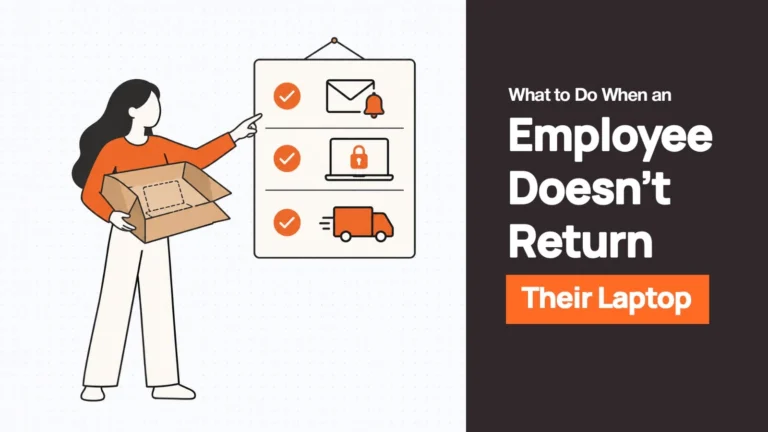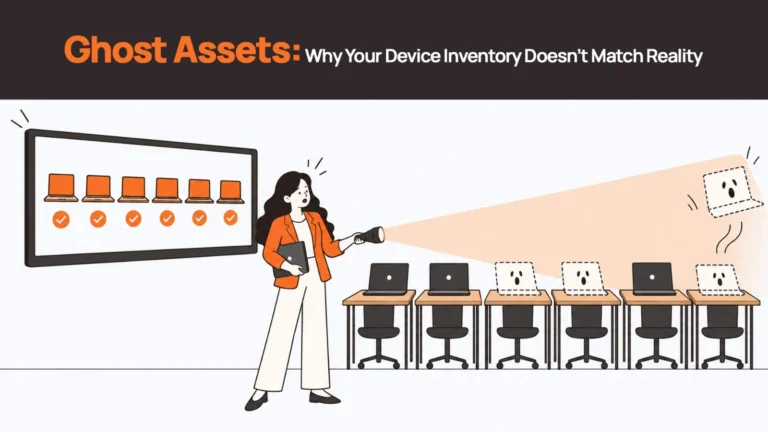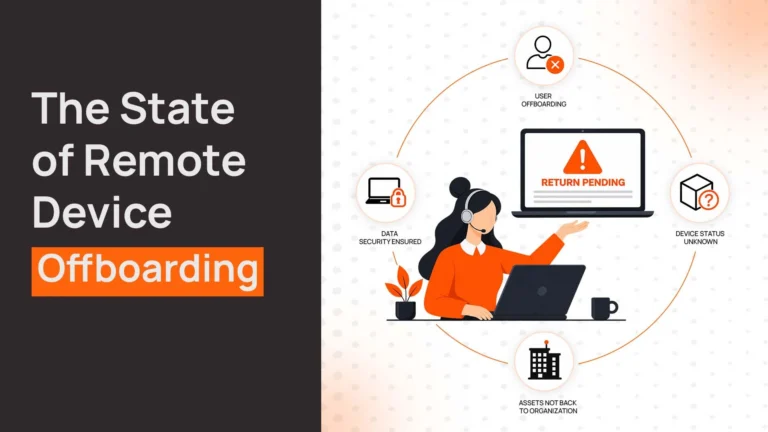
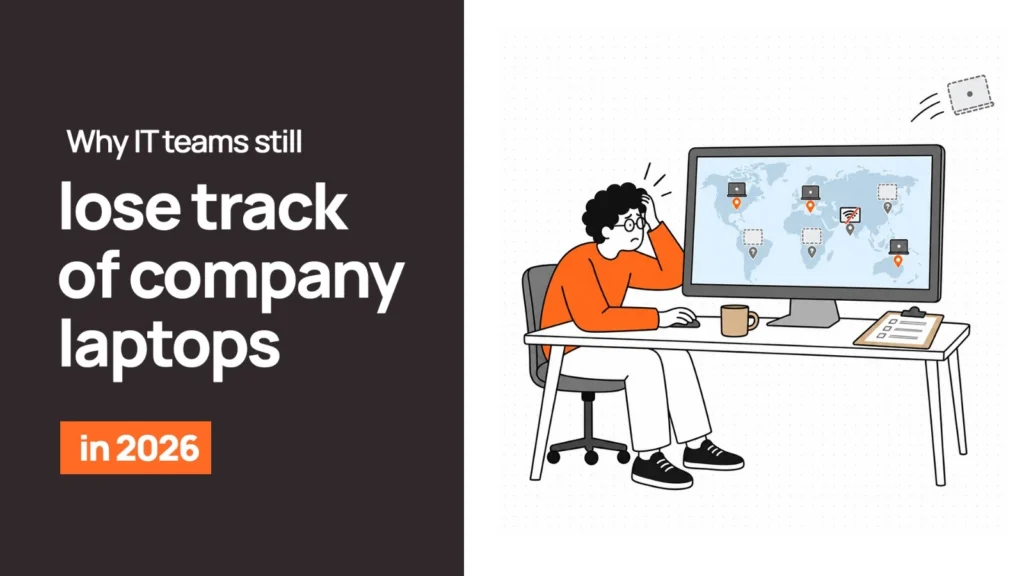
An employee leaves. Your asset management system shows their MacBook as assigned to them. HR says the employee already shipped it back. The courier tracking page says it was delivered. The warehouse hasn’t logged anything. Finance is asking for the device’s status for a quarterly audit.
Four sources of information. Four different answers.
The laptop isn’t missing. It’s almost certainly sitting somewhere. But your process has lost visibility over it — and that’s a problem that’s hard to diagnose because on the surface, everything looks fine. This is what corporate laptop asset tracking problems actually look like in 2026.
Why Company Laptops Fall Through the Cracks
Understanding why records become inaccurate is more useful than simply knowing that they do. The problem follows predictable patterns at specific points in the device lifecycle.
1. Offboarding and asset records aren’t connected
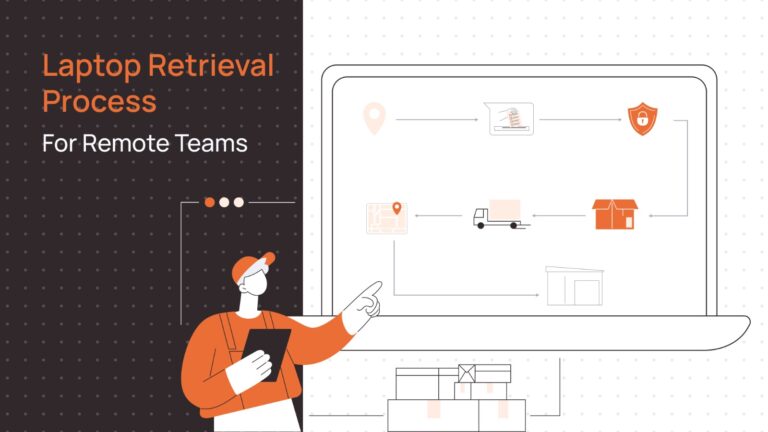
HR knows an employee is leaving before IT does. Even when IT is notified, the asset record update depends on someone remembering to trigger a return request. The ideal chain — offboarding confirmed, assets identified, return triggered, pickup tracked, device received, status updated — breaks down in most companies because each step lives in a separate system with no automatic handoff between them.
2. Remote employees make physical tracking harder
When an employee works from another city or country, you can’t walk to their desk to verify a device is still there. Remote employees also move — relocating, changing roles, working from different countries for months — creating location gaps in your records that go unresolved until that employee leaves. For the scale of this problem, see our guide to remote device management for distributed IT teams.
3. Asset records become stale across multiple systems
Most companies track devices across more than one system: an ITAM platform, an MDM tool, a procurement system, an HR platform, and sometimes a spreadsheet someone started three years ago. Each system tells a version of the story. When they disagree, the accurate answer requires human investigation rather than a database query.
4. Nobody owns the return after the employee leaves
When a device needs to come back, multiple teams are involved. HR assumes IT triggered a return. IT assumes HR is chasing the employee. Facilities receive a package and assume IT will process it. According to a Capterra survey of 300 HR workers, 71% reported that at least one exiting employee had failed to return company equipment, with an average value of around $2,000 per device. That number is partly a logistics problem — but also an accountability problem.
5. Returned devices disappear from view again
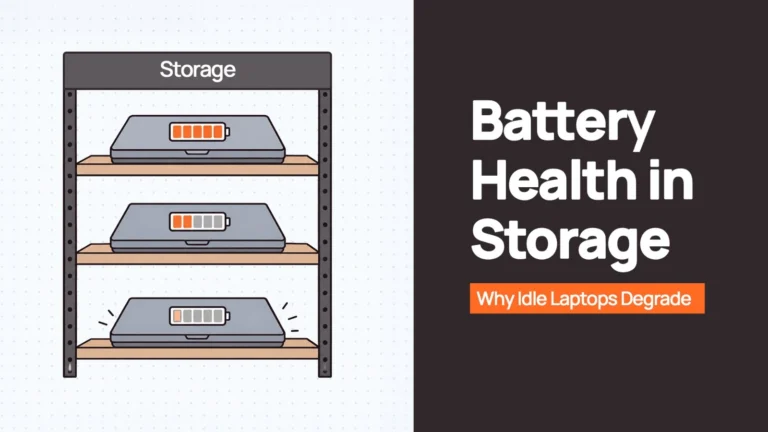
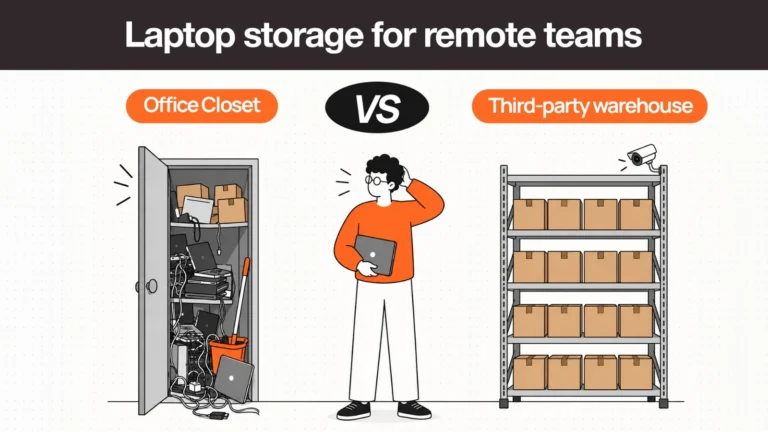
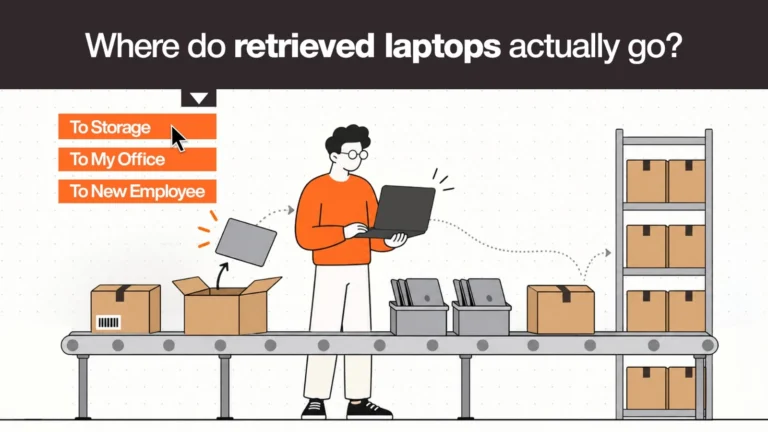
Even when a laptop comes back, tracking can fail immediately after. The device arrives, gets placed in a storage area while IT figures out what to do with it. Days pass. The asset record still shows the previous employee as the assignee because nobody updated it at receipt. When someone eventually looks for an available device for a new hire, the returned laptop doesn’t show up as available. The company has physically recovered the device. But they still don’t know its current operational state.
What Does Losing Track of a Laptop Actually Cost?
The financial case is clearer than most IT teams realize. At a 30% non-return rate across 50 annual departures and a $1,500 average device value, that’s over $22,000 in written-off assets annually from hardware alone. Beyond hardware, there’s the cost of replacing equipment for the next hire when returned inventory should have covered it, and the security exposure from an untracked device that’s technically “returned” but sitting in an unlocked storage room with an active MDM enrollment still associated with a former employee. The total cost of poor asset visibility compounds quietly across procurement, security, and operational overhead.
Why Asset Tracking Alone Isn’t Enough
This distinction matters more than most asset tracking articles acknowledge.
Asset tracking answers one question: where is this device? It records a location or assignment status. Lifecycle management asks a different set of questions: who has the device right now, what state is it in, what happened to it since it was last updated, and what needs to happen next?
| Asset Tracking | Lifecycle Management |
| Shows current assignment | Tracks the full device journey |
| Records device location or status | Connects status changes to workflows |
| Provides inventory visibility | Connects inventory to employees and operations |
| Depends on manual updates | Can automate status changes via HRIS |
| Tells IT what should be happening | Helps IT manage what actually happens |
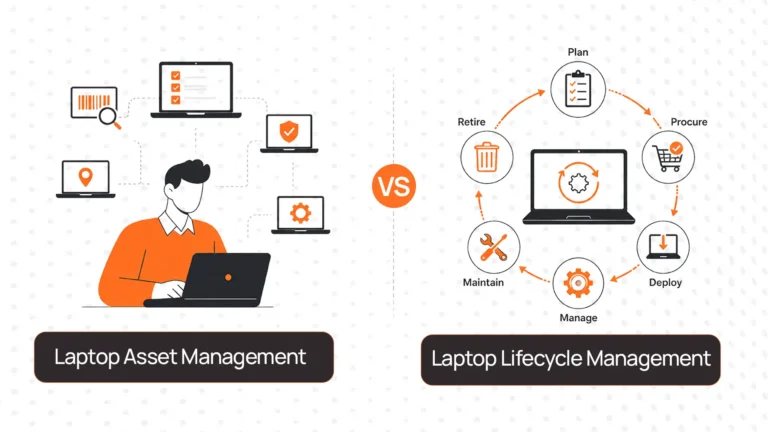
The gap between these two is exactly where devices disappear. Tracking implies active, real-time visibility into what’s happening. Recording means someone updated a field at a point in time and nobody has changed it since. Most corporate asset management is recording, not tracking. For a closer look at this distinction, see our comparison of laptop asset management vs laptop lifecycle management.
Related Reads
Each failure point above has a deeper guide if you want to fix a specific part of the process:
- Remote Device Management: A Practical Guide for Distributed IT Teams — why location gaps become so common for remote workforces.
- Remote Device Offboarding: The Complete Guide — the full offboarding-to-recovery process, from access revocation to disposal.
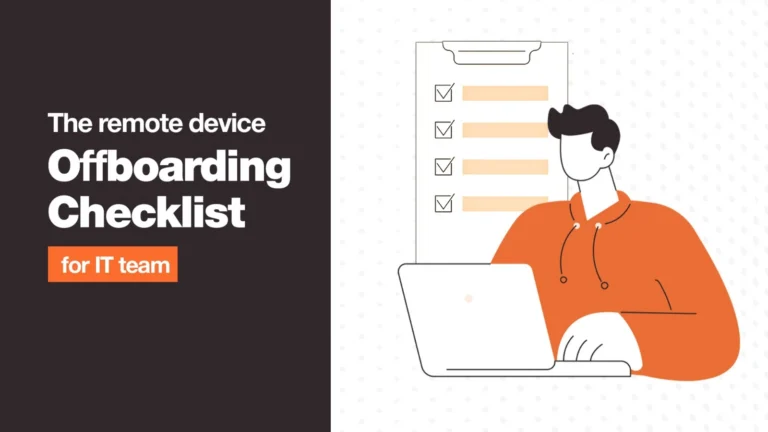
- Remote Device Offboarding Checklist — step-by-step checklist for closing each asset record correctly.
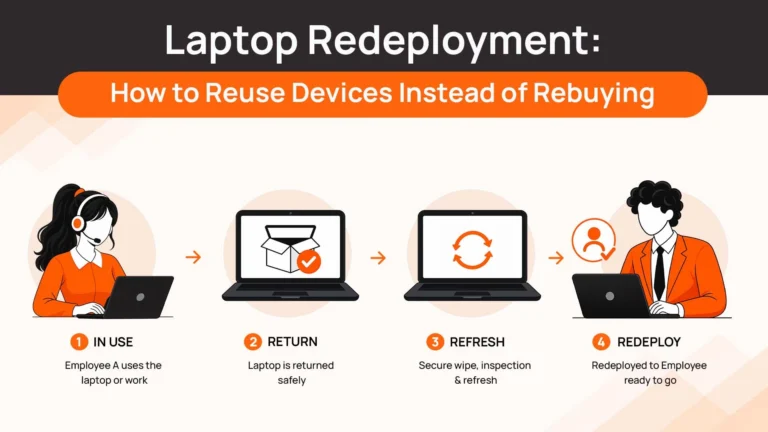
- Laptop Redeployment: How to Reuse Devices Instead of Rebuying — what to do with recovered devices so they re-enter the fleet properly.
- Laptop Retrieval Cost: What Businesses Really Pay — the true operational cost of devices that fall through the cracks.
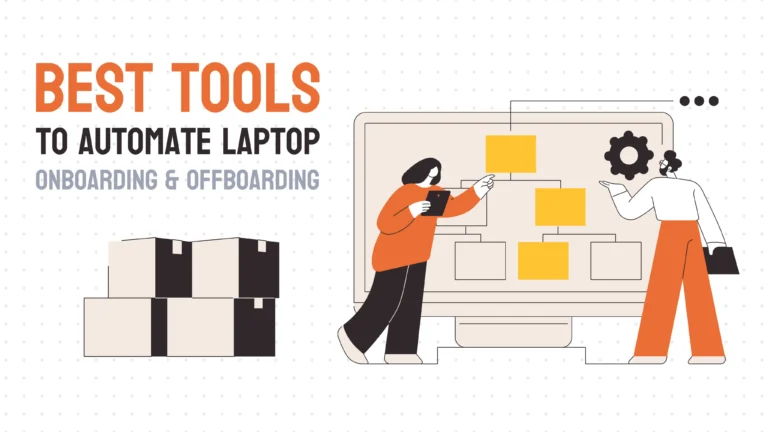
- Best Tools to Automate Laptop Onboarding and Offboarding — automation options for the manual handoffs where records go stale.
How to Stop Losing Track of Company Laptops
Moving from diagnosis to solution means addressing the specific failure points rather than just adding more tools.
1. Give every device a unique identity
Serial number, asset ID, assigned employee, physical location, and current operational status should all exist in one place per device. When those attributes live across multiple systems, you’ll always have reconciliation problems.
2. Connect assets to employee records
When someone joins, transfers, or leaves, it should be immediately visible which devices are affected. HRIS events should trigger asset record updates automatically rather than depending on manual IT intervention.
3. Trigger returns automatically during offboarding
The return request should initiate when an employee’s exit is confirmed in the HR system, not when someone in IT remembers to create a ticket. Automation removes the dependency on individual memory.
4. Track the device through the physical return
Status should update at every stage: return requested, pickup scheduled, in transit, received, inspected. A single status update at the end of the process isn’t enough — the gaps in between are where records become inaccurate.
5. Keep the asset status updated after return
Returned does not mean finished. A device that comes back needs a clear next state: awaiting inspection, ready for redeployment, in storage, or retired. Each is a different operational reality that affects whether the device can be deployed to the next hire.
6. Use lifecycle data to prevent future gaps
Historical data on which employees didn’t return devices, which locations have poor retrieval rates, and which repair workflows create the longest delays helps identify where the process is breaking systematically rather than treating every loss as an isolated incident.
What a Good Laptop Tracking Workflow Looks Like
Rather than describing the ideal abstractly, here’s how it looks end to end:
- Employee joins. Laptop is assigned, asset record updated, HRIS records the device against the employee profile.
- Employee works remotely. Device location and assignment stay visible. MDM confirms enrollment and health. No manual updates required.
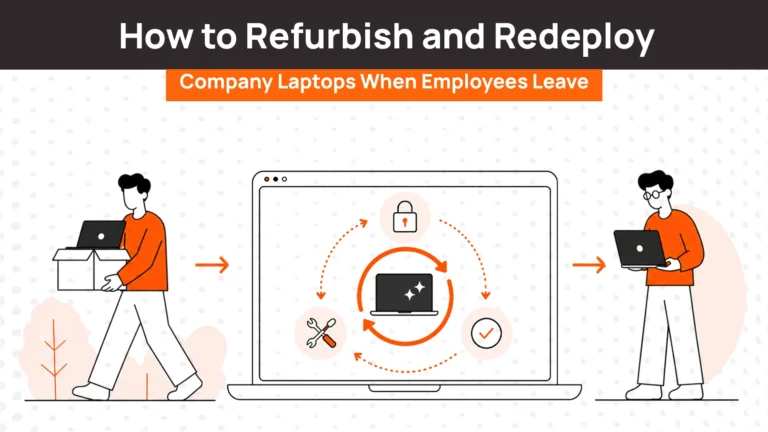
- Employee leaves. HRIS offboarding event triggers return workflow automatically. The employee receives return instructions and a prepaid return kit.
- Device is shipped. Asset status updates to in transit. Tracking number logged against the device record.
- Device arrives. Receiving team logs arrival. Asset status updates. Previous employee assignment cleared.
- Device is inspected. Condition assessed and recorded.
- Device is repaired or redeployed. Status updates to available or retired. Next hire assigned from available inventory rather than a new procurement order.
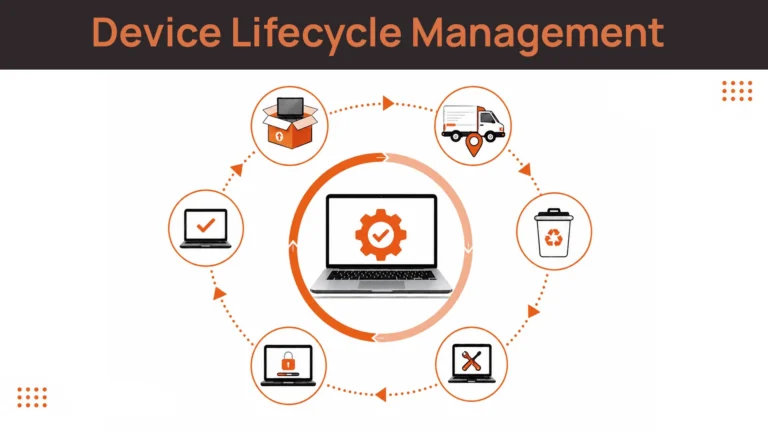
The difference between this and what most companies do is not technology. It’s connected workflows where each physical event updates the digital record automatically. Our guide to device lifecycle management covers what this looks like across the full asset lifecycle.
How Remoasset Helps Keep Laptop Records Connected
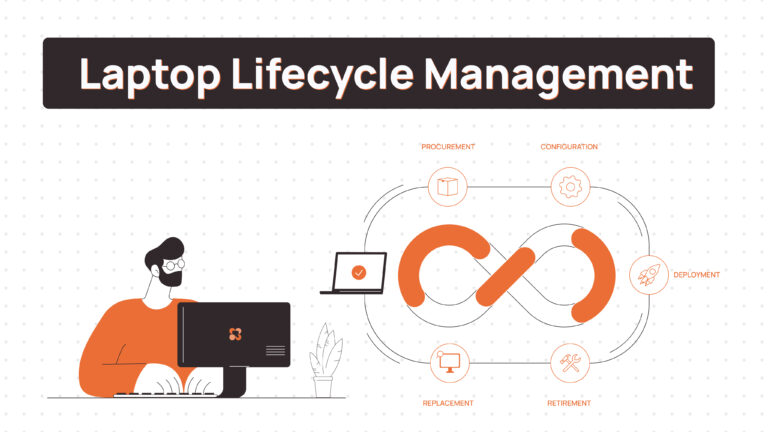
The goal of corporate laptop asset tracking isn’t knowing where a laptop is at one point in time. It’s knowing what is happening to it throughout its entire lifecycle — from procurement through redeployment.
Remoasset manages the operational chain that keeps asset records connected to physical reality. When an employee is onboarded, the device is logged against their profile from day one. When they leave, retrieval workflows trigger automatically via HRIS integration, so the return process starts without manual initiation. Each stage — pickup, transit, arrival, and inspection — updates the asset record. Returned devices don’t disappear into unlabeled storage. They’re logged by condition, routed through repair if needed, and added back to available inventory before the next procurement order is placed. Book a demo to see how it works in practice.
Frequently Asked Questions
Why does laptop asset tracking data become inaccurate?
Records become inaccurate at transition points — when employees change roles, when devices move between locations, and especially during offboarding. Each transition requires someone to update the record. When that update is manual and depends on individual memory, it frequently gets skipped or delayed.
Should HR or IT be responsible for recovering company laptops?
Both, with a clear handoff. HR owns the offboarding event and employee communication. IT owns the device record and return workflow. The failure happens when each assumes the other is handling the coordination. The cleaner approach is an automated trigger: when HR confirms exit, the IT return workflow initiates without a manual handoff.
What’s the difference between asset tracking and lifecycle management?
Asset tracking records the current state of a device at a point in time. Lifecycle management connects every state change to a workflow that keeps the record current and triggers the next appropriate action. Tracking tells you what you own. Lifecycle management helps you manage what’s actually happening to what you own.
What should IT do when an employee says they returned a laptop but the system still shows it as assigned?
Check the courier tracking number first. If no tracking record exists, the return may have been promised but not executed. Either way, the asset status shouldn’t be updated until physical receipt is confirmed — not on the employee’s word alone.
How often should companies audit their laptop inventory?
Quarterly physical audits catch significant drift between records and reality for most companies. Organizations with high turnover or distributed teams benefit from monthly spot checks on returning devices and newly deployed assets. Continuous automated tracking reduces audit frequency by keeping records current between cycles.