Esevel comes up constantly in conversations about global device management, especially among startups hiring across Southeast Asia and APAC. If you’re evaluating it, you’ve probably already skimmed G2, Capterra, and a couple of “top 10 alternatives” listicles that all say roughly the same thing.
This review goes a layer deeper. It pulls together what verified reviewers across G2, Capterra, Software Advice, and Research.com actually report, cross-references that against Esevel’s own product positioning, and points out where the platform holds up and where buyers repeatedly run into friction.
Overall Ratings of Esevel across Platforms
Before diving into features, here’s how Esevel performs across major software review platforms:
| Platform | Rating | Number of Reviews | Notes |
| G2 | 4.6 / 5 | 9 reviews | All reviews currently come from Asia-based customers. |
| Capterra | 4.9 / 5 | 14 reviews | Mostly Singapore-based users with a few international reviews. |
| Software Advice | 4.9 / 5 | 14 reviews | Shares review pool with Capterra/GetApp. |
| Research.com | 4.5 / 5 | Editorial rating | Not user-generated; based on Research.com’s methodology. |
While the review volume is still relatively small compared with larger device management vendors, overall customer sentiment is consistently positive across platforms.
What Is Esevel?
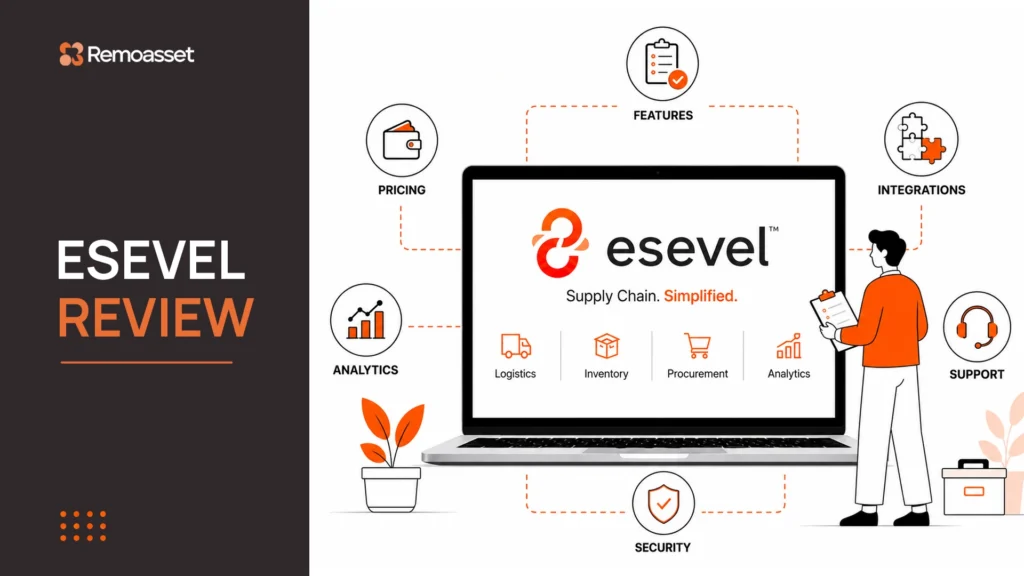
Esevel is a cloud-based IT device and asset management platform built for companies with distributed or remote workforces. It combines device procurement, shipping, provisioning, and basic lifecycle tracking into one dashboard, with a particular strength in APAC logistics.
The platform’s core pitch is straightforward: instead of a company scrambling to find laptop vendors in every country it hires into, Esevel sources devices locally, pre-configures them, and ships them to new hires — often with MDM enrollment already applied.
Core capabilities include device procurement and shipping, zero-touch provisioning, MDM support, asset tracking, and IT ticketing with a handful of integrations such as Slack.
Esevel at a Glance
| Category | Details |
| Company size | Small team, startup-stage vendor |
| Deployment | Cloud-based only |
| Countries supported | 80+, concentrated in APAC, with US/UK/EU/LATAM coverage |
| Core modules | Procurement, provisioning, MDM, asset tracking, ticketing |
| Integrations | Limited; Slack and a small number of workflow tools |
| Support | Phone, chat, email; frequently praised for responsiveness |
| Pricing | Custom quote, demo required |
| Best for | Startups and mid-market teams hiring across APAC |
Key Features
1. Global Procurement
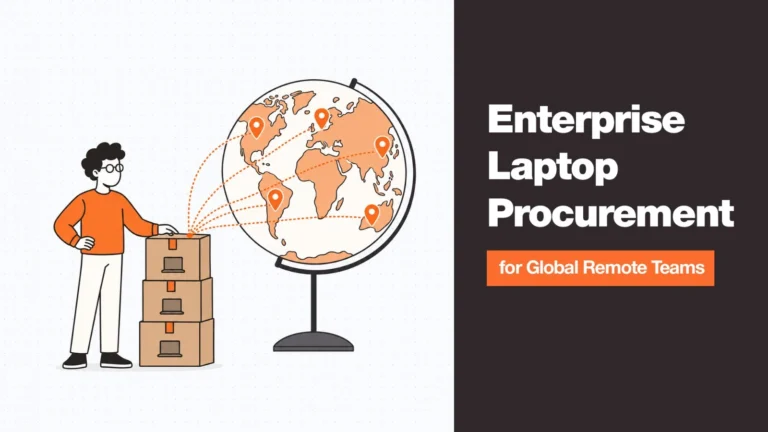
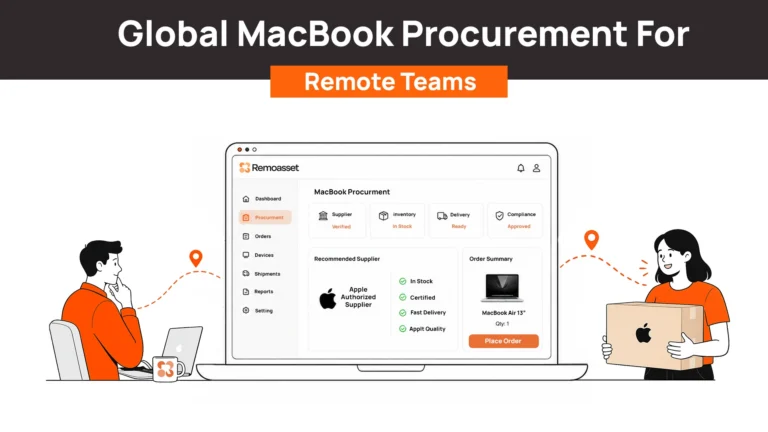
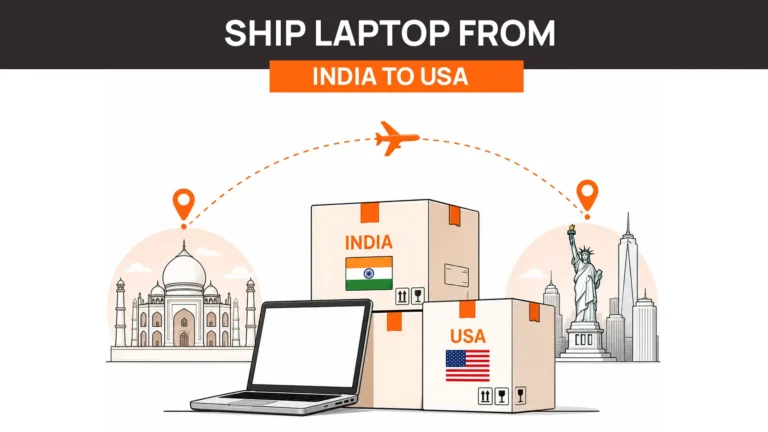
Esevel sources hardware locally in each country rather than shipping cross-border, which is the feature reviewers mention most often. It shortens delivery timelines and avoids the customs delays that come with importing laptops internationally.
The limitation: coverage depth varies by region, and buyers outside Esevel’s stronger APAC network sometimes see less consistent turnaround.
2. Device Provisioning
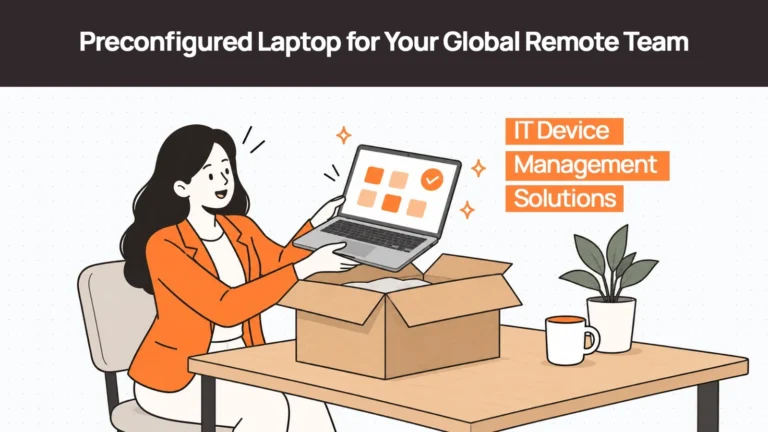
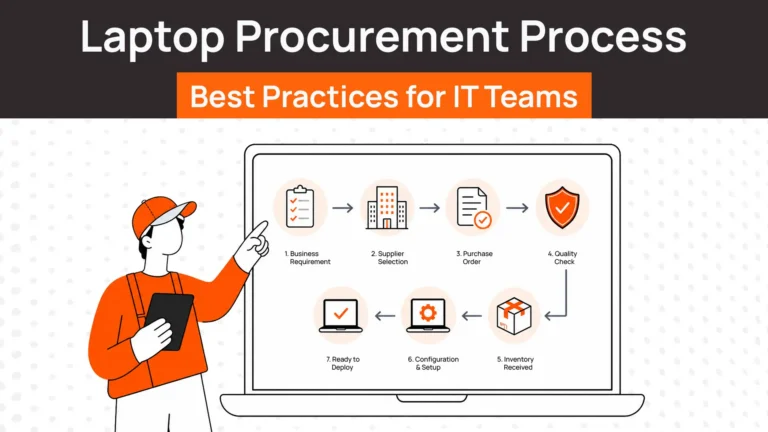
New devices arrive pre-configured with company software, security policies, and MDM enrollment already applied — the zero-touch deployment model most distributed teams are moving toward.
This is what reviewers mean when they describe onboarding as “day one ready.” It removes manual setup work from IT teams, though the degree of customization available at the provisioning stage is narrower than what a dedicated enterprise MDM suite offers.
3. Asset Management
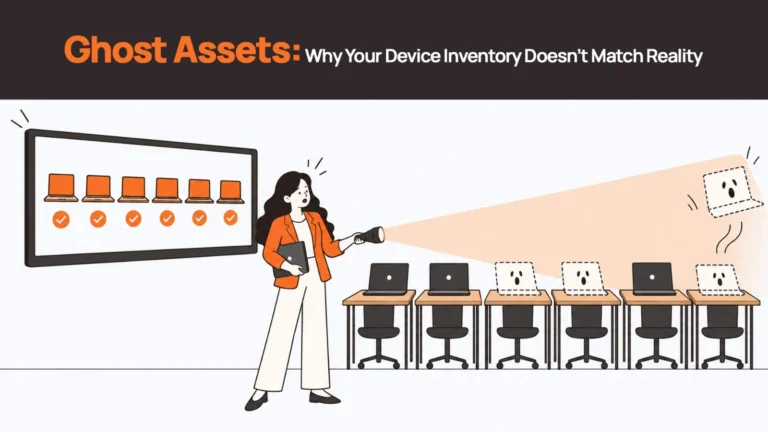
A central dashboard tracks device status, location, and assignment. It’s functional for small-to-mid fleets. Companies managing thousands of assets across many device types tend to want deeper reporting and audit trail capabilities than the platform currently provides.
4. MDM Support
Esevel layers its own management tools on top of standard MDM protocols and integrates with established platforms like Jamf and Intune rather than replacing them outright. This is a sensible approach for security-conscious teams, but it also means MDM depth depends partly on what the underlying MDM vendor supports.
5. Onboarding and Offboarding
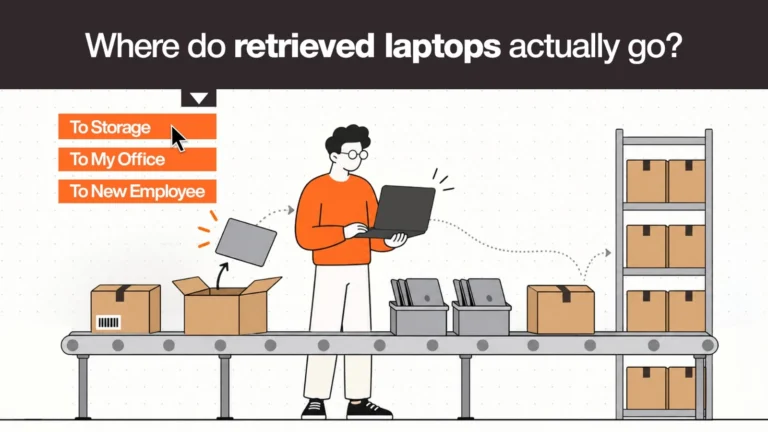
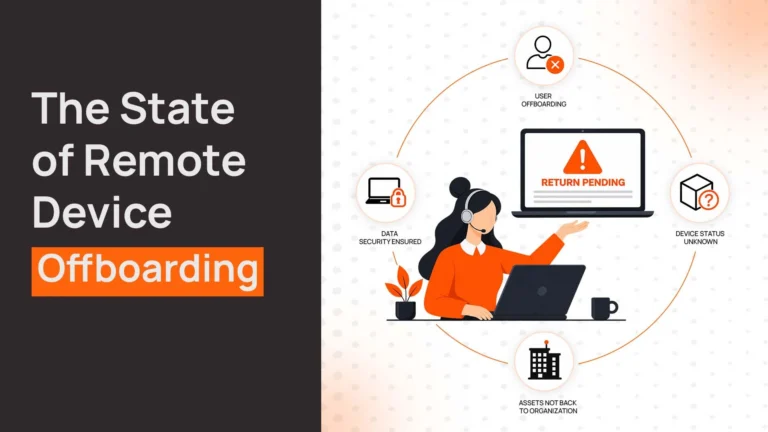
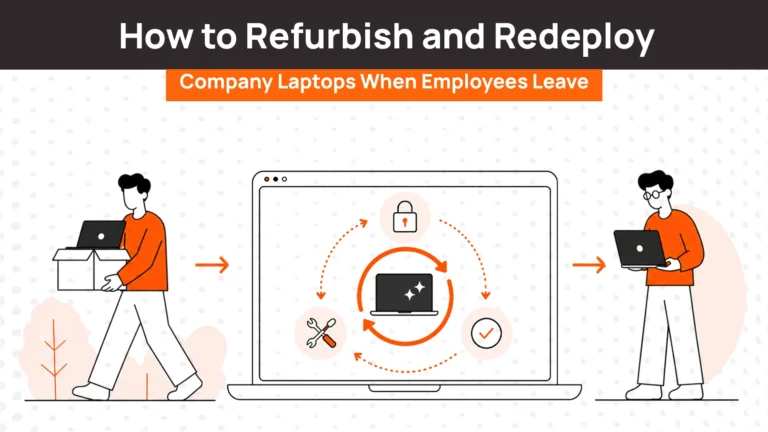
This is where Esevel’s value proposition is strongest. Onboarding is largely automated: request a device, it gets configured and shipped. Offboarding triggers a retrieval workflow, though several reviewers note that offboarding visibility — knowing exactly where a returned device is in the pipeline — is less mature than the onboarding side.
6. Repairs
Repair coordination runs through Esevel’s vendor relationships. Turnaround can depend on manufacturer warranty processes (Apple, Dell, HP) rather than something Esevel fully controls end-to-end. That’s a structural limitation of any procurement-first platform rather than a flaw unique to Esevel.
7. Storage
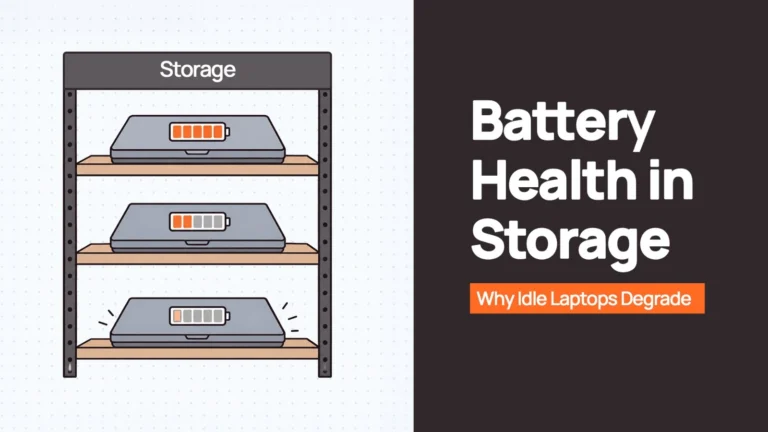
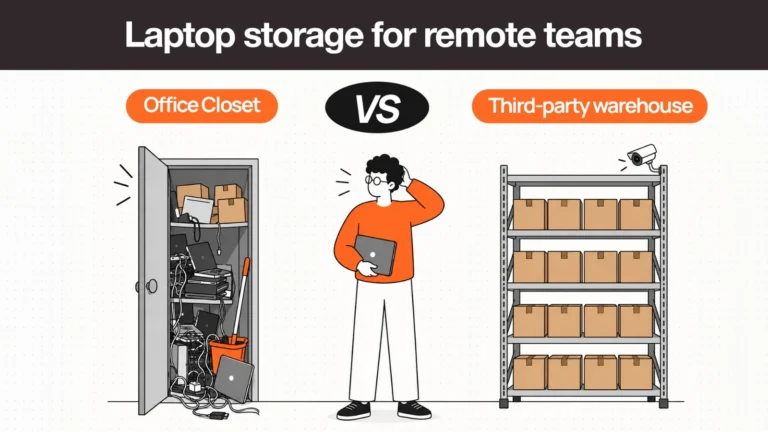
Device storage for unassigned or returned hardware exists but is described less often in reviews than procurement or onboarding, suggesting it’s a secondary capability rather than a core strength.
8. Reporting and Automation
Reporting covers device status and compliance basics. Automation is centered on provisioning workflows rather than broader IT operations automation, which is a common point of comparison against heavier asset management platforms.
9. Support
Consistently one of the most praised aspects of the platform. Multiple review sources independently mention responsive phone and chat support, which matters more than usual for a product where physical logistics failures (a late shipment, a customs snag) need fast human intervention.
What Users Like About Esevel
Across G2, Capterra, and Software Advice, a few themes repeat often enough to call them patterns rather than isolated opinions.
- Onboarding speed is the single most consistent praise point. Reviewers describe cutting device setup time dramatically and getting new hires productive on day one, even in countries where the company has no physical office.
- Support responsiveness shows up again and again. Several reviewers specifically contrast Esevel’s support experience favorably against prior vendors or in-house processes.
- Interface simplicity is another recurring theme — users across different company sizes describe the dashboard as easy to learn without much onboarding of their own.
- Regional logistics strength is mentioned specifically by companies hiring in Southeast Asia, where reviewers describe Esevel’s local vendor network as solving a problem that was previously handled through a patchwork of freelance couriers and local resellers.
Taken together, these patterns point to a platform that solves a specific, painful problem — getting a working laptop to a new remote hire quickly — very well.
Common Complaints about Esevel
The negative feedback is narrower but consistent across platforms.
- Integration limitations come up most often. Reviewers managing broader tech stacks want Esevel to connect more natively with HRIS, ITSM, or procurement systems already in place, rather than operating as a semi-isolated tool.
- Pricing opacity is mentioned frequently, sometimes framed neutrally and sometimes as a mild frustration. A few reviewers note that pricing turned out to be reasonable once revealed, which suggests the complaint is more about the demo-gated sales process than the actual cost.
- Customization ceiling is a theme among larger or more process-heavy organizations, who want more configurability in workflows, approval chains, and reporting than the platform currently supports.
- Feature release pace is a smaller but real complaint — some reviewers want new capabilities to ship faster, which is typical feedback for a smaller, growing vendor competing against larger incumbents.
None of these complaints describe the platform as unreliable. They describe a tool that is good at a specific job and less flexible outside that job.
Esevel Pricing
Esevel does not publish pricing publicly on its website or on third-party review platforms. Every source — G2, Capterra, Software Advice, Research.com — points buyers toward a demo request instead of a rate card.
This is common for procurement-and-logistics-heavy platforms, since actual cost depends on device volume, countries involved, hardware specs, and support tier. It does mean buyers need to do more upfront work to get comparable numbers.
Before a demo call, it’s worth going in with:
- An estimated device count for the next 12 months, by country
- A list of the device types and specs your team standardizes on
- Whether you need MDM enrollment bundled or handled separately
- Your current offboarding recovery rate, so you can judge whether Esevel’s process would improve it
- Any required integrations (HRIS, SSO, ticketing) stated explicitly, since this is where complaints cluster
Asking these questions directly during the sales process avoids the common pattern of buyers under-scoping the deal and finding cost or capability surprises later.
Pros and Cons
| Pros | Cons |
| Fast onboarding through pre-configured devices | No public pricing |
| Strong APAC procurement and logistics network | Limited third-party integrations |
| Simple, low-learning-curve dashboard | Customization ceiling for larger organizations |
| Responsive phone and chat support | Offboarding visibility weaker than onboarding |
| MDM compatibility with Jamf and Intune | Repair turnaround depends on manufacturer warranty processes |
Esevel vs Competitors
| Platform | Procurement | Lifecycle Depth | Retrieval | Data Wiping | Integration | Pricing Transparency | Best Fit |
| Esevel | Strong, APAC-focused | Moderate | Basic | Via MDM | Limited | Demo-gated | APAC-heavy startups |
| Remoasset | Strong, 80+ countries | Full physical lifecycle | Structured, local | Dedicated process | Moderate | Subscription | Global retrieval-heavy operations |
| Workwize | Strong, global | Moderate-to-strong | Yes | Yes | Moderate | Demo-gated | Global distributed teams |
| GroWrk | Strong, global | Moderate | Yes | Yes | Moderate | Demo-gated | Remote-first companies |
| Firstbase | Moderate | Moderate | Yes | Yes | Limited | Demo-gated | US-centric remote teams |
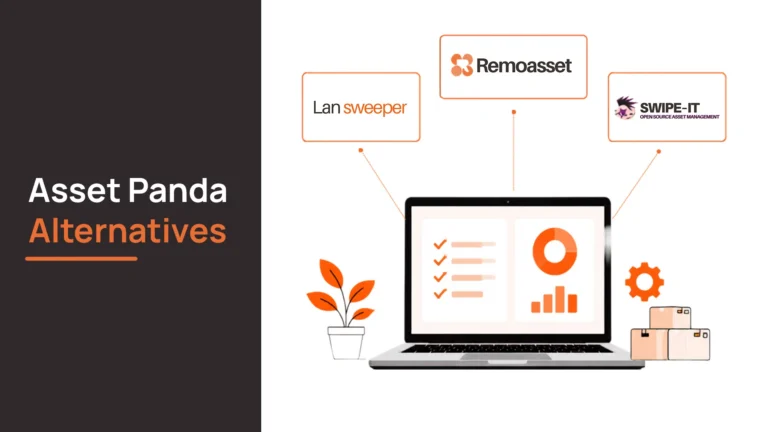
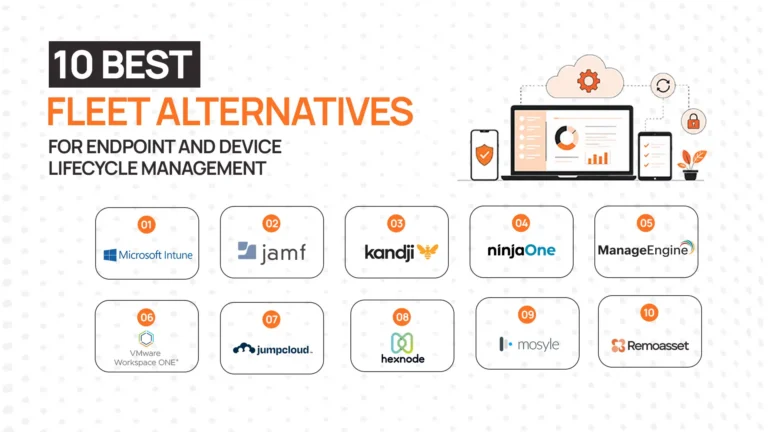
| ManageEngine | Limited (not core) | Deep asset tracking | No | Limited | Extensive | Published tiers | Enterprises wanting full ITSM tooling |
| Snipe-IT | None (tracking only) | Asset tracking only | No | No | Open-source/API | Free/open-source | Teams needing free asset tracking |
Esevel and its closest peers overlap heavily on procurement and onboarding. The differentiation shows up further down the lifecycle — retrieval, storage, wiping, and redeployment — where coverage varies a lot more between vendors.
Why Some Teams Choose Remoasset Instead
Esevel is a strong option for organizations that need to simplify global IT procurement, onboarding, and device management for distributed teams. Its user-friendly platform, responsive customer support, and global supplier network are recurring strengths highlighted across customer reviews, making it particularly well suited for fast-growing companies with remote employees.
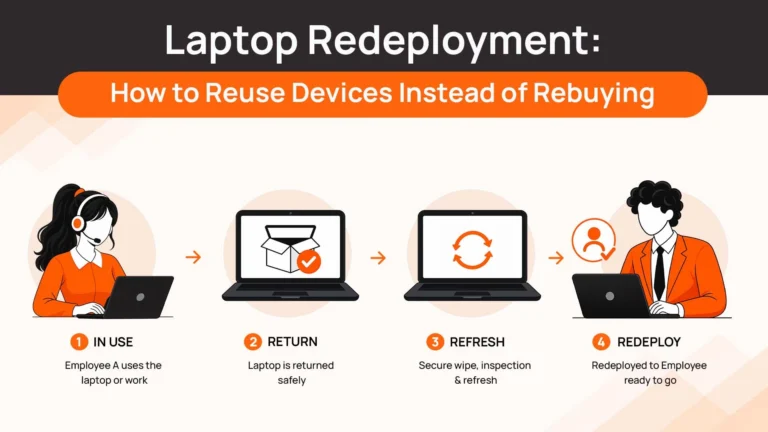
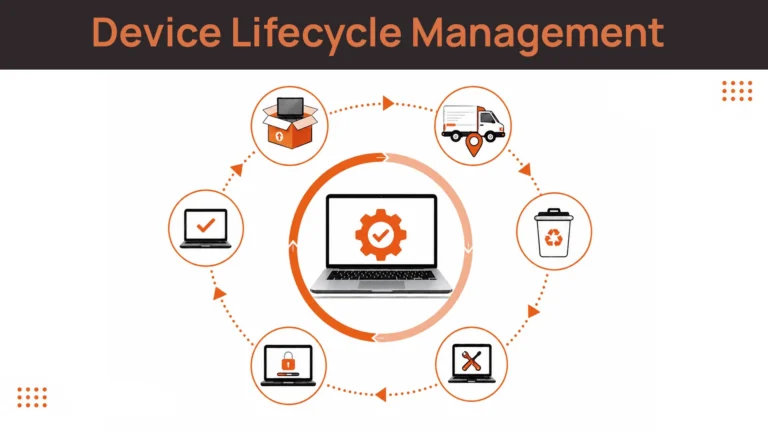
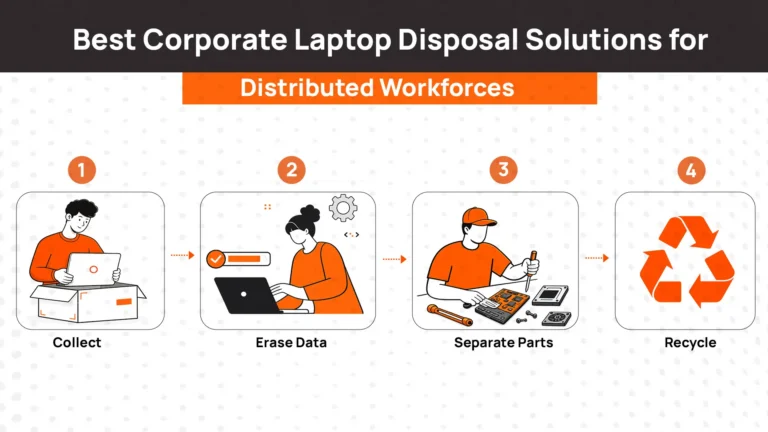
However, organizations managing large device fleets often need visibility beyond onboarding. Retrieval, secure storage, certified data wiping, repairs, and redeployment become just as important as getting a laptop to a new hire.
In those cases, it’s worth evaluating alternatives such as Remoasset, which extends beyond procurement to manage the complete physical device lifecycle. Instead of treating offboarding and redeployment as separate processes, it connects procurement, deployment, retrieval, storage, secure data wiping, and redeployment within a single workflow.
If retrieval and redeployment are the parts of your lifecycle that break most often, book a demo to see how the workflow handles them end to end.
Frequently Asked Questions
Is Esevel good for remote teams?
Yes, particularly for teams hiring across APAC. Reviewers consistently cite fast onboarding as the platform’s strongest attribute for distributed hiring.
Does Esevel support MDM?
Yes. It integrates with established MDM platforms such as Jamf and Intune rather than replacing them, layering its own provisioning and tracking on top.
How many countries does Esevel support?
Esevel states coverage across roughly 88 countries, with the strongest logistics presence in APAC and additional coverage in the US, UK, EU, and LATAM.
Does Esevel publish pricing?
No. Pricing is quote-based following a demo, which is consistent across every third-party review source checked for this article.
Does Esevel replace a full device management system?
Not fully. It covers procurement, provisioning, and basic asset tracking well, but larger organizations often run it alongside deeper device management or ITSM tooling rather than as a full replacement.
Related Reads
- Best Esevel Alternatives for Global Device Management
- Workwize Alternatives and Competitors
- GroWrk Alternatives and Competitors
- ZenAdmin Alternatives for Distributed IT Teams
- Laptop Lifecycle Management: The Complete Guide
- Laptop Asset Management vs Laptop Lifecycle Management
- Best International Laptop Retrieval Services for Remote Teams
- IT Hardware Procurement: A Practical Guide for Distributed Teams
- Remoasset vs Workwize: Which Fits Global Distributed Teams