CDW is a well-established enterprise technology reseller, and for many IT teams, it works exactly as intended. It offers a broad hardware and software catalog, established vendor relationships, and services beyond simply selling laptops.
So why do companies start looking for CDW alternatives?
Usually it is not because they suddenly decided they need a completely different kind of IT vendor. The search tends to start with a specific operational problem.
Quotes take longer than expected. A request requires too many back-and-forth conversations. Pricing becomes difficult to manage. Support quality varies between accounts. Or the company’s workforce expands internationally and a procurement model that worked well for US-based employees becomes harder to coordinate across countries.
These frustrations show up in third-party reviews. Gartner Peer Insights includes positive reviews describing CDW as responsive and offering broad hardware choice, alongside critical reviews citing slow response times, difficulty getting quotes, and high costs.
That makes the CDW alternatives question more interesting than a simple list of competitors.
If your problem is service quality, another traditional VAR may be the right answer. If the bigger problem is managing laptops across a distributed workforce, moving from one reseller to another may not solve the underlying issue at all.
The better question is: what exactly are you trying to replace?
Where CDW Can Fall Short
Before looking at alternatives, it is worth separating genuine limitations from situations where CDW may simply be the wrong fit for a particular operating model.
1. Procurement can become complex
CDW operates across a very broad technology catalog. That breadth is valuable when an IT team wants one provider for hardware, software, licensing, and other technology requirements. The same breadth can create complexity when the requirement is relatively simple.
A company that needs a laptop for a new employee may still have to work through quotes, product availability, configurations, purchasing approvals, and fulfillment. At enterprise scale these processes can be perfectly manageable when demand is predictable and the IT team has an established account relationship. They become more frustrating when hundreds of employee requests are arriving at different times and across different countries.
2. Service experience can vary
CDW’s scale means the customer experience is not necessarily identical for every organization. Gartner’s current review data illustrates this split: some reviewers highlight quick service and broad product availability, while others report slow responses and difficulty getting quotes.
That does not mean every CDW customer experiences poor support. It means support quality should be part of your evaluation when deciding whether to stay with a large reseller or move to another model. If the problem is primarily account responsiveness, switching to another VAR may solve it without requiring a complete change in procurement strategy.
3. Global hiring changes the equation
A procurement relationship that works smoothly for employees in the US does not necessarily solve the operational problem when employees are spread across multiple countries. International hiring introduces additional questions around sourcing, local availability, delivery, customs, invoicing, taxes, and retrieval.
At that point, the question becomes less about finding a reseller with a large catalog and more about how much of the device lifecycle your organization wants to coordinate itself. That distinction is what separates traditional CDW competitors from the newer category of device lifecycle platforms.
Related Reads
If you are evaluating CDW alternatives because of a specific operational gap, these posts cover the decisions that usually come up in parallel:
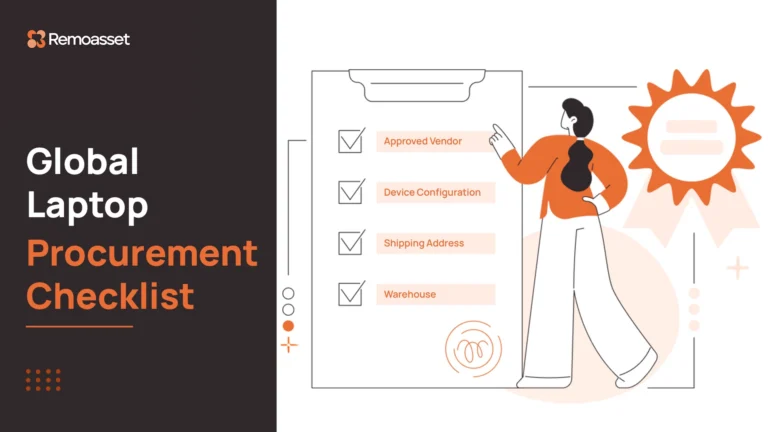
- Global Laptop Procurement Checklist — what to verify before committing to any procurement provider across multiple countries.
- IT Hardware Procurement: A Practical Guide — how to structure a procurement process that scales past a single-reseller relationship.
- Best International Laptop Retrieval Services for Remote Teams — retrieval is often the gap that traditional VARs leave uncovered.
- Firstbase Alternatives — how the device lifecycle platform category compares across vendors.
- Device Procurement Best Practices — vendor evaluation criteria that apply whether you stay in the VAR model or move to a lifecycle platform.
Traditional CDW Alternatives
If you like the VAR model but want a different vendor, there are several established alternatives worth evaluating.
1. Insight
Insight is one of the most obvious alternatives for organizations that want to remain within the traditional enterprise reseller model. Like CDW, it works across hardware, software, and broader technology services, making it suitable for organizations that want more than a simple laptop purchasing relationship.
It can make sense for large IT organizations that already have centralized procurement processes and want a broad technology partner. The key question is whether switching from CDW to Insight addresses the specific problem you have. If your frustration is account responsiveness, pricing, or service, a different VAR may be worth testing. If your frustration is that employees are distributed across 15 countries and your team is still coordinating procurement and retrieval separately, simply changing the reseller may not fundamentally change the workflow.
2. SHI
SHI is another major enterprise technology reseller and appears prominently among CDW alternatives in Gartner’s peer evaluations. It is particularly relevant for organizations with substantial enterprise technology and software procurement requirements.
For a company that already has a centralized IT procurement function and primarily needs another large-scale reseller relationship, SHI can be a logical option. It belongs to the same broad category as CDW, however, so organizations should evaluate it against the actual reason they are considering a change.
3. Softchoice
Softchoice is another established technology reseller serving business and enterprise customers. It can be relevant for organizations looking for a technology partner that combines product procurement with broader technology services.
For IT teams that want to stay within a conventional reseller relationship, it is worth comparing Softchoice alongside CDW, Insight, and SHI rather than assuming that changing providers automatically means changing the procurement model.
4. Connection
Connection is another established technology solutions provider with a strong focus on business and enterprise IT procurement. It can be a reasonable option for teams that want a traditional purchasing relationship and access to a broad technology catalog.
As with other VARs, the evaluation should go beyond product availability. Ask about pricing, account support, geographic coverage, fulfillment timelines, and what happens when a device needs to be returned or redeployed.
5. Zones
Zones is another established IT solutions provider that can fit organizations looking for hardware procurement alongside technology services. It is particularly worth considering when the requirement extends beyond simply buying laptops and includes broader workplace or infrastructure requirements.
The same evaluation principle applies: determine whether you are looking for a better reseller or a fundamentally different way to manage employee devices.
6. Computacenter
Computacenter operates at the enterprise technology services and infrastructure level and can be relevant to larger organizations looking for a broader technology partner. For companies with significant IT infrastructure requirements, a provider of this type may be a better fit than a narrowly focused device platform.
The trade-off is that this can also mean a more traditional enterprise services relationship, with the associated procurement and service structures.
Device Lifecycle Platform Alternatives
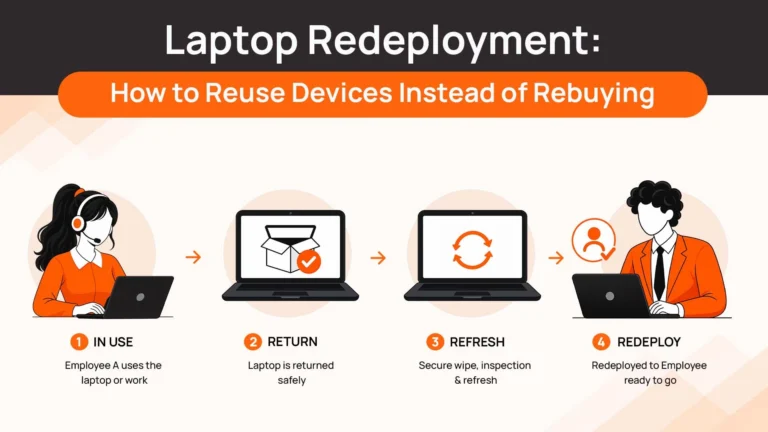
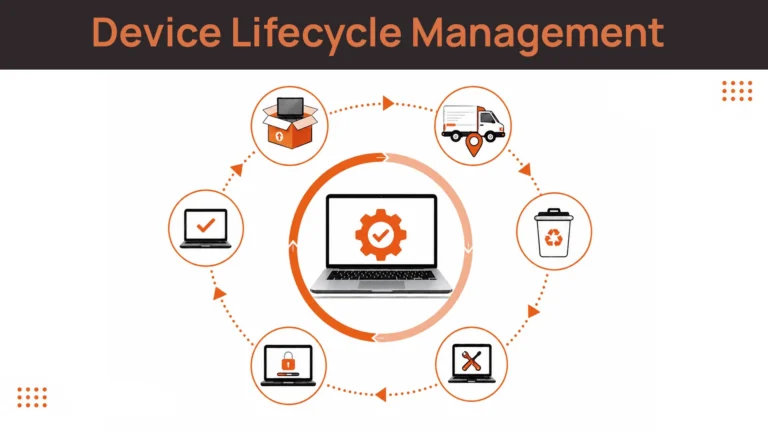
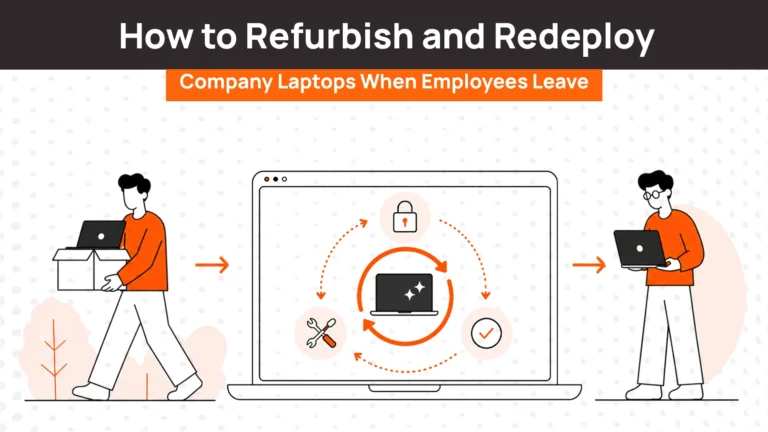
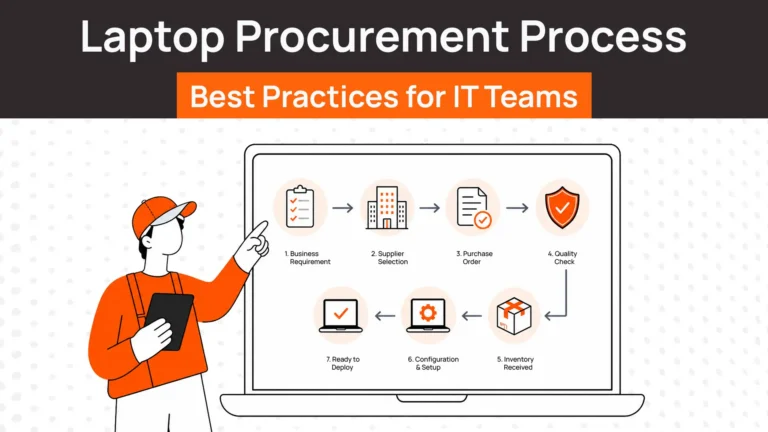
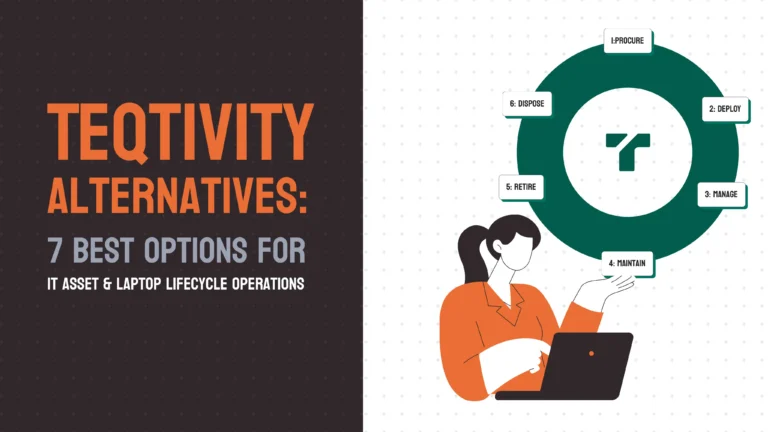
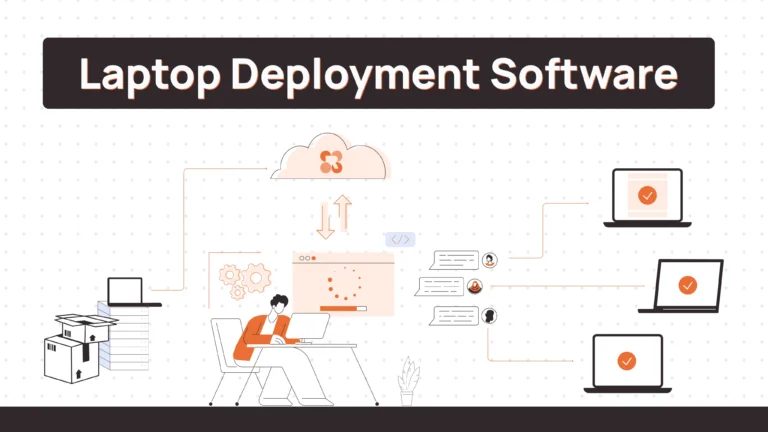
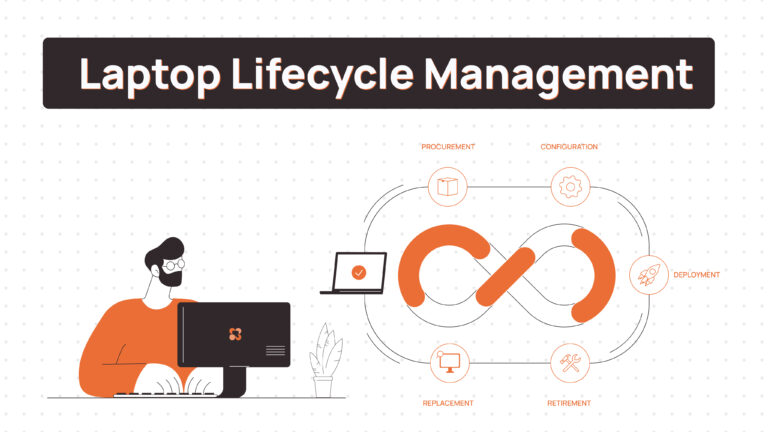
There is another category worth considering if your problem goes beyond purchasing. Device lifecycle platforms are designed around the employee device journey rather than simply the transaction of buying hardware — covering procurement, configuration, delivery, asset tracking, retrieval, redeployment, and end-of-life processing.
1. Remoasset
Remoasset takes a lifecycle approach to employee hardware, with local sourcing, procurement, deployment, tracking, and retrieval forming part of the same operating model.
The distinction from a traditional VAR is important. A VAR primarily answers: “How do we source and supply this technology?” A lifecycle platform answers a broader question: “How do we manage this device throughout its entire time with the employee?”
For a distributed organization, that can mean sourcing a laptop locally in the employee’s country, applying the required configuration, delivering it, maintaining the asset record, and coordinating retrieval when the employee leaves.
Remoasset’s strongest fit is with teams that have outgrown a purely purchasing-focused relationship and want procurement connected to the rest of the device lifecycle. It is not necessarily the right answer for a company buying 50 laptops in one country — a traditional reseller may be simpler. The value becomes more apparent when device operations are spread across multiple markets and the internal team is spending significant time coordinating suppliers and logistics. See how it compares against other lifecycle platforms on the Remoasset compare page.
2. Workwize
Workwize is positioned around IT hardware lifecycle management for distributed organizations. Its model combines procurement, device management workflows, logistics, and integrations intended to connect hardware operations with the broader employee lifecycle.
It can be relevant for teams that want a more structured IT asset workflow rather than relying entirely on traditional reseller relationships. Geographic coverage and actual service levels in the countries where your employees are located should be validated before signing a contract.
3. GroWrk
GroWrk focuses on global IT equipment logistics and lifecycle operations for distributed teams. Its model is particularly relevant for organizations where international device procurement, delivery, and recovery are already creating operational overhead. For a direct comparison, see Remoasset vs. GroWrk.
The important comparison with a VAR is again the scope of responsibility. If you only need to buy hardware, a VAR may be enough. If you need to coordinate the device from procurement through employee deployment and eventual recovery, a lifecycle provider becomes more relevant.
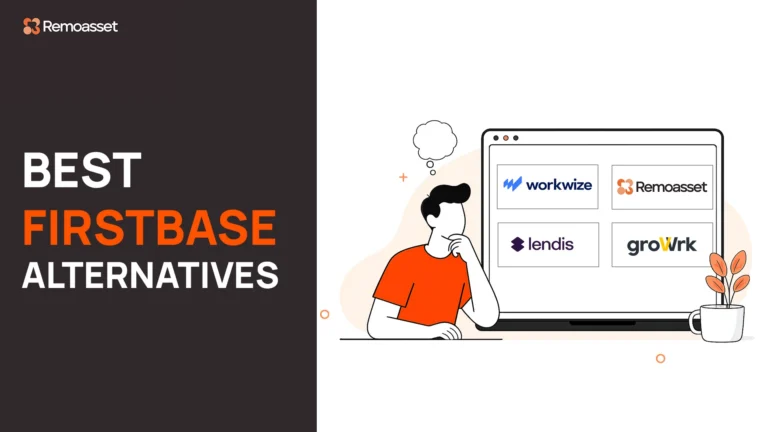
4. Firstbase
Firstbase is another device lifecycle platform focused on employee hardware operations. Its model combines hardware procurement and logistics with device lifecycle management, making it relevant to distributed and remote-first teams. For a head-to-head look at how Remoasset and Firstbase differ, see Remoasset vs. Firstbase.
The platform category has become increasingly competitive, so organizations should compare providers based on actual countries supported, procurement model, integrations, retrieval capabilities, device management, and commercial structure rather than simply comparing country-count claims.
CDW vs. Alternatives: Which Category Fits Your Team?
The most useful way to compare CDW alternatives is to start with the problem you are trying to solve.
| Requirement | Traditional VAR | Device Lifecycle Platform |
| Hardware purchasing | Strong | Strong |
| Broad technology catalog | Strong | Varies |
| Software licensing | Strong | Varies |
| Enterprise technology services | Strong | Usually more focused on devices |
| Local sourcing across countries | Depends on provider | Core capability for many platforms |
| Employee onboarding logistics | May be available as a service | Usually central to the model |
| Asset tracking | Available through services/tools | Typically built into lifecycle workflow |
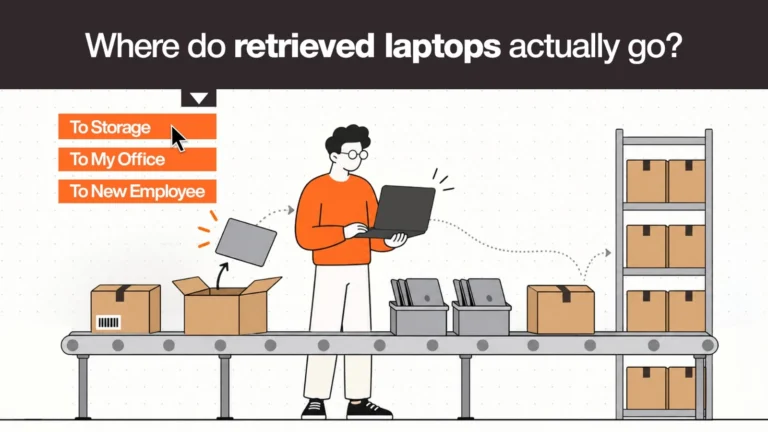
| Device retrieval | May require separate process | Core lifecycle function |
| Redeployment | Available depending on provider | Usually part of lifecycle management |
| Best fit | Centralized IT and procurement teams | Distributed/global teams managing employee devices |
Choose a traditional VAR when…
- Your workforce is concentrated in one or two countries.
- Your procurement volumes are predictable.
- You need a broad technology catalog including software licensing and infrastructure.
- Your IT team already has strong internal asset management and logistics processes.
- You also want software licensing, infrastructure, or other technology services from the same provider.
In that environment, moving from CDW to Insight, SHI, Softchoice, Connection, or another established VAR may be enough.
Consider a lifecycle platform when…
- Your employees are spread across many countries.
- Hiring happens continuously rather than in predictable annual batches.
- Your IT team spends significant time coordinating local suppliers and deliveries.
- You need procurement connected to employee onboarding.
- Retrieving devices from departing employees is a recurring operational problem.
- You want procurement, deployment, asset tracking, and retrieval to sit within one operating model.
This is where platforms such as Remoasset, Workwize, GroWrk, and Firstbase become more relevant.
What Should You Ask Before Replacing CDW?
Before switching providers, define the actual problem. A useful vendor evaluation should include:
Where are our employees located?
Do not evaluate global coverage using a generic country count. Check the specific markets where you currently hire and where you expect to hire.
How quickly can a new employee receive a device?
Look at actual delivery expectations by country rather than a single global SLA.
Who handles procurement?
Understand whether the provider purchases locally, ships internationally, or expects your team to manage part of the process.
What happens during offboarding?
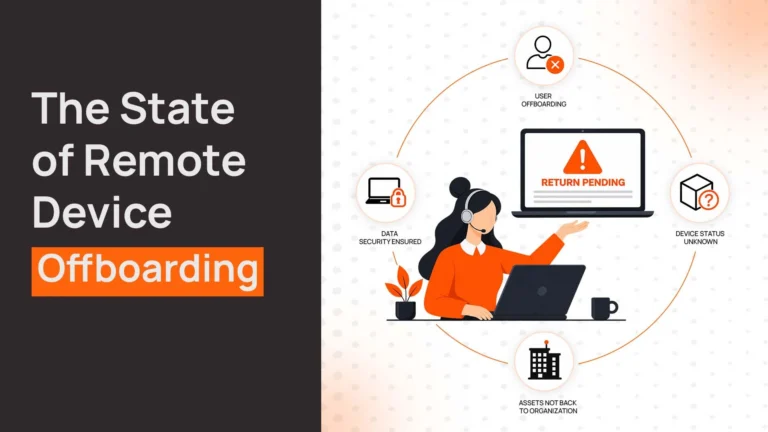
This is often overlooked during procurement. Ask who contacts the employee, arranges pickup, tracks the return, and determines what happens to the device afterward. The remote device offboarding guide covers what a complete retrieval process should include.
Where does the asset record live?
If your procurement platform, MDM, HRIS, and asset inventory all contain different versions of the same device information, changing vendors will not solve the underlying data problem.
What happens when the standard process fails?
Ask about unavailable models, urgent hires, damaged devices, international moves, and difficult retrievals. A good procurement relationship should have a clear answer for exceptions as well as standard cases.
The Best CDW Alternative Depends on What You Want to Fix
CDW remains a credible choice for organizations that need a broad technology reseller and services partner. Its current peer reviews reflect a mixed but generally positive picture: customers value its product breadth and service in many cases, while some report frustration around responsiveness, quotes, and cost.
That means there is no single best CDW alternative.
If the problem is account service, compare CDW with another VAR such as Insight, SHI, Softchoice, or Connection. If you need broader enterprise technology services, evaluate providers such as Zones or Computacenter based on your specific requirements.
If the problem is fundamentally different — managing laptops for employees across many countries — changing from one VAR to another may only move the problem around. A device lifecycle platform addresses a different layer of the operation: instead of making your team coordinate procurement, delivery, asset tracking, and retrieval through separate processes, it connects those stages into one device lifecycle.
For global teams, that distinction can matter more than the name on the purchasing agreement. If your organization has reached the point where managing employee hardware involves more coordination than the IT team should reasonably be doing, Remoasset can help consolidate local sourcing, deployment, tracking, and retrieval into one lifecycle process. Book a demo to see whether a managed device lifecycle model makes sense for your team.
Frequently Asked Questions
What companies compete with CDW?
Traditional VAR competitors include Insight, SHI, Softchoice, Connection, Zones, and Computacenter. Device lifecycle platforms such as Remoasset, Workwize, GroWrk, and Firstbase serve a related but different need — managing employee devices across the full lifecycle rather than purely as a purchasing relationship.
Is CDW good for global or remote teams?
CDW can handle international procurement in some cases, but its model is primarily designed around centralized purchasing relationships. Teams managing employees across many countries often find that a device lifecycle platform — which handles local sourcing, delivery, tracking, and retrieval in each country — addresses operational gaps that a traditional reseller relationship leaves open.
What are the downsides of using CDW?
Based on third-party reviews, the most commonly cited issues are response time variability, complexity in getting quotes, and pricing. For distributed teams, the structural limitation is that CDW is primarily a purchasing relationship — it does not typically manage the full device lifecycle including retrieval, redeployment, or end-of-life across multiple countries.
What’s the difference between a VAR like CDW and a device lifecycle platform?
A VAR (value-added reseller) is primarily focused on selling hardware and technology, often with services around that transaction. A device lifecycle platform manages the full employee device journey — procurement, configuration, deployment, asset tracking, retrieval, and redeployment — usually through a single operating model. The right choice depends on whether your gap is purchasing efficiency or end-to-end device management.