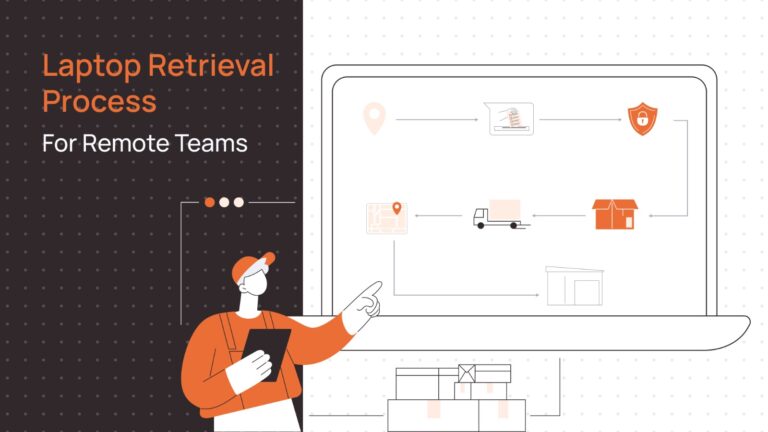
Remote employee offboarding sounds simple in theory. An employee leaves the company, returns their laptop, IT wipes the device, and operations moves on.
But for distributed teams, the reality is far more operationally complex. Devices are now spread across:
- Different countries
- Different shipping systems
- Remote employee locations
- Various compliance environments
- Multiple logistics vendors
And when retrieval processes fail, the consequences are expensive:
- Lost laptops
- Delayed recoveries
- Security risks from unmanaged devices
- Duplicate hardware purchases
- Manual coordination overhead between HR and IT
This is why more teams are searching for Remote Retrieval alternatives.
Remote Retrieval (remoteretrieval.com) solves a very specific operational problem well:
recovering laptops from remote employees inside the United States through a prepaid return-box model.
The service is lightweight, easy to start, and operationally simple for domestic retrieval workflows.
Verified public reviews consistently highlight:
- Fast setup
- Ease of use
- Time savings for IT teams
- Straightforward return coordination
For US-only teams with occasional retrieval needs, it can work well. But operational needs evolve quickly once organizations begin:
- Hiring internationally
- Managing higher laptop volume
- Scaling offboarding workflows
- Coordinating retrieval across multiple regions
- Looking for procurement + retrieval in one system
At that point, retrieval-only workflows often become limiting. This guide evaluates the best Remote Retrieval alternatives in 2026 using:
- Public product documentation
- G2 and Capterra reviews
- Reddit and IT admin discussions
- Public pricing information
- Operational workflow analysis
- Geographic coverage verification
Instead of simply comparing “retrieval features,” this article focuses on a larger operational shift happening across the industry:
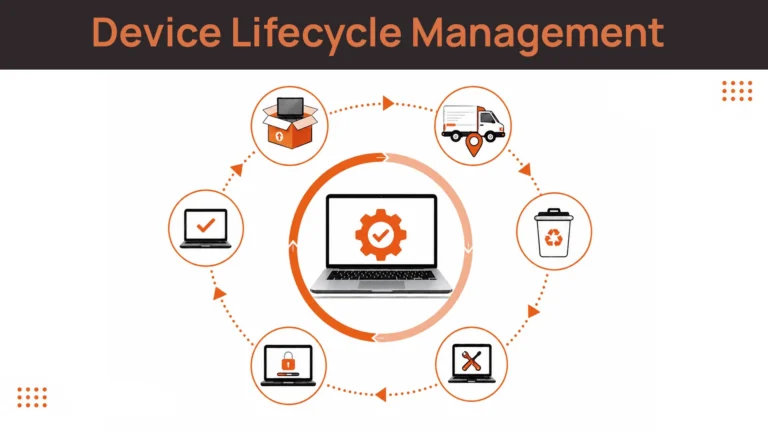
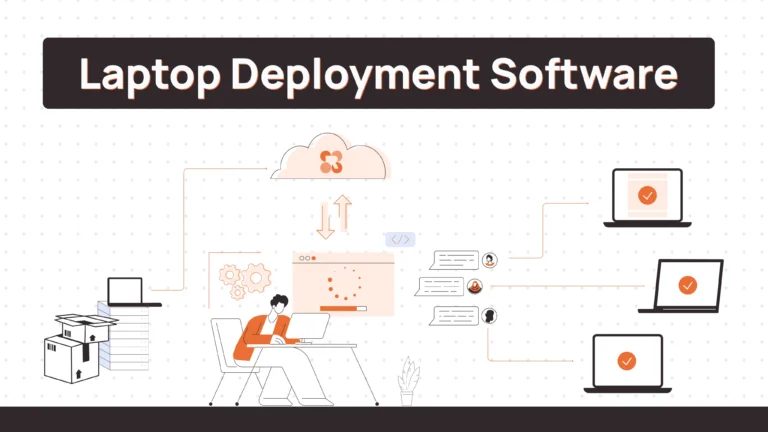
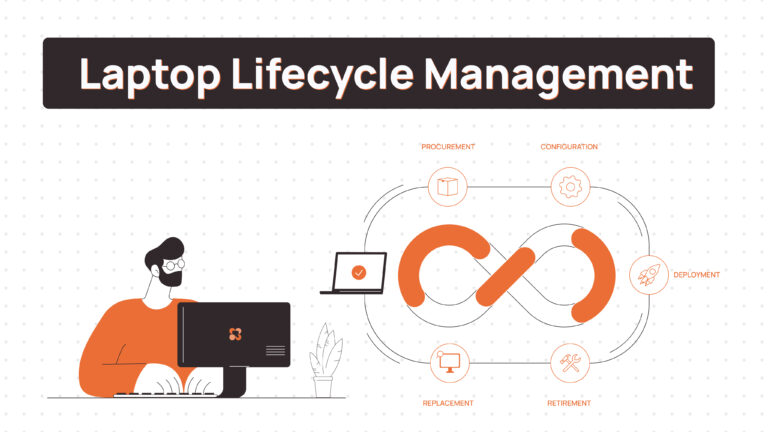
Companies are moving away from standalone retrieval vendors toward lifecycle-driven laptop operations platforms that combine:
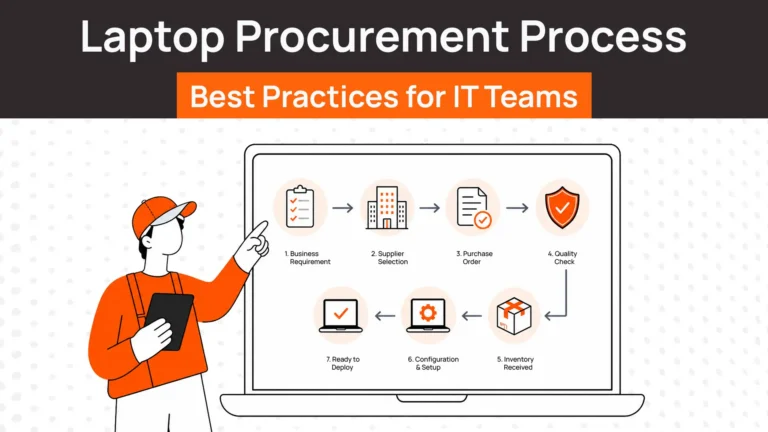
- Procurement
- Delivery
- Tracking
- Retrieval
- Storage
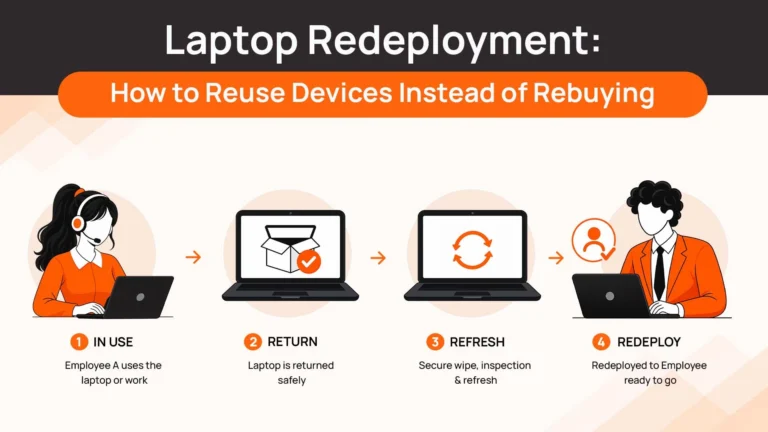
- Redeployment
Inside one operational system. Because the biggest challenge is no longer just getting laptops back. It is managing the entire laptop lifecycle efficiently across distributed teams.
What Is Remote Retrieval, and What Does It Actually Do?
Remote Retrieval is a US-based laptop return and recovery service designed primarily for remote employee offboarding workflows. The platform focuses on helping IT and HR teams recover company-owned devices such as:
- Laptops
- Monitors
- Phones
- Tablets
- Accessories
From remote employees through a prepaid shipping-kit model. Unlike full lifecycle platforms, Remote Retrieval is intentionally narrow in scope: it primarily handles device returns rather than procurement, deployment, storage, or redeployment operations.
Related Read:
- Best Laptop Retrieval Services
- Laptop Asset Management Software
- Best Laptop as a Service (LaaS) Providers
- Best Laptop Return Services for Remote Teams
- Laptop Inventory Management Software
- Laptop Lifecycle Management: A Practical Guide for Modern IT Teams
How Remote Retrieval Works
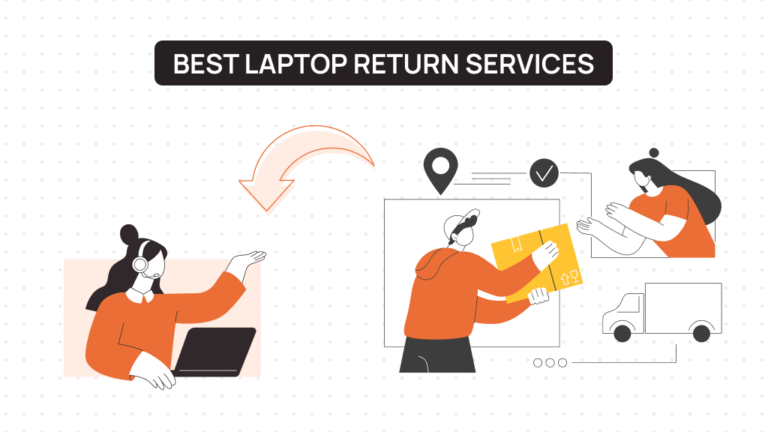
The operational workflow is relatively straightforward:
- Company submits employee and device information
- Remote Retrieval ships a padded return box with prepaid shipping label
- Employee packs and returns the equipment
- Tracking updates are shared throughout the process
- Optional add-ons like data destruction or insurance may be available
The service is operationally lightweight, which is part of its appeal for smaller US-based teams.
Remote Retrieval also offers:
- Chain-of-custody tracking
- ServiceNow integration
- Retrieval coordination support
- Return status visibility
The platform is primarily optimized for:
- Domestic US retrievals
- Occasional offboarding workflows
- Smaller operational complexity
Where Remote Retrieval Starts Becoming Limiting
While the service solves basic retrieval needs effectively, its operational boundaries become more visible as organizations scale.
Based on publicly available documentation and operational analysis, key limitations include:
- Primarily US-focused retrieval operations
- Limited international support
- No procurement workflows
- No onboarding logistics
- No storage or redeployment systems
- Limited lifecycle visibility
- Minimal HRIS automation outside select integrations
This creates a major operational distinction: Remote Retrieval solves returns.
Modern lifecycle platforms solve:
- Procurement
- Deployment
- Tracking
- Retrieval
- Storage
- Redeployment
As one connected operational workflow.
Fair acknowledgment:
Remote Retrieval remains a strong fit for US-based teams with occasional laptop return needs and limited lifecycle complexity. Most organizations searching for alternatives are typically facing scaling, geography, or lifecycle visibility challenges and not basic retrieval issues.
Why Teams Search for Remote Retrieval Alternatives
Most teams do not replace retrieval tools because the retrieval itself is broken. They replace them because their operational model evolves beyond simple laptop returns.
1. US-Only or Limited International Coverage
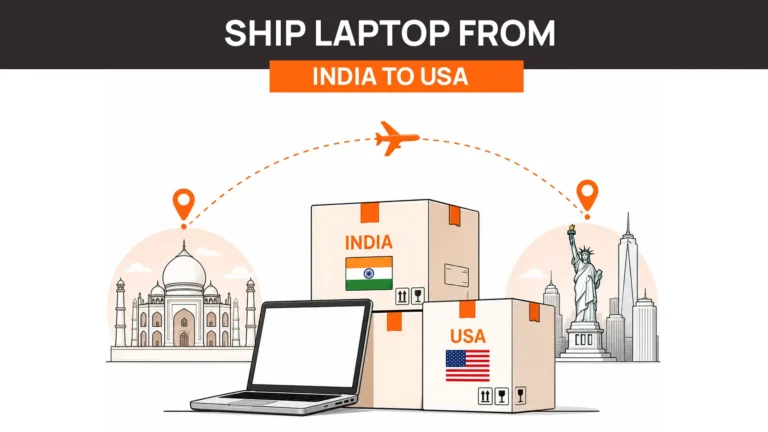
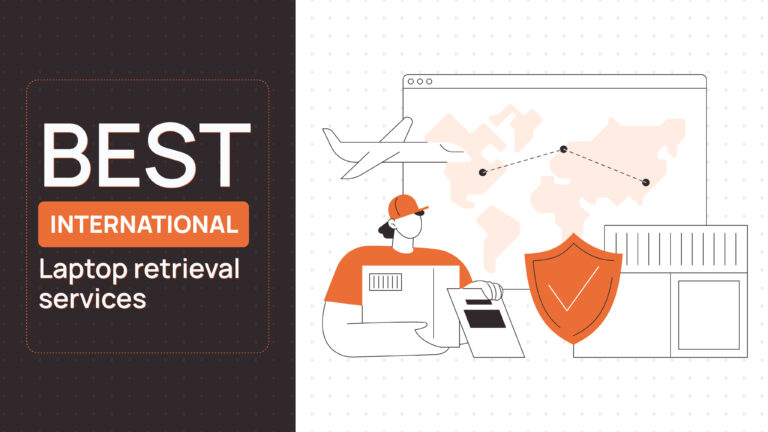
The most common reason organizations look for alternatives is geography. Modern distributed companies hire globally across:
- US
- Europe
- India
- LATAM
- Southeast Asia
- Middle East
A retrieval workflow that works domestically often breaks operationally once devices need to be recovered internationally. Cross-border retrieval introduces:
- Customs coordination
- Regional carriers
- Import/export requirements
- Local pickup infrastructure
- Country-specific operational complexity
This is where globally distributed organizations often outgrow retrieval-only services. Learn more Laptop Procurement & Retrieval Worldwide
2. Retrieval Alone Is No Longer Enough
Remote Retrieval focuses primarily on recovering devices. But many companies eventually realize that retrieval is only one operational stage inside the broader laptop lifecycle.
They also need systems for:
- Procurement
- New hire onboarding
- Device assignment
- Asset tracking
- Storage management
- Redeployment
- End-of-life coordination
Without lifecycle visibility, companies often end up operating multiple disconnected systems simultaneously.
This creates:
- Operational silos
- Higher coordination overhead
- Poor asset utilization
- Duplicate purchases
Lifecycle platforms solve this differently by connecting procurement and retrieval together operationally.
3. Manual HR and IT Coordination Creates Operational Friction
In many organizations, offboarding still involves:
- HR sending emails manually
- IT coordinating shipping separately
- Procurement tracking devices in spreadsheets
- Operations following up repeatedly
This becomes extremely difficult to scale across distributed teams. Organizations increasingly want:
- HRIS-triggered retrieval workflows
- Automated retrieval scheduling
- Real-time status visibility
- Centralized operational dashboards
Rather than manual coordination between departments.
4. Device Reuse and Cost Optimization Become Important
As hardware volumes increase, retrieval is no longer just about security. It becomes a financial efficiency problem. Without structured retrieval and redeployment:
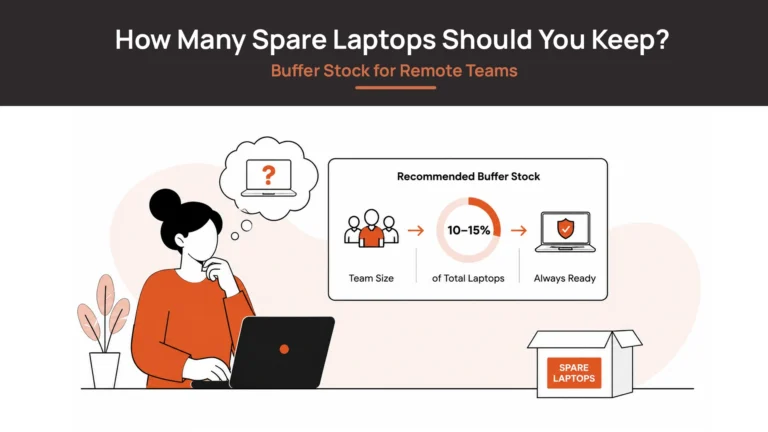
- Recoverable laptops sit idle
- New purchases increase unnecessarily
- Storage visibility disappears
- Hardware utilization declines
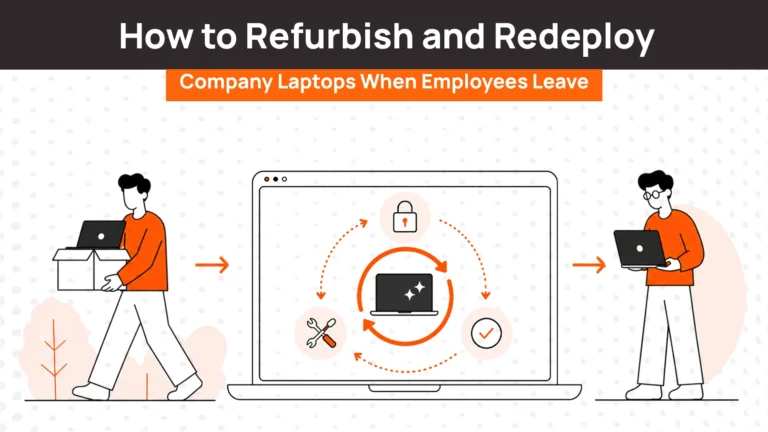
Lifecycle-first organizations increasingly optimize around:
- Recovery rates
- Redeployment speed
- Reuse efficiency
- Residual asset value
Rather than simply “getting the laptop back.”
How We Evaluated These Remote Retrieval Alternatives
To ensure this guide stayed operationally useful and not just promotional, we evaluated every platform using the same structured framework.
| Evaluation Criteria | Why It Matters |
| Geographic Coverage | Determines scalability across regions |
| Retrieval Infrastructure | Impacts recovery reliability |
| Procurement Capabilities | Important for lifecycle continuity |
| HRIS Automation | Reduces manual coordination |
| Lifecycle Visibility | Prevents operational silos |
| Security & Data Wiping | Critical during offboarding |
| Storage & Redeployment | Improves hardware utilization |
| Public Reviews & Reputation | Validates operational claims |
| Pricing Structure | Impacts scalability and predictability |
We also reviewed:
- G2 feedback
- Reddit discussions
- Vendor documentation
- Operational workflows
- Public customer positioning
To understand where each tool performs well operationally—not just where marketing claims say it does.
6 Best Remote Retrieval Alternatives in 2026
| Tool | G2 Rating* | Coverage | Retrieval Model | Procurement | Full Lifecycle | HRIS Integrations | Best For |
| RemoAsset | 4.7/5 | Multi-region | Local pickup + doorstep | ✓ | ✓ | Workday, BambooHR, ADP | Full lifecycle global operations |
| Hello Retriever | NA | US / UK / CA | Kit-based | ✗ | ✗ | Workday, Okta, Zapier | Retrieval-only operations |
| Allwhere | 4.6/5 | 48 countries | Kit + depot | ✓ | ✓ | HRIS + MDM tools | Mid-market global operations |
| Workwize | 4.4/5 | 100+ countries | Local pickup | ✓ | ✓ | HiBob, Okta, SCIM | Enterprise distributed teams |
| GroWrk | 4.2/5 | 150+ countries | Local partner network | ✓ | ✓ | HRIS + MDM integrations | Large-scale global teams |
| Quipteams | NA | 130+ countries | Local ops + depot | ✓ | ✓ | HRIS-triggered workflows | LATAM + distributed teams |
*Ratings should always be verified live before publishing.
1. RemoAsset
RemoAsset is not a retrieval-only vendor. It is a full laptop lifecycle platform designed for distributed organizations managing:
- Procurement
- Deployment
- Asset tracking
- Retrieval
- Storage
- Redeployment
Across multiple countries. This operational distinction matters because most retrieval problems actually originate earlier in the lifecycle:
- Poor asset visibility
- No ownership tracking
- Fragmented procurement systems
- Weak onboarding coordination
RemoAsset connects these operational layers into one centralized workflow.
Pros
- Strong global lifecycle coverage
- Procurement + retrieval inside one system
- HR-triggered operational workflows
- Better asset visibility across the lifecycle
- Strong redeployment and reuse operations
Limitations
- More operationally comprehensive than lightweight retrieval tools
- Best suited for distributed organizations with lifecycle complexity
Best For
Organizations needing procurement, onboarding, retrieval, and redeployment inside one operational platform.
2. Hello Retriever
Hello Retriever is one of the closest retrieval-focused alternatives to Remote Retrieval. The platform focuses heavily on:
- Employee offboarding
- Device recovery
- Return coordination
- Chain-of-custody tracking
Across US, UK, and Canadian operations.
Pros
- Retrieval-focused operational simplicity
- Better international support than Remote Retrieval
- Strong offboarding workflows
- More HRIS integrations
Limitations
- Retrieval-focused only
- No procurement workflows
- Limited lifecycle depth
Best For
Teams needing stronger retrieval infrastructure without moving into full lifecycle platforms.
Related Read: Best Hello Retriever Alternatives
3. Allwhere
Allwhere combines procurement and retrieval operations into a broader onboarding platform for distributed organizations.
The platform is often used by:
- Mid-market remote teams
- Distributed onboarding operations
- HR and IT collaboration workflows
Pros
- Procurement + retrieval capabilities
- International operational coverage
- Strong onboarding coordination
Limitations
- Less mature lifecycle depth than enterprise lifecycle platforms
- More onboarding-centric operationally
Best For
Mid-sized distributed companies improving onboarding and retrieval operations simultaneously.
Related Read: Best Allwhere Alternatives
4. Workwize
Workwize is an enterprise-focused laptop operations platform emphasizing structured lifecycle management for distributed organizations.
The platform combines:
- Procurement
- Tracking
- Retrieval
- Automation
- Compliance workflows
Inside one operational system.
Pros
- Strong lifecycle automation
- Enterprise operational maturity
- Global retrieval infrastructure
- Good compliance positioning
Limitations
- More operationally complex than lightweight tools
- Pricing may scale higher operationally
Best For
Mid-market and enterprise distributed organizations needing structured lifecycle operations.
Related Read: Best Workwize Alternatives & Competitors
5. GroWrk
GroWrk is one of the most globally expansive laptop operations platforms currently available. It focuses heavily on:
- Global procurement
- International delivery
- Retrieval operations
- IT asset disposition support
For distributed enterprise organizations.
Pros
- Very strong international coverage
- Mature logistics operations
- Strong retrieval infrastructure
Limitations
- Enterprise-oriented operational model
- Less lightweight for smaller teams
Best For
Large global organizations managing high-volume distributed operations.
Read Also:
6. Quipteams
Quipteams positions itself around operational simplicity for distributed hardware management with strong LATAM capabilities.
The platform combines:
- Procurement
- Retrieval
- Storage
- Redeployment
Inside one operational system.
Pros
- Strong LATAM operational positioning
- Lifecycle-focused workflows
- Better reuse visibility
Limitations
- Smaller operational footprint than larger global vendors
- More regionally focused positioning
Best For
Distributed teams operating across LATAM and North America.
The International Offboarding Test
This is where retrieval-only tools often break operationally.
Imagine employees leave the company from:
- India
- Germany
- Brazil
Can the platform actually retrieve devices reliably?
| Tool | India | Germany | Brazil |
| RemoAsset | Pass | Pass | Pass |
| Workwize | Pass | Pass | Pass |
| GroWrk | Pass | Pass | Pass |
| Allwhere | Partial | Pass | Partial |
| Hello Retriever | Fail | Fail | Fail |
| Remote Retrieval | Fail | Fail | Fail |
This operational reality matters more than feature lists. Because global retrieval complexity and not basic shipping is what most distributed organizations struggle with operationally.
Which Remote Retrieval Alternative Is Right for Your Team?
“We only need simple US retrieval workflows”
Stick with Remote Retrieval or evaluate Hello Retriever. If your organization:
- Operates primarily in the US
- Handles occasional offboarding
- Does not need procurement or storage
- Already manages lifecycle internally
A lightweight retrieval tool may be enough operationally.
“We need retrieval plus onboarding support”
Allwhere is a logical middle ground. It expands beyond retrieval into onboarding and procurement without requiring a full enterprise lifecycle transformation.
Best for:
- Mid-market remote teams
- Distributed onboarding operations
- Moderate international hiring
“We need full lifecycle operations globally”
This is where lifecycle platforms like:
- RemoAsset
- Workwize
- GroWrk
Become significantly stronger operationally. These platforms solve:
- Procurement
- Delivery
- Tracking
- Retrieval
- Redeployment
Inside one connected operational system. That operational continuity becomes increasingly valuable at scale.
Final Thoughts
Remote Retrieval solves a real operational problem effectively: recovering laptops from remote employees inside domestic workflows.
But distributed operations are evolving quickly. Modern organizations increasingly need:
- Procurement visibility
- Global delivery
- Retrieval automation
- Lifecycle tracking
- Redeployment workflows
- Operational consistency across regions
This is why the market is shifting away from standalone retrieval vendors toward lifecycle-driven laptop operations platforms.
For organizations operating internationally, retrieval alone is rarely the long-term operational challenge.
Lifecycle coordination is. And that is where platforms like RemoAsset increasingly stand out and not because they “retrieve laptops better,” but because they connect procurement, onboarding, retrieval, storage, and redeployment into one operational system for distributed teams.