Managing IT operations across distributed teams has become significantly more complicated over the last few years.
What used to be a relatively centralized process that is ordering laptops, assigning software, provisioning access, and handling offboarding inside one office, now happens across countries, time zones, vendors, and remote employee locations.
And as complexity increases, operational cracks become more visible:
- Delayed laptop deliveries
- Poor visibility into assigned assets
- Manual onboarding coordination
- Disconnected SaaS provisioning
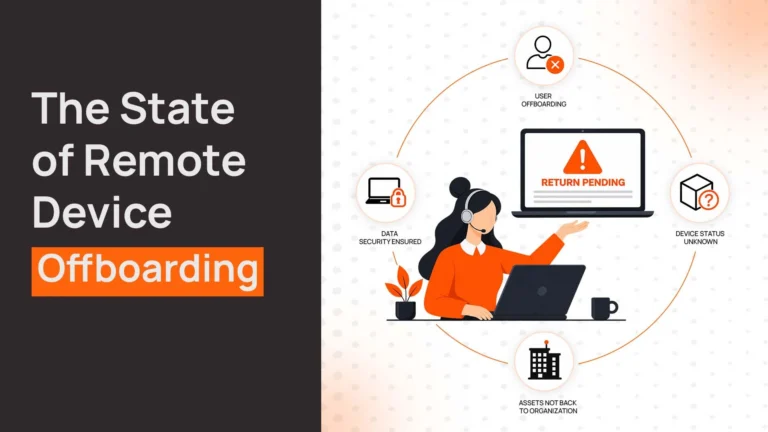
- Retrieval failures during offboarding
- Rising operational costs across multiple vendors
This is one reason why many teams start evaluating ZenAdmin alternatives. ZenAdmin positions itself as an all-in-one IT operations platform combining:
- Laptop lifecycle management
- SaaS administration
- Identity and access management
- Procurement workflows
- Employee onboarding/offboarding support
Inside one operational system. For many growing companies, that operational consolidation is genuinely valuable. But as organizations scale globally, buyers often begin reassessing whether ZenAdmin is still the right fit operationally.
Common triggers include:
- Pricing opacity
- Global logistics complexity
- Operational coordination overhead
- Procurement and retrieval scaling issues
- Workflow automation gaps
- Need for stronger lifecycle execution
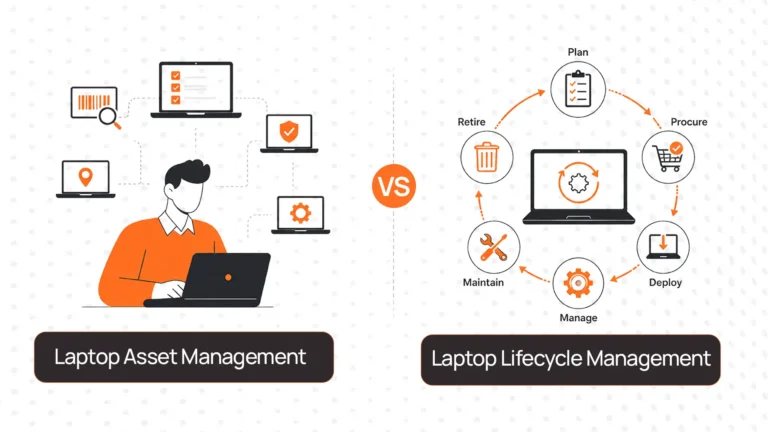
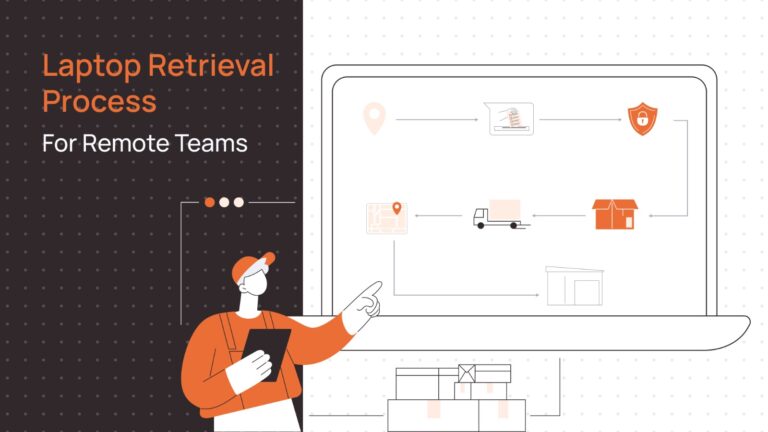
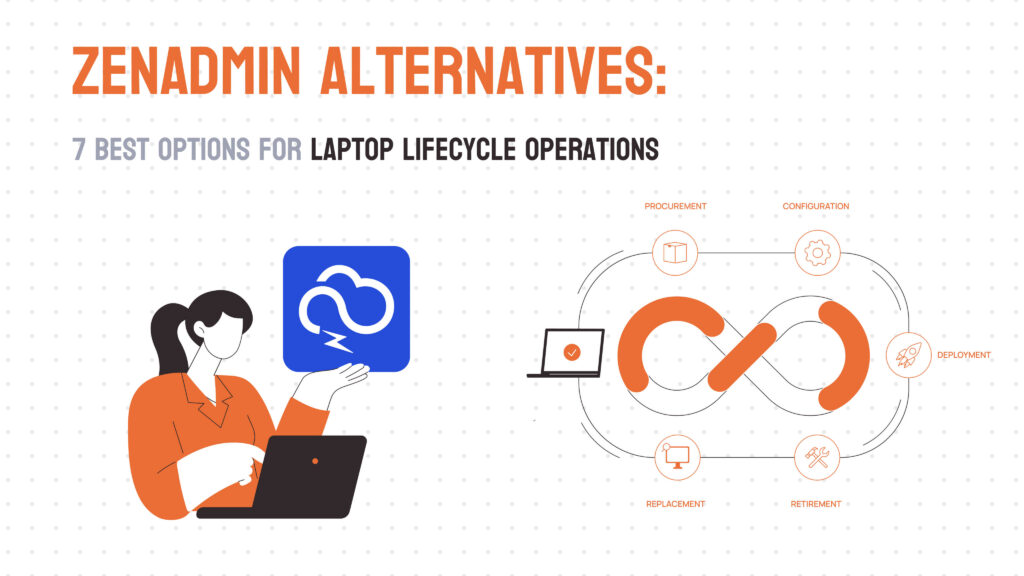
This matters because the operational challenge itself is changing. The problem is no longer just “managing IT assets.” It is executing the entire laptop lifecycle efficiently across distributed teams:
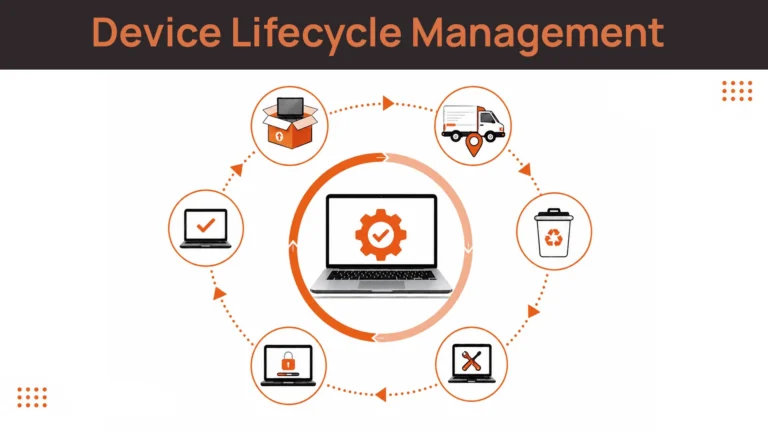
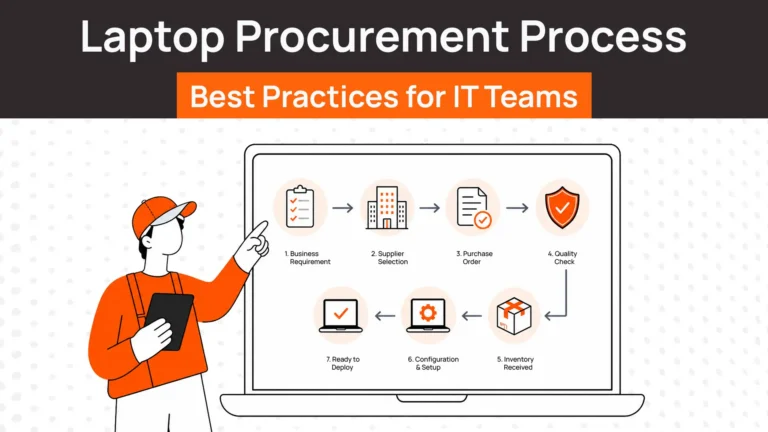
- Procurement
- Delivery
- Assignment
- Tracking
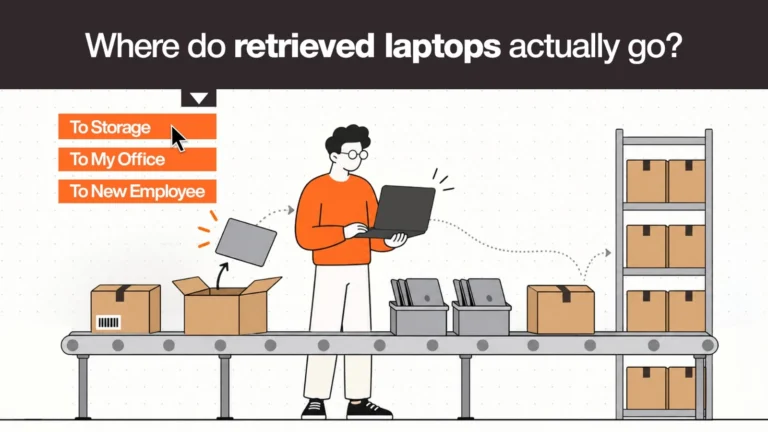
- Retrieval
- Storage
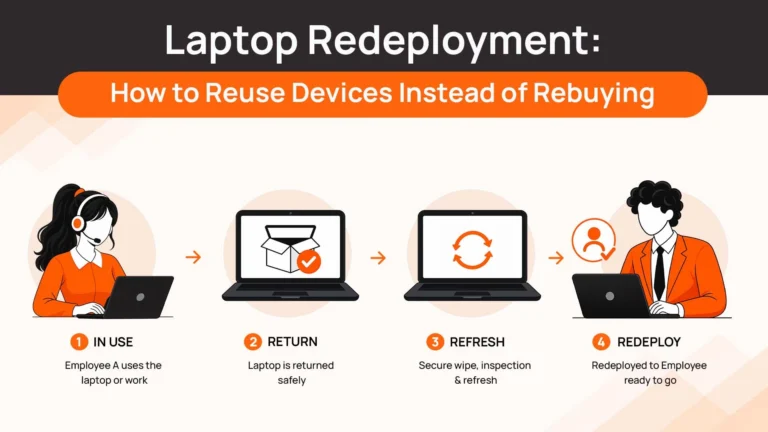
- Redeployment
To help buyers evaluate the market properly, we analyzed 14+ platforms across:
- Global laptop operations
- SaaS administration
- Lifecycle execution
- Automation depth
- Pricing transparency
- HRIS integrations
- G2 and Capterra reviews
- Public operational positioning
This guide breaks down:
- What ZenAdmin actually does well
- Why teams search for alternatives
- Which platforms solve specific operational gaps best
- How different categories of tools compare in practice
Because not every team looking for a ZenAdmin alternative actually needs the same type of platform.
What Is ZenAdmin?
ZenAdmin is an IT operations and lifecycle management platform designed for distributed companies managing both hardware and software operations globally. The platform combines several operational layers inside one system:
- Laptop procurement
- Device deployment
- Retrieval coordination
- SaaS administration
- Identity and access management
- Employee onboarding/offboarding workflows
ZenAdmin is particularly positioned toward companies wanting to centralize operational ownership across IT, HR, and procurement teams.
What ZenAdmin Does Well
One of ZenAdmin’s strongest differentiators is breadth. Unlike traditional IT asset tools that focus only on inventory visibility, ZenAdmin attempts to unify:
- Hardware lifecycle operations
- SaaS administration
- Identity provisioning
- Workflow automation
Inside one platform. Publicly available product documentation highlights capabilities such as:
- Procurement and retrieval across 150+ countries
- SaaS license tracking and optimization
- HRIS and identity-provider integrations
- Automated onboarding/offboarding workflows
- Global IT support coverage
- WebStore device ordering workflows
- Compliance positioning around ISO 27001 and GDPR
Operationally, this makes ZenAdmin attractive for organizations trying to reduce fragmentation across:
- IT systems
- Procurement tools
- SaaS management
- Identity workflows
Rather than operating them separately.
Pricing Reality and Operational Trade-Offs
ZenAdmin does not publicly list pricing on its website at the time of writing. This creates a common evaluation challenge for buyers: budget predictability.
Several third-party sources reference custom quote-based pricing structures, while review summaries across public platforms repeatedly mention:
- Enterprise-oriented pricing
- Sales-led procurement
- Cost scaling concerns at higher employee counts
This does not automatically make ZenAdmin expensive. But it does introduce friction for:
- Smaller IT teams
- Budget-sensitive organizations
- Teams comparing vendors operationally before sales engagement
Another operational consideration is category overlap. Because ZenAdmin spans:
- SaaS management
- IAM
- Procurement
- Laptop operations
Some teams eventually realize they are paying for operational layers they do not fully use. Others discover they need stronger execution infrastructure around:
- Global retrievals
- Procurement coordination
- Cross-border logistics
- Device redeployment
Rather than broader IT visibility alone. That distinction becomes important when evaluating alternatives.
Why Buyers Look for ZenAdmin Alternatives
Most organizations searching for alternatives are not abandoning ZenAdmin because it “doesn’t work.” They are usually hitting operational scaling boundaries or category mismatches.
1. Pricing Opacity Creates Budgeting Friction
One of the most common buyer frustrations around ZenAdmin is the lack of transparent public pricing. For procurement and finance teams, this creates operational uncertainty during evaluation:
- Difficult vendor comparisons
- Longer budgeting cycles
- Sales dependency before qualification
- Limited predictability at scale
This becomes especially relevant for distributed companies managing:
- Hundreds of devices
- Multi-region procurement
- Retrieval operations across countries
Teams increasingly prefer:
- Predictable operational pricing
- Public lifecycle cost visibility
- Usage-aligned models
Rather than fully sales-led procurement processes.
2. Managing Assets Is Different From Executing Operations
ZenAdmin provides centralized visibility across IT operations. But many distributed teams discover that visibility alone does not eliminate operational work. There is an important difference between:
- Tracking a device inside a dashboard
vs. - Actually sourcing, shipping, retrieving, storing, and redeploying it globally
This creates what many IT teams describe as the “execution gap.” Even with centralized systems, internal teams may still coordinate:
- Local vendors
- Regional shipping providers
- Retrieval logistics
- Storage operations
- Device redeployment workflows
Lifecycle-first platforms attempt to solve this differently by operationalizing execution itself.
3. Global Logistics Become Increasingly Complex
As companies hire internationally, device operations become operationally heavier:
- Customs delays
- Local procurement inconsistencies
- Regional warranty limitations
- Country-specific shipping regulations
- Vendor fragmentation across geographies
Many organizations initially manage this manually through regional vendors and spreadsheets. But operational overhead compounds quickly as employee count scales globally.
This is one reason lifecycle-focused procurement and retrieval platforms are becoming increasingly attractive.
4. Automation Gaps Still Create Operational Overhead
ZenAdmin supports automation across multiple IT workflows. However, operational feedback across review ecosystems and buyer discussions frequently points to implementation and coordination complexity as companies scale.
This often appears in areas such as:
- Cross-system workflow dependencies
- Regional operational coordination
- Procurement execution
- Retrieval logistics management
- Multi-vendor operations
The challenge is not simply “having automation.” It is having automation connected to operational execution. That distinction increasingly shapes how teams evaluate alternatives.
These gaps often push teams to not just switch tools but switch categories entirely, depending on whether they need better management visibility, stronger automation, or end-to-end lifecycle execution.
How We Selected These ZenAdmin Alternatives
To avoid generic vendor rankings, every platform was evaluated using the same operational framework.
| Evaluation Criteria | Why It Matters |
| Asset & SaaS Management | Core ZenAdmin use case |
| Procurement & Deployment | Critical for onboarding operations |
| Retrieval & Redeployment | Impacts lifecycle efficiency |
| HRIS & Automation Depth | Reduces operational coordination |
| Global Coverage | Essential for distributed teams |
| Pricing Transparency | Major buyer friction area |
| Operational Execution | Visibility alone is not enough |
| Public Reviews & Reputation | Real-world operational validation |
We also reviewed:
- G2 feedback
- Reddit IT admin discussions
- Public vendor documentation
- Procurement workflows
- Operational lifecycle positioning
To understand which platforms solve which operational problems best.
7 Best ZenAdmin Alternatives in 2026
| Platform | G2 Rating* | Countries | Full Lifecycle | SaaS Mgmt | Transparent Pricing | Best For |
| ZenAdmin | 4.8 | 150+ | ✓ | ✓ | ✗ | All-in-one IT + SaaS operations |
| RemoAsset | 4.7 | 80+ | ✓ | ✗ | ✓ | Global procurement + retrieval |
| Workwize | 4.4 | 100+ | ✓ | ✗ | Partial | Mid-market lifecycle operations |
| GroWrk | 4.2 | 150+ | ✓ | ✗ | Partial | Enterprise global device ops |
| Rippling IT | NA | Global | ✓ | ✓ | Partial | HR + IT unified operations |
| Firstbase | 4.8 | 150+ | ✓ | ✗ | Partial | Compliance-heavy teams |
| Esevel | 4.6 | APAC-focused | ✓ | ✗ | Partial | Regional distributed teams |
| Deel IT / Hofy | NA | 120+ | ✓ | Partial | Partial | Deel ecosystem users |
*Ratings should always be verified live before publishing.
1. RemoAsset
RemoAsset focuses specifically on global laptop lifecycle operations rather than broad SaaS or IAM administration. The platform combines:
- Procurement
- Delivery
- Asset tracking
- Retrieval
- Storage
- Redeployment
Inside one operational workflow for distributed teams. This operational specialization makes RemoAsset particularly attractive for organizations where the biggest bottleneck is execution rather than visibility.
What It Replaces in ZenAdmin
- Procurement coordination across regions
- Manual retrieval logistics
- Vendor fragmentation
- Device redeployment gaps
Limitations
- Less SaaS administration depth than ZenAdmin
- Not designed as a full IAM platform
Best For
Teams prioritizing global laptop procurement, retrieval, and lifecycle execution.
2. Workwize
Workwize positions itself around structured lifecycle operations for distributed companies managing hardware globally. The platform emphasizes:
- Procurement
- Onboarding logistics
- Asset visibility
- Retrieval workflows
With strong automation around operational coordination.
What It Replaces in ZenAdmin
- Device logistics complexity
- Manual onboarding workflows
- Fragmented procurement operations
Limitations
- Limited SaaS administration capabilities
- More hardware-focused operationally
Best For
Mid-market organizations wanting structured laptop lifecycle operations without broader SaaS overhead.
Related Read: Best Workwize Alternatives & Competitors
3. GroWrk
GroWrk is one of the strongest global logistics-focused alternatives in the market. Its operational positioning centers around:
- International procurement
- Device delivery
- Retrieval operations
- IT asset disposition workflows
Across large distributed teams.
What It Replaces in ZenAdmin
- Global logistics coordination
- International vendor fragmentation
- Regional procurement complexity
Limitations
- Enterprise-oriented operational structure
- Less SaaS administration depth
Best For
Large distributed organizations prioritizing international hardware execution.
Read Also:
4. Rippling IT
Rippling is the closest category match to ZenAdmin operationally because it combines:
- HR
- Payroll
- IT operations
- Identity management
- Device management
Inside one operational ecosystem.
What It Replaces in ZenAdmin
- SaaS administration
- Identity workflows
- Employee lifecycle automation
Limitations
- Can become operationally broad and complex
- Device logistics are not its strongest differentiator
Best For
Larger organizations wanting unified HR + IT operations.
5. Firstbase
Firstbase focuses heavily on onboarding, retrieval, and compliance-oriented hardware operations. The platform is particularly strong operationally around:
- Equipment delivery
- Retrieval coordination
- Device compliance workflows
For distributed organizations.
What It Replaces in ZenAdmin
- Offboarding coordination
- Retrieval execution
- Compliance-focused hardware operations
Limitations
- Less SaaS and IAM depth
- More operations-focused than IT-governance-focused
Best For
Compliance-heavy teams managing distributed onboarding and retrieval.
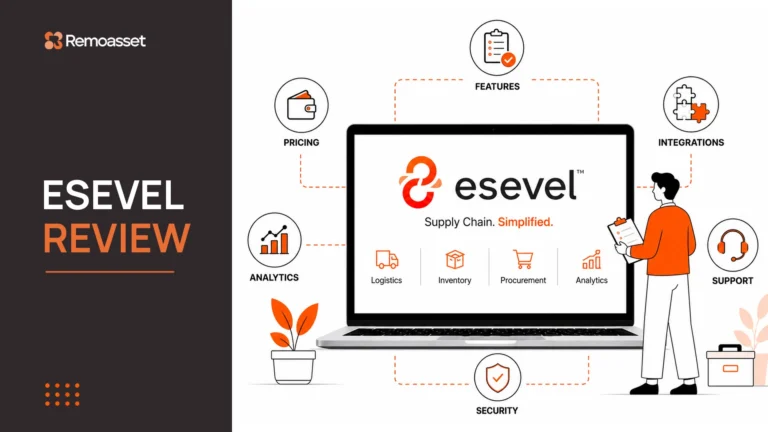
6. Esevel
Esevel focuses on APAC-region distributed IT operations with emphasis on:
- Procurement
- Device support
- Employee onboarding
- Regional lifecycle workflows
Its regional specialization makes it attractive for APAC-heavy organizations.
What It Replaces in ZenAdmin
- APAC procurement coordination
- Regional vendor management
- Distributed onboarding support
Limitations
- Smaller international footprint
- Less enterprise operational scale globally
Best For
Companies primarily operating across APAC regions.
Read Also: Best Esevel Alternatives
7. Deel IT / Hofy
Deel IT and Hofy combine HR ecosystem integrations with hardware provisioning workflows. The platform is commonly evaluated by organizations already operating inside Deel’s hiring and payroll ecosystem.
What It Replaces in ZenAdmin
- HR-connected onboarding workflows
- International equipment provisioning
- Employee lifecycle coordination
Limitations
- Less operational depth around retrieval and redeployment
- More onboarding-centric operationally
Best For
Distributed companies already standardized on Deel for global hiring.
Which ZenAdmin Alternative Is Right for You?
The right alternative depends on which operational problem you are actually trying to solve. Because not every team evaluating ZenAdmin needs the same category of platform.
If Pricing Transparency Is Your Biggest Concern
→ RemoAsset or Workwize
These platforms generally provide more predictable lifecycle-oriented pricing structures and clearer operational scoping.
This helps teams:
- Budget procurement more accurately
- Predict retrieval costs better
- Avoid operational pricing ambiguity at scale
Particularly important for fast-growing distributed organizations.
If Your Main Problem Is Device Logistics & Execution
→ RemoAsset, GroWrk, or Firstbase
These platforms focus far more heavily on operational execution:
- Procurement
- Delivery
- Retrieval
- Storage
- Redeployment
Rather than visibility alone. This becomes critical when:
- Employees span multiple countries
- Retrieval rates matter financially
- IT coordination overhead becomes expensive
RemoAsset is particularly strong here for organizations wanting procurement and retrieval connected operationally rather than managed through separate vendors.
If You Need Full-Stack IT + SaaS + IAM Operations
→ Rippling
Rippling is the closest functional replacement for ZenAdmin’s broader operational footprint. Best suited for organizations wanting:
- HR
- IT
- Payroll
- Identity
- SaaS administration
Inside one ecosystem.
If You Only Need Asset Tracking
→ Snipe-IT or Asset Panda
Some organizations evaluating ZenAdmin realize they do not actually need:
- Procurement execution
- Retrieval operations
- SaaS administration
And simply require:
- Inventory visibility
- Asset records
- Basic ITAM functionality
These platforms fit that narrower operational need better.
If You Want Lifecycle Operations Without SaaS Complexity
→ Workwize or RemoAsset
Some organizations prefer separating:
- SaaS management
from - Laptop lifecycle operations
To reduce:
- Platform complexity
- Operational overlap
- Cost sprawl
These platforms focus specifically on laptop operations execution.
Finding the Right Operational Fit Matters More Than Feature Count
ZenAdmin works well for organizations trying to centralize:
- IT operations
- SaaS administration
- Identity workflows
- Device management
Inside one operational platform. But as distributed operations scale, the challenge shifts. The biggest operational problem is no longer visibility alone.
It becomes execution:
- Procuring devices globally
- Delivering laptops efficiently
- Recovering hardware reliably
- Managing redeployment workflows
- Reducing operational overhead across regions
That is why many organizations are no longer simply replacing one IT management tool with another. They are choosing different operational categories entirely:
- Full-stack IT platforms
- Lifecycle operations systems
- Procurement-focused infrastructure
- Retrieval-first workflows
The best choice depends on which operational bottleneck is slowing your team down most today.