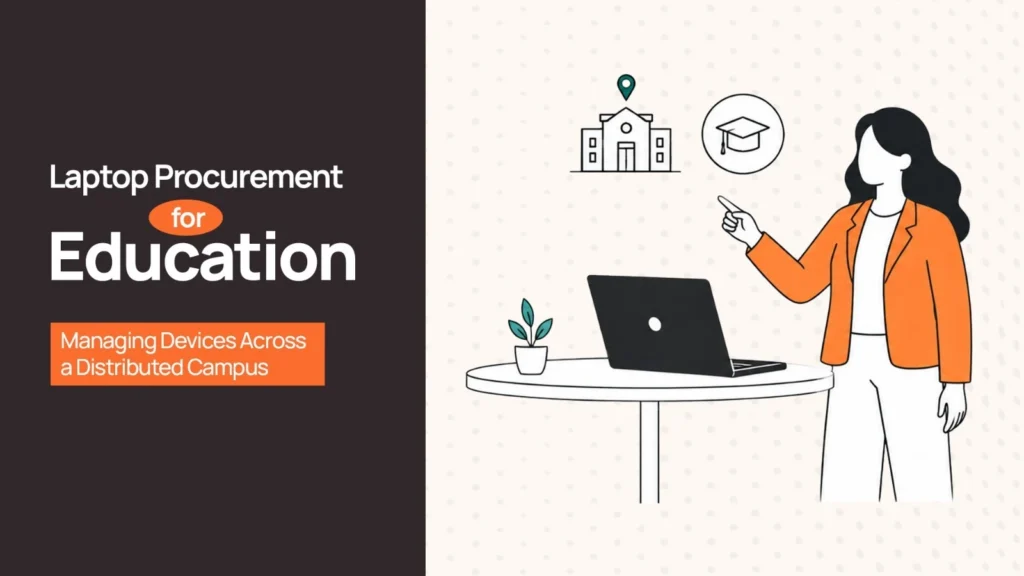
Managing laptops in education has become far more complex than purchasing devices at the beginning of an academic year. Universities now support faculty working remotely, students learning across hybrid programs, research teams spread across campuses, and international exchange cohorts who may never visit a central IT desk.
That is what makes laptop procurement for education fundamentally different from procurement in most other industries. Unlike corporate environments where security is usually the dominant priority, education teams must balance operational efficiency with privacy obligations under FERPA while also meeting content filtering responsibilities tied to CIPA in applicable K-12 environments. These are not opposing goals, but they do require thoughtful planning before a device ever reaches a student, teacher, or faculty member. This is the third piece in our vertical compliance series — the same device-lifecycle thinking applied here also appears in our HIPAA laptop procurement guide for healthcare and our financial services compliance guide covering GLBA and PCI DSS, but education’s compliance challenge has a genuinely different shape: two federal frameworks pulling in opposite directions at once.
The Two Rules Pulling in Different Directions
Education is one of the few sectors where IT teams are regularly asked to increase device oversight while simultaneously limiting unnecessary access to student information. That balance comes primarily from two very different regulatory frameworks.
FERPA: Protecting Student Education Records
The Family Educational Rights and Privacy Act protects the privacy of student education records and requires institutions to use reasonable administrative, physical, and technological controls to ensure those records are only accessible to individuals with a legitimate educational interest. Importantly, FERPA is focused on protecting student information rather than prescribing a specific laptop configuration or software stack. What it does mean for procurement is that the device and its management configuration should not create unnecessary exposure of student data — and the institution should be able to demonstrate appropriate controls.
CIPA: Content Filtering Tied to Funding
The Children’s Internet Protection Act applies differently. It is closely connected to schools and libraries that receive E-Rate funding and requires those institutions to implement internet safety measures, including technology protection measures that filter or block access to harmful online content for minors. In practice, this means many K-12 IT teams deploy content filtering and monitoring tools as part of their device management strategy. The challenge is that this monitoring has to be scoped narrowly enough to avoid unnecessary collection of student data that FERPA protects.
State privacy laws add another layer
Federal law is only one layer of the privacy landscape. Student privacy obligations increasingly include state-level legislation across dozens of US states, with some stricter than either FERPA or CIPA. The exact obligations vary by jurisdiction, so institutions should always align procurement and device policies with their own legal and compliance guidance rather than relying solely on federal standards.
What Changes When Devices Are Managed Across a Distributed Campus
A single-campus university can often rely on one IT service desk, one storage room, and one procurement office. A distributed campus cannot. Modern institutions increasingly operate across multiple physical campuses, satellite learning centers, online programs, hybrid faculty arrangements, research partnerships, and international student cohorts. As a result, the assumption that every laptop will pass through one central IT office no longer reflects reality.
Devices need to arrive pre-configured
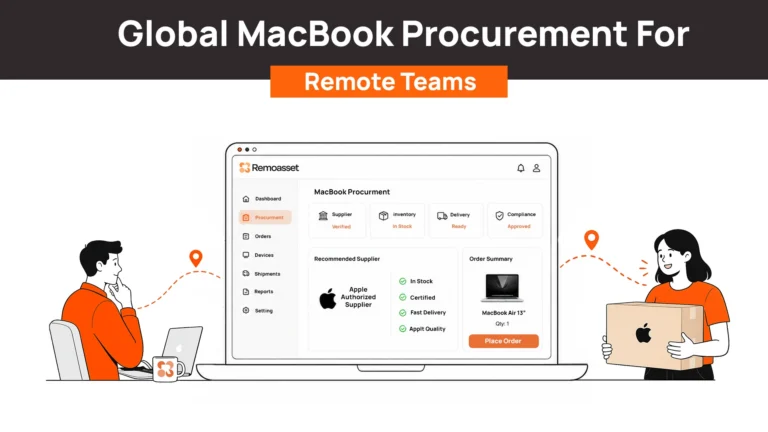
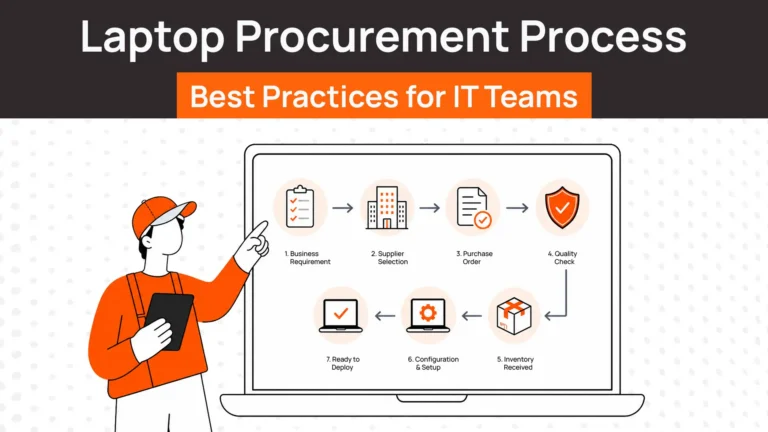
When a faculty member joins remotely or a student begins an online program from another city, shipping a blank laptop creates additional setup work that falls on the user. The better operational approach is ensuring the device already arrives prepared according to institutional standards. For Apple environments, Apple School Manager allows institution-owned Apple devices purchased through eligible channels to be assigned into device management during deployment — enrolling into an MDM environment during activation rather than requiring IT to physically configure every device first. The principles behind making this work reliably are covered in our zero-touch deployment readiness checklist, which applies directly to education environments.
A real institutional example: Northeastern University
Northeastern University redesigned its procurement process for university-managed computers to support faculty and staff working remotely. Rather than allowing every purchase to follow a different path, Northeastern standardized a limited selection of approved Windows and macOS devices through a centralized request process. Those approved devices could be shipped directly to the recipient’s preferred address and arrived ready for use with support and warranty services attached. Devices purchased outside that streamlined process required additional manual coordination. The lesson is broader than one university: standardization reduces operational friction. When procurement, configuration, support, and delivery are connected, distributed users receive a more predictable experience while IT spends less time coordinating exceptions.
Higher Education and K-12 Follow Different Operating Models
Although schools and universities both manage large device fleets, their operational patterns are quite different. Treating them as identical often leads to procurement processes that fit neither particularly well.
Higher education operates more like distributed workforce IT
Universities typically manage devices for a mixed population that includes faculty, researchers, administrative staff, postgraduate students, and in some cases undergraduate learners enrolled in institution-provided technology programs. Individual devices are assigned to named users, delivery may happen directly to home or campus addresses, support follows the employee or student rather than the classroom, and retrieval also becomes more individualized when faculty leave or research projects conclude. This is why many higher education IT teams benefit from centralized procurement policies combined with decentralized delivery and lifecycle operations.
K-12 follows a cohort-based lifecycle
K-12 institutions usually operate differently. Many districts run structured 1:1 device programs, where laptops or tablets are issued to students for an academic year and collected during scheduled distribution and return periods. Instead of onboarding one faculty member every few days, IT teams may distribute thousands of devices over a short window before the school year begins. The operational priorities therefore shift toward large batch procurement, classroom-ready configurations, shared-device management where required, annual collection events, and summer refresh and repair cycles.
Refresh Cycles and What Happens at End of Life
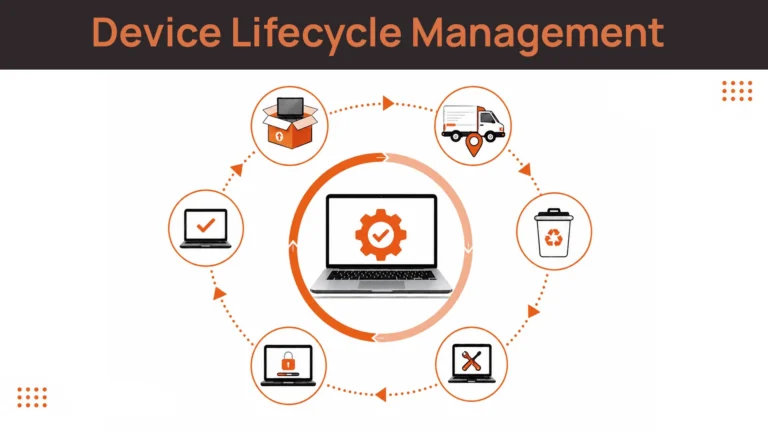
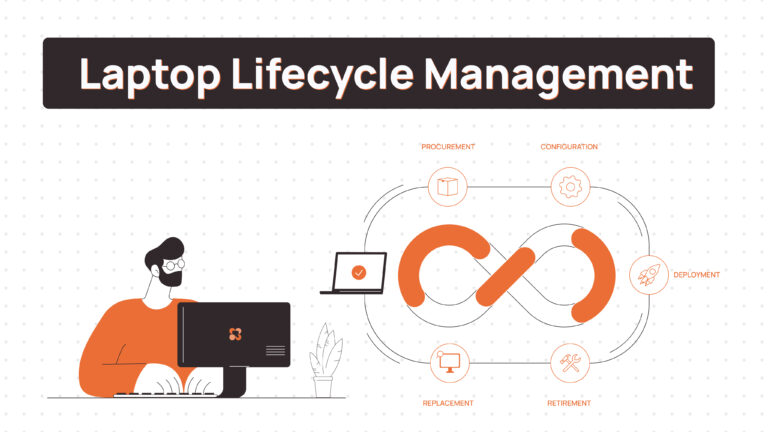
Every educational device eventually reaches the point where it must be repaired, redeployed, refurbished, or retired. Many institutions only begin discussing refresh strategy once devices are already aging, which creates budget pressure and operational disruption simultaneously. A stronger procurement model plans refresh expectations before the initial purchase.
Industry discussions around school device lifecycle management commonly emphasize structured refresh planning rather than reactive replacement, particularly for large K-12 fleets where devices are managed across recurring academic cycles. Rather than assuming every laptop follows the same lifespan, institutions should evaluate warranty coverage, battery health trends, performance requirements by role, software compatibility, repair history, and expected redeployment opportunities.
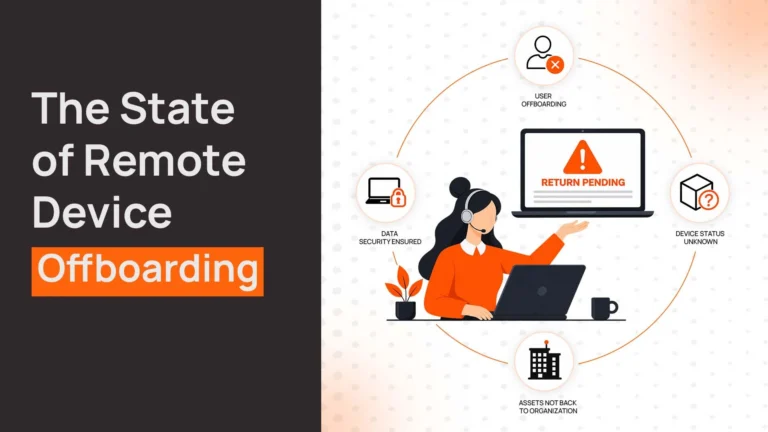
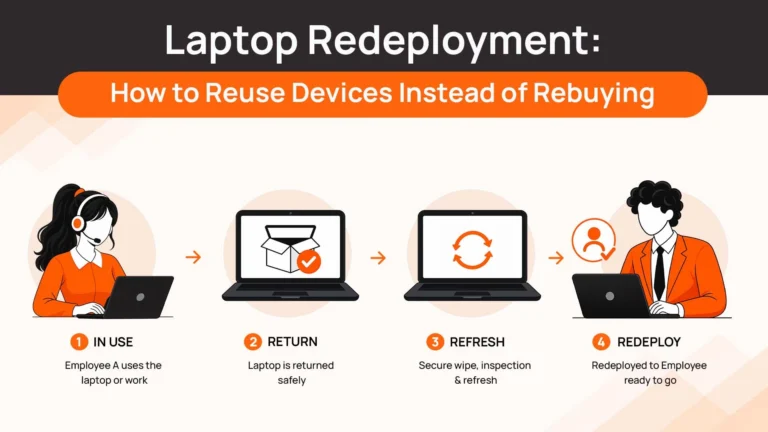
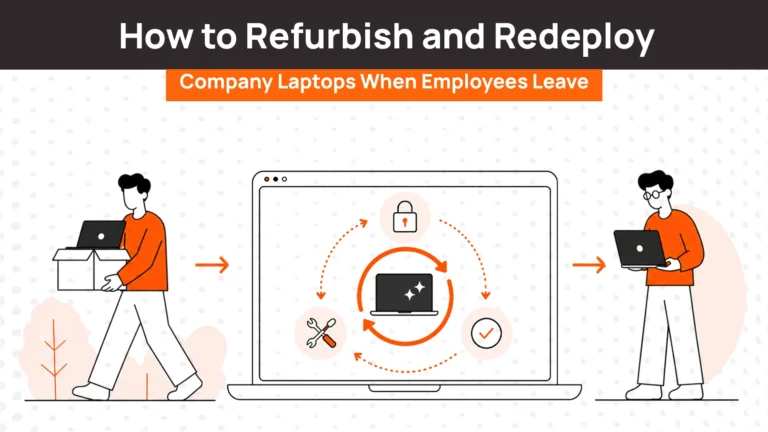
A laptop returned from one graduating cohort may still be perfectly suitable for another student after secure data wiping, grading, and refurbishment. That lifecycle thinking — reusing returned devices rather than defaulting to replacement — often produces better long-term financial outcomes and connects procurement planning to end-of-life decisions from the start.
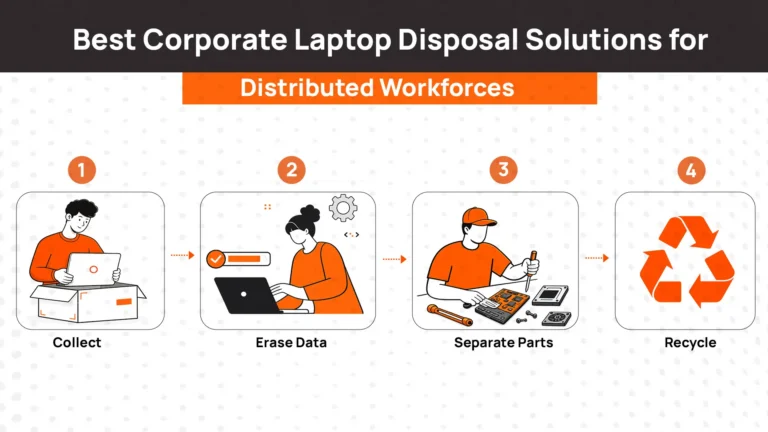
For the technical details of secure media sanitization at end of life — including NIST 800-88 procedures relevant to FERPA-compliant data handling — see our data destruction and device disposal guide rather than treating those procedures as part of the procurement checklist.
Related Reads
Each stage of the education procurement lifecycle connects to a deeper operational guide:
- HIPAA Laptop Procurement for Healthcare Teams — the healthcare equivalent in this compliance series.
- Financial Services Laptop Procurement: GLBA, PCI DSS and SOX — the financial services equivalent in this compliance series.
- Zero-Touch Deployment Readiness: A Checklist Before You Buy — the MDM enrollment and pre-shipment configuration process for distributed deployments.
- Laptop Redeployment: How to Reuse Devices Instead of Rebuying — extending hardware value across cohorts rather than defaulting to replacement.
- Best Data Destruction and Device Disposal Tools — the NIST 800-88 sanitization workflows that apply at end of life.
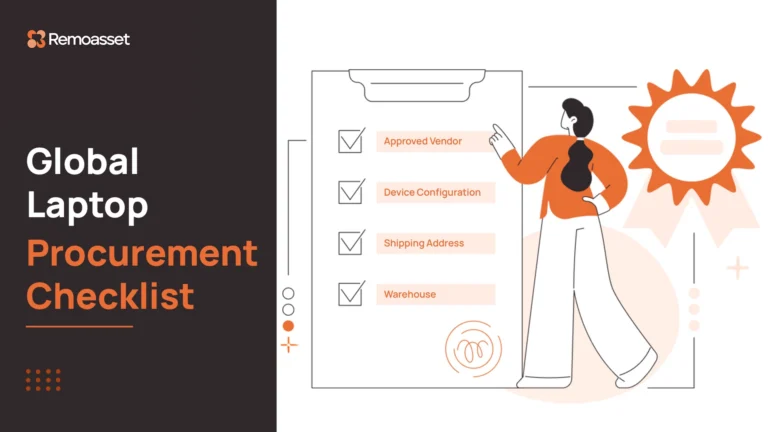
Education IT Procurement Checklist for Distributed Institutions
Before approving the next laptop purchase cycle, education IT teams should verify that the operational process is ready and not just the budget.
Device standardization
☐ Approved laptop models defined by role or department
☐ Supported operating systems documented
☐ Accessory standards established where required
☐ Warranty expectations aligned across campuses
Enrollment readiness
☐ Apple School Manager configured for eligible Apple deployments
☐ MDM platform prepared before devices are ordered
☐ Enrollment workflow verified through approved suppliers
☐ Security and configuration policies ready before shipping
Privacy and compliance
☐ FERPA access principles reflected in device access policies
☐ Content filtering configured appropriately where CIPA applies
☐ Student and faculty accounts separated correctly
☐ Shared-device scenarios documented where applicable
Asset management
☐ Serial numbers captured at procurement and entered into centralized asset tracking
☐ User assignment recorded immediately
☐ Campus ownership clearly documented
☐ Warranty and lifecycle status visible centrally
Lifecycle planning
☐ Refresh cycle documented
☐ Retrieval process defined for graduating students or departing faculty
☐ Redeployment workflow established
☐ Secure disposal procedures documented before devices reach end of life
Building Education Procurement Around the Entire Device Lifecycle
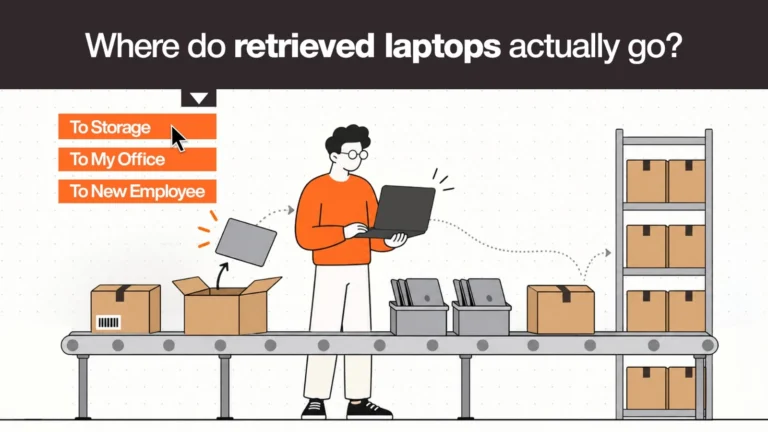
The biggest challenge facing education institutions is rarely finding laptops to purchase. It is coordinating everything that happens around them. A university may procure devices centrally while students receive them in different cities. Faculty may work remotely while support remains campus-based. Research teams may require specialized hardware across international locations. At semester end, hundreds of devices may need to be recovered, wiped, stored, and reassigned before the next intake begins.
The institutions that manage this well usually make one important shift: they stop treating procurement as the moment a laptop is purchased and start treating it as the first stage of an ongoing lifecycle. Remoasset supports this operational model by helping educational institutions source laptops locally across multiple countries, deliver pre-configured devices directly to students and faculty, maintain centralized asset visibility, coordinate retrieval at the end of an assignment or academic cycle, and prepare eligible devices for future redeployment — under one standardized process regardless of where the next student or faculty member happens to be located.
For distributed universities and hybrid learning programs, that consistency often becomes more valuable than managing procurement independently at every location. Book a demo to see how pre-configured, locally delivered devices can be managed across campuses under one standardized lifecycle process.
Disclaimer: This article provides operational guidance for education IT procurement and device lifecycle management. It is not legal advice. FERPA, CIPA, state privacy laws, and institutional compliance obligations should always be reviewed with qualified legal and compliance professionals.
Frequently Asked Questions
What is FERPA and how does it apply to student devices?
FERPA protects the privacy of student education records held by educational institutions that receive federal funding. For devices, this means institutions need reasonable controls to ensure education records are only accessible to individuals with a legitimate educational interest. FERPA does not prescribe specific laptop configurations, but it does require institutions to protect student information throughout the device lifecycle — including during deployment, active use, and eventual disposal.
How often should schools or universities refresh laptops?
There is no universal requirement. Industry discussions around K-12 device lifecycle management commonly reference refresh cycles of three to four years, depending on device condition, warranty status, performance needs, and redeployment opportunities. Universities often evaluate refresh on a more individualized basis per faculty or department rather than through a single fleet-wide cycle. Planning the refresh cycle at procurement time — rather than when devices start failing — reduces budget pressure and operational disruption.
What’s the difference between managing devices for K-12 vs higher education?
K-12 typically runs cohort-based programs where devices are distributed and collected in bulk at defined calendar points, often with shared-device scenarios and annual refresh cycles. Higher education more closely resembles distributed workforce IT — individual device assignments, direct delivery to varied locations, and more individualized retrieval when students graduate or faculty depart. Both require pre-configured enrollment and documented asset management, but the scale, cadence, and delivery model are quite different.
How do you manage device procurement across multiple campus locations?
The strongest model is centralized governance with decentralized execution: one procurement policy, approved device catalog, and configuration standard, with sourcing and delivery occurring directly at the point of need. That means devices arrive pre-enrolled and pre-configured for the user’s location rather than requiring a campus IT visit for setup. Maintaining a centralized asset record from the moment of purchase — not just after deployment — is what keeps inventory accurate across locations.