Remote work, frequent refresh cycles, and rising regulatory scrutiny make one question especially urgent: Is IT asset disposal (ITAD) optional or essential? In 2025, the answer is clear and skipping it invites needless risk across security, compliance, financial, and environmental dimensions.
In this article, we explore what IT asset disposal means, why it’s non-negotiable today, and how companies can implement best-in-class disposal programs. We’ll also show how Remo Asset fits into that process as your strategic partner.
What Is IT Asset Disposal (ITAD)?
Definition & Scope
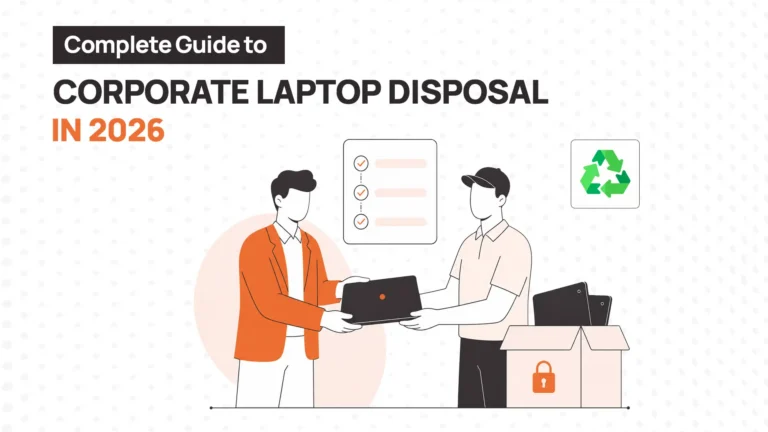
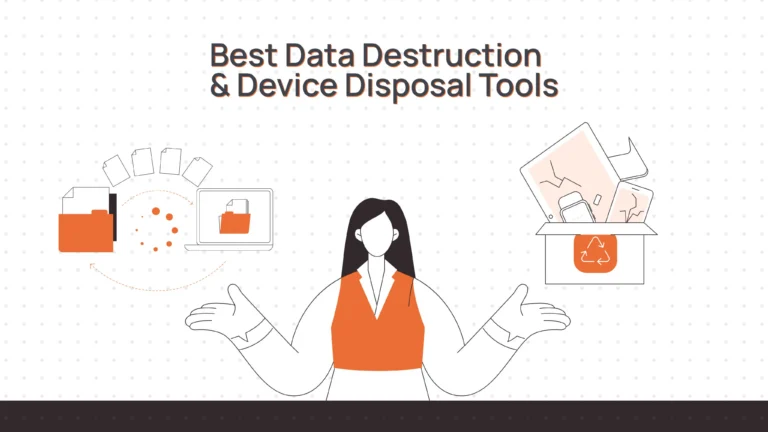
IT asset disposal, often called ITAD (IT asset disposition), covers the processes for retiring, wiping, recycling, reselling, or otherwise disposing of hardware and devices once they’ve served their use. This includes:
- Laptops, desktops, servers
- Storage devices, SSDs, hard drives
- Mobile devices, printers, peripherals
- Cables, batteries, and electronic accessories
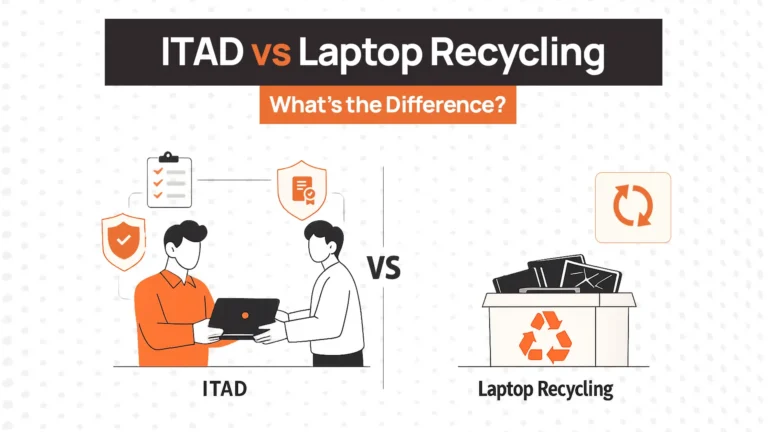
Disposal vs Recycling vs Destruction
- Disposal is the broad act of removing an asset from use.
- Recycling is processing materials for reuse (e.g., metals, plastics).
- Destruction is the secure elimination of data (physical shredding, degaussing, certified wiping).
Effective ITAD ensures not just that hardware leaves your company but that data never leaves with it.
Why ITAD Can’t Be Optional
Data Security Risks
A single misplaced laptop can trigger multi-million-dollar breaches. A lost or inadequately wiped device may still harbor sensitive data and recent commentary warns: a simple system reset may not be safe enough and could lead to lawsuits.
Compliance & Legal Exposure
Many jurisdictions regulate electronic waste and data privacy. In the EU, the WEEE Directive mandates e-waste recycling and recovery quotas.
Data protection laws (GDPR, HIPAA) require proof that sensitive data was destroyed before disposal.
Environmental & ESG Impact
Improper disposal contributes to e-waste, which contains hazardous materials like lead, mercury, and lithium.
Companies increasingly face shareholder and stakeholder pressure to operate sustainably. ITAD is a direct ESG lever.
Financial Losses
Unused, undepreciated devices sitting in storerooms lose value. Worse, you may incur regulatory fines, breach costs, or data remediation costs.
Risks of Neglecting IT Asset Disposal
Real-world Breach Incidents
Multiple analyses show that e-waste is a backdoor in many data breaches. Also, reports warn that flawed or insufficient disposal methods (mere deletion or formatting) open liabilities.
Regulatory Penalties & Reputation Damage
Failure to comply with environmental or data laws can result in fines and audits. Public data loss can damage brand trust and lead to long-term customer attrition.
Hidden Costs & Liability
Disposal delays create storage burdens, tracking nightmares, and internal inefficiency. Resources get wasted managing old assets instead of focusing on new initiatives.
Benefits of Proper IT Asset Disposal
- Stronger security & compliance: Data is properly wiped or destroyed, with documentation for audits.
- Sustainable responsibility: Devices are recycled or refurbished, reducing e-waste.
- Value recovery: Some devices or parts can be resold or repurposed, offsetting costs.
- Audit simplicity: A clear disposal trail eases compliance checks.
- Brand trust & ESG credibility: Demonstrates environmental care and governance.
IT Asset Disposal Best Practices (2025)
1. Inventory & Tracking
Maintain an accurate register or automated process of every device and its retirement date.
2. Certified Data Wiping & Destruction
Use recognized, audited methods (software overwrite, degaussing, hardware shredding). Mere formatting is inadequate.
3. Secure Logistics & Chain of Custody
Track devices from pickup to final processing. Lockboxes, GPS tracking, vetted couriers. Remoasset can help for end-to-end device lifecycle management.
4. Partner with Certified ITAD Vendors
Choose vendors with certifications (R2v3, NAID, ISO) and transparent reporting.
5. Resale & Recycling Strategy
Refurbish high-value devices; responsibly recycle unrecoverable components.
6. Transparent Reporting & Audit Trails
Generate disposal certificates and logs to satisfy legal, compliance, and stakeholder needs.
Is IT Asset Disposal Optional for SMEs & Startups?
Many smaller organizations dismiss ITAD as a last-mile problem. That’s a dangerous assumption.
- Regulations apply the same.
- A data breach or e-waste fine doesn’t scale down just because you’re small.
- As you scale remotely, device count multiplies and the burden of neglected disposal compounds quickly.
Even at 50 or 100 devices, liability is real. Starting disposal discipline early prevents chaos later.
How Remo Asset Simplifies IT Disposal
In most companies, IT asset disposal is an afterthought, a chaotic, end-of-year activity driven by storage overflow or audits. Remo Asset changes that by making disposal a built-in, trackable, and compliant part of the asset lifecycle.
Here’s how Remo Asset simplifies, secures, and strengthens the process end to end:
1. End-to-End Disposal Pipeline
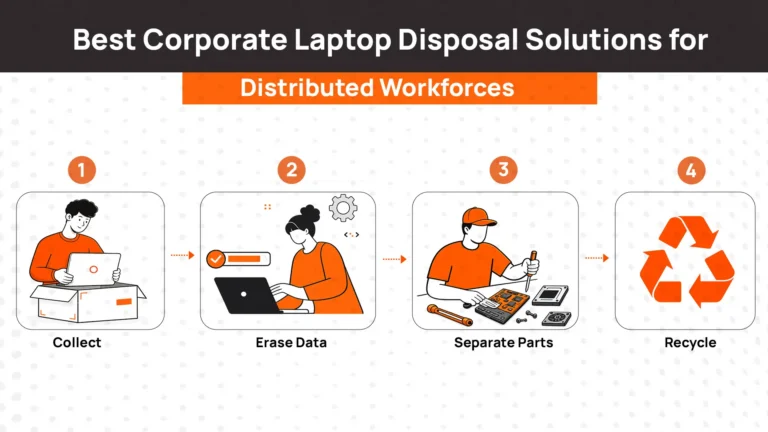
Remo Asset handles the full disposal process, from collection to certified destruction under one platform.
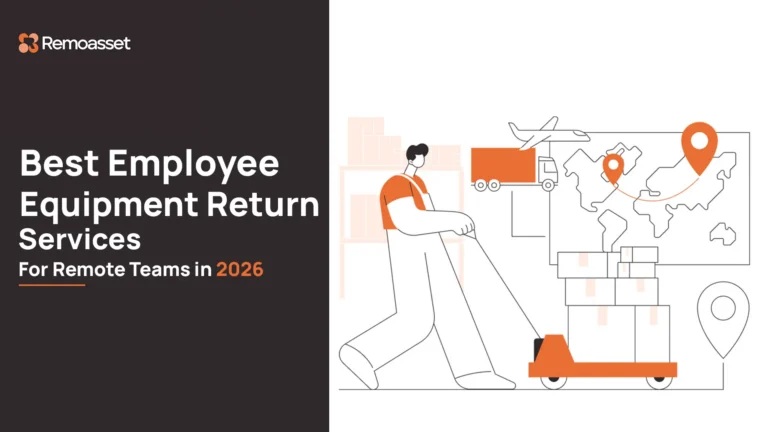
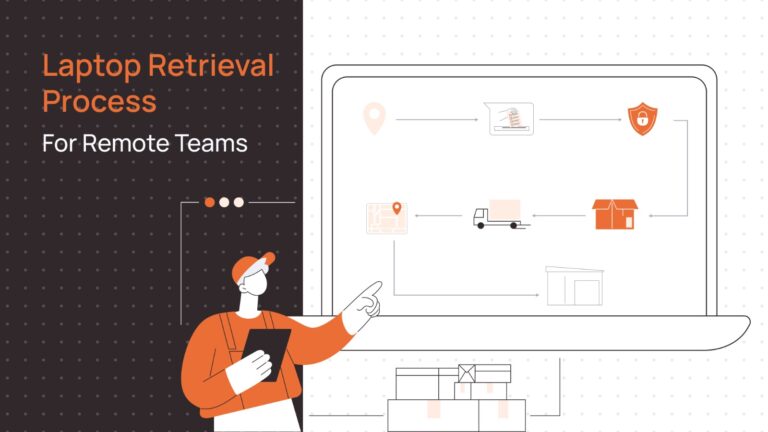
- Secure retrieval: Devices are collected directly from offices, warehouses, or employees, sealed, and logged into the system.
- Data sanitization: Each device goes through certified wiping (meeting DoD 5220.22-M and NIST 800-88 standards).
- Recycling or resale: Based on device condition, Remo routes them for environmentally compliant recycling or value recovery.
- Audit documentation: Every step generates digital proof — from pickup receipts to data destruction certificates — giving you traceability and peace of mind.
Why it matters: You eliminate fragmented vendor management and get a single, verified disposal trail for every asset.
2. Seamless Integration with Leasing & Monitoring
Unlike standalone ITAD vendors, Remo Asset integrates disposal right into its asset leasing and monitoring ecosystem.
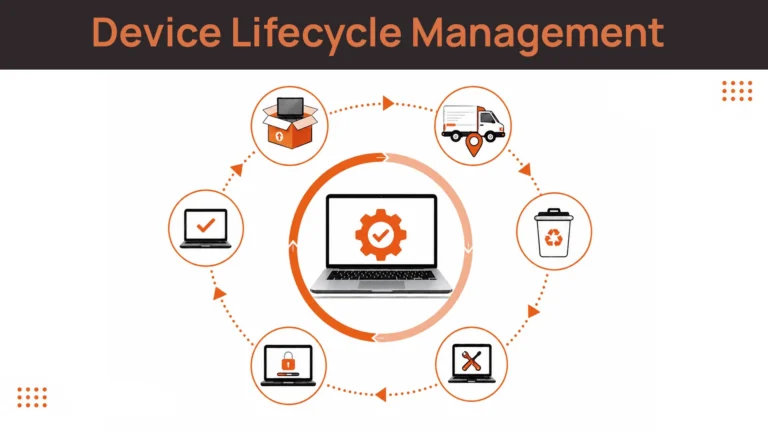
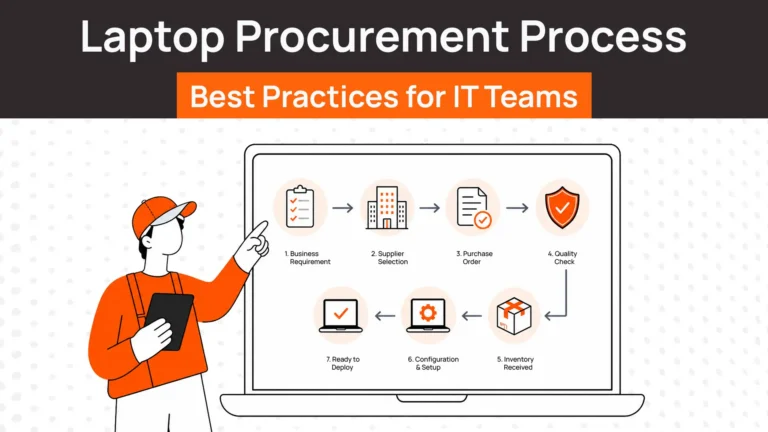
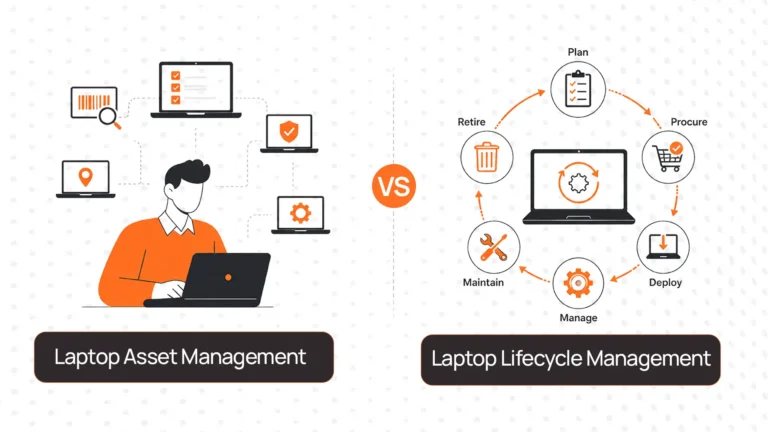
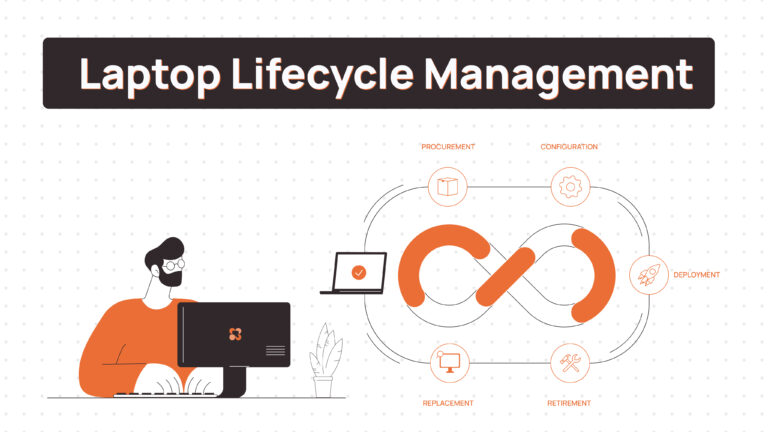
- Each device’s lifecycle, from procurement to end-of-life is tracked in one dashboard.
- Automated triggers notify admins when a device approaches retirement or replacement.
- This ensures no old or non-compliant asset remains active without oversight.
Why it matters: Disposal is no longer a reactive task. It becomes predictive, automated, and auditable.
3. Certified Data Wiping & Destruction
Remo Asset uses industry-recognized data sanitization protocols including:
- NIST 800-88 compliant overwriting
- DoD 5220.22-M multi-pass erasure
- Cryptographic wipe for SSDs
- Physical shredding or degaussing for damaged drives
Post-process verification ensures that data is irrecoverable, with destruction certificates available instantly.
Why it matters: In an era of GDPR and ISO 27001 audits, proof of data destruction is as crucial as the act itself.
4. Chain-of-Custody Transparency
Every asset is tracked across its disposal journey with GPS-enabled logistics, tamper-proof packaging, and timestamped records. Admins can view:
- Pickup confirmation
- Transfer checkpoints
- Processing facility logs
- Final destruction proof
This digital chain of custody eliminates blind spots, a major reason why most companies fail audits or face data leakage risks.
5. Sustainability at the Core
E-waste is one of the fastest-growing global pollutants, and companies are increasingly held accountable for their disposal practices. Remo Asset’s ITAD process aligns with ESG reporting and global e-waste standards (WEEE, RoHS, and R2v3).
- Devices suitable for reuse are refurbished and donated or resold.
- Unusable components are dismantled and recycled through certified facilities.
- All materials are processed for minimal landfill impact.
Why it matters: Every disposal is an ESG contribution, quantifiable through Remo’s sustainability reports that help your business meet its CSR and compliance targets.
6. Secure, Documented, and Audit-Ready
Each disposal action generates a digital audit trail accessible anytime. From policy compliance (GDPR, HIPAA, SOX) to environmental reporting, Remo ensures you have:
- Data Destruction Certificates
- Environmental Recycling Reports
- Chain-of-Custody Logs
- Device Value Recovery Summaries
In one click, you can produce verified records for auditors, clients, or internal governance teams building credibility and trust.
In short: disposal becomes a safe, transparent, managed service with Remoasset. You don’t just dispose of devices. You close the lifecycle loop securely, transparently, and sustainably.
Conclusion
IT asset disposal is no longer optional. In 2025, it’s fundamental to secure operations, compliance, and corporate responsibility. Skipping or delaying disposal is a risk that grows exponentially as devices scale and regulations tighten.
With proper practices like inventory, certified wiping, chain-of-custody, recycling, disposal becomes not a liability but a safeguard. And when disposal is baked into your hardware lifecycle, it’s no longer a headache but an advantage.
If you’re ready to remove disposal from your worry list, talk to Remo Asset. Let us manage the full, compliant, audit-ready disposal pipeline for your hardware.
FAQs
What is IT asset disposal?
It’s the process of retiring, wiping, recycling, or destroying data-bearing hardware in a secure, compliant way.
Is IT disposal mandatory for companies?
In many regions, yes. Laws like WEEE in the EU require responsible e-waste treatment; data protection laws demand secure data destruction before disposal.
What happens if IT assets are not properly disposed of?
Risks include data breaches, regulatory fines, environmental damage, audit failures, and reputational loss.
How do companies dispose of laptops securely?
Via certified wiping, degaussing, physical destruction, vetted chain-of-custody, and audit logs.
Can IT asset disposal save costs?
Yes: refurbished units can be resold; proper strategy avoids fines or data recovery costs.